
 Plan Your Trip Now

In This Guide
Most Himalayan treks begin high and stay high. The Makalu Base Camp Trek does something different. It begins in a warm river valley, almost at the edge of the Indian plain, and climbs for more than two weeks, through terraced villages, rhododendron forest and the wild Barun Valley, to a glacial amphitheatre at the foot of Mount Makalu (8,463 m), the fifth-highest mountain on Earth.
Few trekkers walk it, and those who do remember it for one reason: it feels like crossing an entire continent of landscapes on a single trail. This guide explains how the journey unfolds, what makes it special, how hard it really is, and how to plan it.
Makalu Base Camp Trek at a Glance
| Detail | Information |
|---|---|
| Duration | About 19 days from Kathmandu (about 14 days of trekking) |
| Highest point | Makalu Base Camp, about 4,870 m (Shipton La is about 4,200 m) |
| Difficulty | Challenging |
| Region | Makalu Barun National Park, Sankhuwasabha district, eastern Nepal |
| Start and end | Flight Kathmandu–Tumlingtar, then a drive to Num |
| Accommodation | Mix of simple lodges and camping |
| Permits | Makalu Barun National Park permit, local entry permit (and TIMS where required) |
| Best seasons | March–May and October–November |
| Crowds | Very few trekkers compared with Everest or Annapurna |
Why Makalu Is Called the “Black Giant”
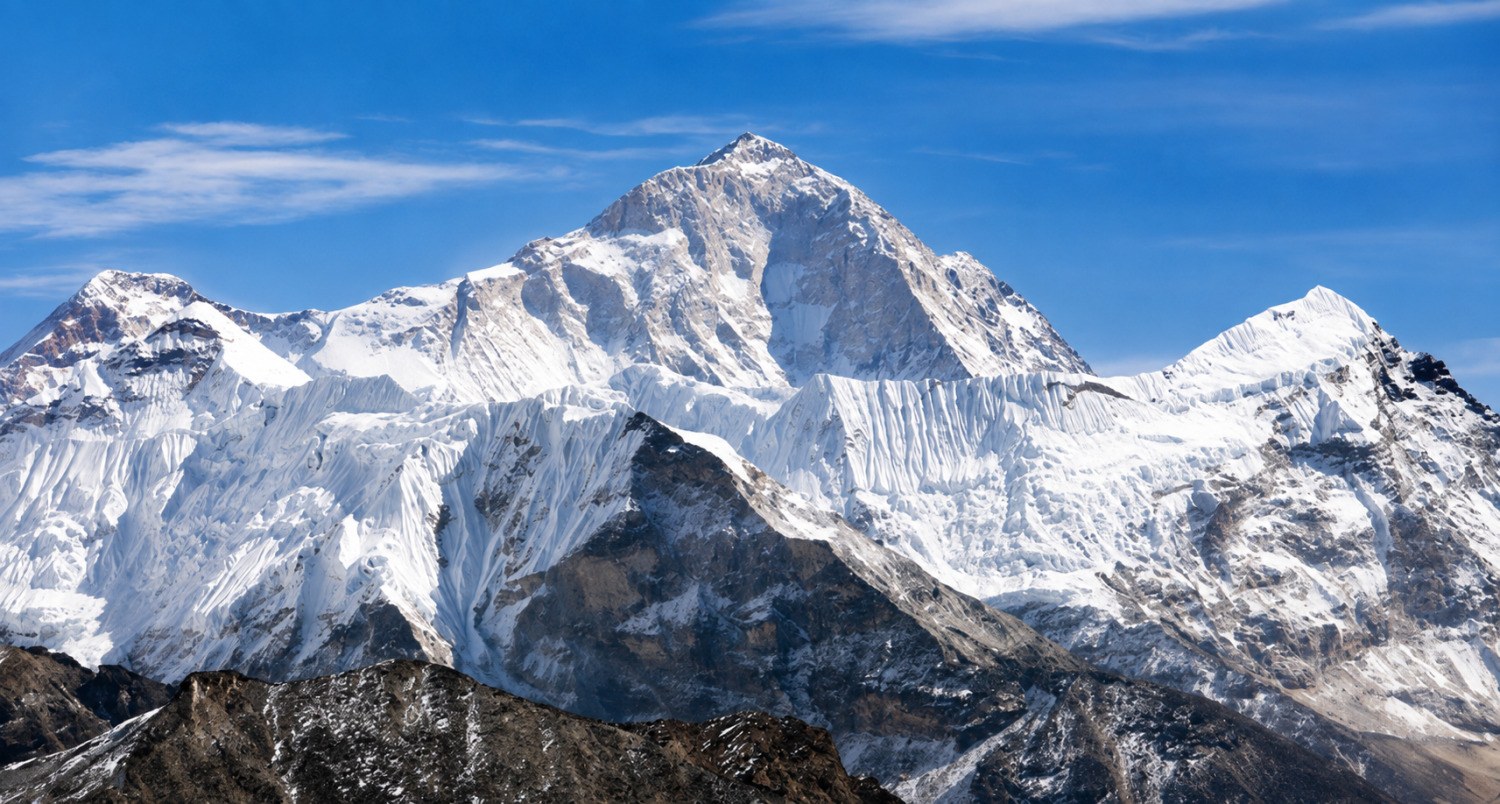
Makalu’s name is often linked to the Sanskrit “Maha Kala,” meaning “Great Black.” Its steep, four-sided pyramid of dark rock rises behind the Barun Valley, and its sheer faces often shed their snow, which gives it its nickname, the Black Giant. It was first climbed in 1955 by a French expedition, and it remains one of the most demanding 8,000 m peaks.
Trekkers do not need to climb it. The base camp trek takes you to the amphitheatre beneath its south-east ridge, with the Barun Glacier below and Chamlang, Baruntse and, from higher viewpoints, Everest and Lhotse in view.
What Makes This Trek Unique: Five Landscapes on One Trail
Makalu Barun National Park was established in 1992, and its altitude range, from subtropical forest at around 400 m to the summit of Makalu at 8,463 m, is one of the steepest on Earth. You walk through that gradient in just two weeks.
| Zone | Approximate altitude | What you will see |
|---|---|---|
| Subtropical river valley | 450–1,500 m | Warm air, millet and rice terraces, Arun River gorge, Tumlingtar and Num |
| Terraced hill villages | 1,500–2,200 m | Seduwa, Tashigaon, Rai and Sherpa homes, cardamom and corn fields |
| Rhododendron and broadleaf forest | 2,200–3,600 m | Moss-covered trees, waterfalls, blooming rhododendrons in spring, Khongma Danda |
| Alpine crossing | 3,600–4,200 m | Shipton La, prayer flags, first views of the high peaks, Dobate |
| Barun Valley high mountains | 3,500–4,870 m | Glacial rivers, yak pastures, Langmale Kharka, Shersong, and Makalu Base Camp |
Wildlife in the park includes red pandas, snow leopards, Himalayan black bears and hundreds of bird species, though you are more likely to see birds and langurs than the cats.
Makalu Base Camp Trek Itinerary: A Typical 19-Day Plan
Day 1: Arrive in Kathmandu (1,300 m). Meet your guide and transfer to your hotel.
Day 2: Preparation day. Gear check, trek briefing and permit paperwork.
Day 3: Fly to Tumlingtar (about 460 m), drive to Num (about 1,490 m). A 50-minute flight east, then a bumpy 4–5 hour drive into the hills.
Day 4: Trek Num to Seduwa (about 1,500 m), 5–6 hours. A steep descent to the Arun River, then a climb to Seduwa, the entrance to Makalu Barun National Park.
Day 5: Trek to Tashigaon (about 2,100 m), 5–6 hours. The trail climbs through forest and terraced fields to a Sherpa and Rai village with mountain views.
Day 6: Trek to Khongma Danda (about 3,560 m), 6–7 hours. A long, steady climb through rhododendron forest.
Day 7: Acclimatization at Khongma Danda. A short walk to a nearby ridge or lake, and a day to rest.
Day 8: Cross Shipton La (about 4,200 m) to Dobate (about 3,650 m), 6–7 hours. The first major pass, with views of the Barun Valley. The descent leads to Dobate.
Day 9: Trek to Yangle Kharka (about 3,560 m), 5–6 hours. You follow the Barun River upstream through forest and meadow.
Day 10: Trek to Langmale Kharka (about 4,400 m), 4–5 hours. The valley opens, and the high peaks come into view.
Day 11: Trek to Makalu Base Camp (about 4,870 m), 5–6 hours. The day you reach the foot of the Black Giant, passing Shersong on the way.
Day 12: Explore Makalu Base Camp. Time to rest, take photographs, and walk toward Hillary Base Camp for wider views.
Day 13: Return to Yangle Kharka.
Day 14: Trek back over Shipton La toward Khongma Danda.
Day 15: Trek to Tashigaon.
Day 16: Trek to Num.
Day 17: Drive to Tumlingtar and fly to Kathmandu.
Day 18: Spare day in Kathmandu. A buffer for flight delays.
Day 19: Departure.
Itineraries differ by operator and season (some use more camping, some add a spare day on the trail). Ask us for the latest version of our route.
How Difficult Is the Makalu Base Camp Trek?
Challenging. The trail is not technical, but it is demanding because of the combination of factors:
- Long, steep days. Most days are 5–8 hours with big ups and downs.
- Altitude. You sleep above 4,000 m for several nights and reach about 4,870 m.
- Remoteness. Facilities are basic, rescue takes time, and the trail is quiet.
- Shipton La. The pass can hold snow in spring and late autumn.
- Duration. Two-plus weeks of sustained effort is tiring.
It suits fit trekkers with previous multi-day, high-altitude experience. It is not a good first trek. Prepare with 8–12 weeks of cardio, hill walking and loaded day hikes. For a deeper look, read our guides on how difficult the Makalu Base Camp Trek is and tips for first-time trekkers.
Altitude and Acclimatization
The trail climbs gradually in the lower sections, which helps, but the upper Barun Valley has steady altitude gains. Follow the planned rest day at Khongma Danda, walk slowly, drink 3–4 litres of water a day and avoid alcohol. If symptoms such as headache, nausea or dizziness get worse, you must descend. Details are in our posts on the Makalu altitude profile and altitude safety.
Best Time to Trek to Makalu Base Camp
Spring (March–May) brings blooming rhododendrons, warm lower valleys and good views, though the pass can still hold snow early in the season. Autumn (October–November) has the clearest skies and the most stable weather, which is why it is the most popular window.
Winter is cold, and heavy snow can block Shipton La. The monsoon (June–September) is wet, with leeches, slippery trails and landslide risk on the lower roads.
Permits and Rules
You will need:
- A Makalu Barun National Park entry permit
- A local municipality entry permit for the Makalu area
- A TIMS card, where required
- A licensed guide. We strongly recommend one for this remote route.
Team Ram Adventure arranges the permits for you. Fees and rules change, so we confirm the current requirements when you book.
Lodge or Camping?
Makalu is a mix. The lower trail has simple village lodges and teahouses, but the higher Barun Valley section has fewer lodges and may involve tents, depending on the season and your package. Read more in Is the Makalu Base Camp Trek Teahouse or Camping?
What Does It Cost?
The price depends on group size, season, flights and the level of support. The main costs are the Kathmandu–Tumlingtar flights, permits, guide and porter wages, meals, accommodation or camping, and ground transport. Not included in most packages are international flights, Nepal visa, travel insurance, drinks, personal gear and tips. See our Makalu Base Camp Trek cost guide, or contact us for an exact quote.
What to Pack
- Clothing: base layers, fleece, down jacket, waterproof shell, warm hat, gloves, sun hat
- Footwear: broken-in waterproof boots, warm socks, camp shoes
- Sleep: sleeping bag rated to about –10°C or lower
- Gear: daypack, trekking poles, headlamp, sunglasses, water purification, gaiters, and microspikes for snowy conditions (ask your guide)
- Health: sunscreen SPF 50+, lip balm, personal medication, blister care, leech protection in the monsoon months
- Money and documents: passport, insurance, permit photos and enough Nepali rupees (there are no ATMs on the trail)
Makalu vs Everest Base Camp
Everest Base Camp is busy, with many teahouses and a famous trail. Makalu is the opposite: quieter, wilder and more demanding, with fewer facilities and more variety in landscape. If you want comfort, choose Everest. If you want solitude and big diversity, choose Makalu. Many experienced trekkers do both.
Tips From Local Guides
- Keep spare days. Flights to Tumlingtar are weather-dependent, so never book tight onward connections.
- Respect acclimatization. Do not skip the rest day at Khongma Danda.
- Pack light but warm. Porters carry a limited weight, and nights get cold.
- Carry cash and a power bank. There are no ATMs, and charging is limited.
- Choose your season carefully. Spring for flowers, autumn for the clearest views.
- Be flexible. Weather and trail conditions can change your plan.
- Respect local culture. Ask before taking photos, and support local lodges and teahouses.
Extend or Combine Your Trip
- Another remote giant: compare with the Kanchenjunga Base Camp Trek.
- A high-pass challenge: try the Everest Three High Passes Trek.
- Add a climb: consider Mera Peak Climbing.
- A different remote route: see the Dhaulagiri Base Camp Trek.
Why Trek With Team Ram Adventure?
Team Ram Adventure Pvt. Ltd. is a Kathmandu-based trekking company (based in Budhanilakantha) with a Tripadvisor award and more than a decade of operating treks and climbs across Nepal. We offer experienced licensed guides, careful acclimatization planning, flexible private and group departures, and 24/7 support. Our team can help you choose the right season, the right route and the right pace for a remote trek like Makalu.
Ready to Walk From Jungle to the Black Giant?
Nineteen days, five landscapes and one of the least-crowded base camps on Earth.
👉 View the Makalu Base Camp Trek itinerary and book
👉 Plan your custom trip or contact us
👉 WhatsApp or call Ram Giri: +977 9851125603 | Email: info@teamramadventure.com
Top 10 FAQs: Makalu Base Camp Trek
1. How many days does the Makalu Base Camp Trek take?
A typical itinerary takes about 19 days from Kathmandu to Kathmandu, including a preparation day, flights to and from Tumlingtar, a spare day for weather, and around 14 days of trekking. Some operators run shorter 13–15 day versions, and others add camping or extra acclimatization days. A longer plan gives you more safety margin for altitude and flight delays.
2. How difficult is the Makalu Base Camp Trek?
Challenging. The trail is not technical and needs no climbing skills, but it has long, steep days, remote terrain, basic facilities, a high pass (Shipton La) and several nights above 4,000 m. It is best for fit trekkers with previous high-altitude or multi-day trekking experience, and we do not recommend it as a first trek. See our difficulty guide.
3. How high is Makalu Base Camp, and what is the highest point?
Makalu Base Camp is at about 4,870 m, though some sources list it up to 5,000 m depending on the exact camp location. Shipton La, the main pass, is about 4,200 m (published heights range from about 4,127 m to 4,257 m). Mount Makalu itself is 8,463 m, the fifth-highest mountain in the world.
4. When is the best time to do the Makalu Base Camp Trek?
March to May and October to November. Autumn has the clearest skies and most stable weather. Spring brings blooming rhododendrons and warm lower valleys. Winter can close Shipton La with snow, and the monsoon (June–September) brings rain, leeches and landslides, so both are not recommended.
5. What permits do I need for Makalu Base Camp?
You need a Makalu Barun National Park entry permit and a local municipality entry permit, and a TIMS card where required. You also need a licensed guide for this remote route. We arrange all permits in Kathmandu. Fees change, so we confirm the current requirements when you book.
6. What are the accommodation and food like on the trek?
Accommodation is a mix of simple village lodges and, in the higher Barun Valley, basic lodges or camping depending on the season and package. Rooms are unheated and facilities are limited. Meals are usually dal bhat, noodles, soup, pasta, eggs and porridge, with shorter menus at higher altitude. Charging devices and hot showers are limited. See our post on teahouse vs camping.
7. How much does the Makalu Base Camp Trek cost?
The price depends on group size, season, flights and support level. Costs include flights to and from Tumlingtar, permits, guide and porter wages, meals, accommodation or camping, and ground transport. International flights, visa, insurance, drinks, personal gear and tips are usually extra. Read our cost guide or contact us for an exact quote.
8. Can I trek to Makalu Base Camp without a guide?
We strongly recommend a licensed guide. The trail is remote, sections are poorly marked, facilities are sparse, and rescue is difficult. A guide also manages permits, logistics and acclimatization, and supports you in an emergency. A porter makes the trek far more enjoyable. Solo travelers can join a group or book a private trek.
9. How do I prevent altitude sickness on the Makalu Base Camp Trek?
Follow the itinerary, including the rest day at Khongma Danda, and walk slowly. Drink 3–4 litres of water a day, eat well and avoid alcohol. Learn the early signs: headache, nausea, dizziness and poor sleep. If symptoms worsen, you must descend. Our guides check your health daily. Some trekkers take Diamox, but speak with your doctor first. See our altitude guide.
10. Do I need travel insurance, and what if my flight to Tumlingtar is delayed?
Yes, you need travel insurance that covers trekking to at least 5,500 m, emergency helicopter evacuation and trip delay. Flights to Tumlingtar are weather-dependent, so delays happen. Keep one or two spare days at the end of the trip and do not book a tight international connection. If you are delayed, our team will rebook your flights or arrange alternatives.
Ready to trek in the Himalayas?
Get itinerary guidance and local support from the Team Ram Adventure specialists.