 Plan Your Trip Now

In This Guide
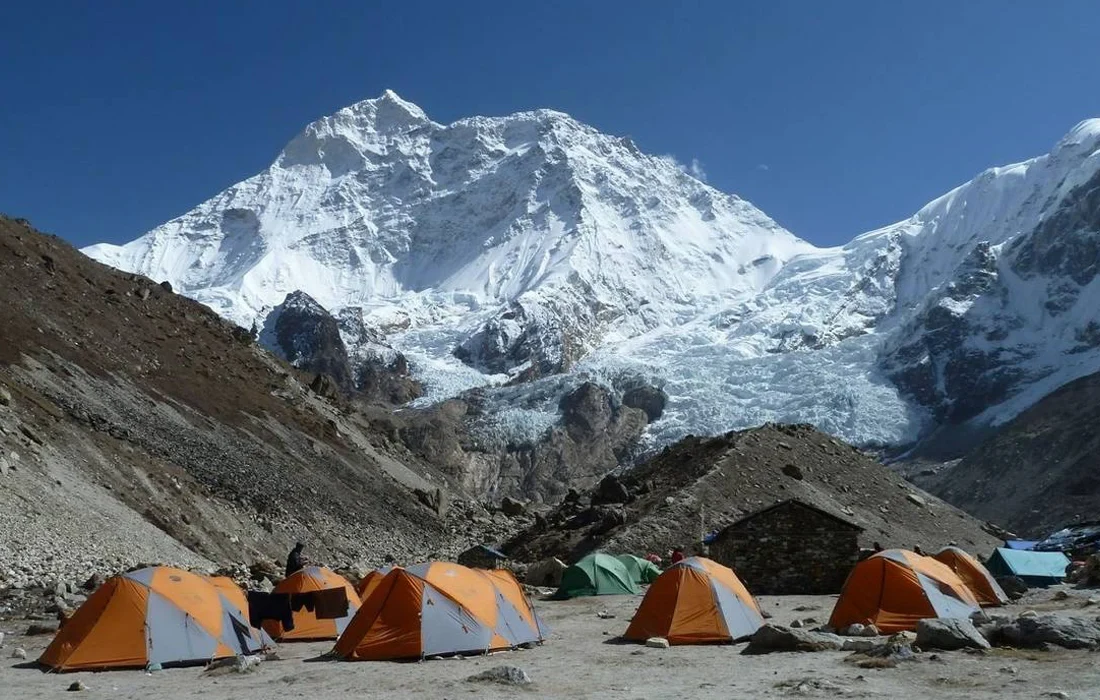
Short answer: The Makalu Base Camp Trek is a mix of teahouse (lodge) and camping. Unlike the Everest or Annapurna regions, Makalu is a remote, wilderness trek in eastern Nepal where lodges are few, small and basic, so most well-run treks use a semi-lodge, semi-camping style: you sleep in a simple lodge where one is available and in a tent when it isn't.
That is exactly how Team Ram Adventure's 13-day Makalu Base Camp Trek is arranged. The trip is listed as Tea House/Camping, and the cost includes "semi lodge / camping arrangements," with lodges provided wherever possible and a tented camp when they are not.
If you are deciding whether to book, this guide explains where you will sleep, what each option feels like at altitude, which one suits you, and how to prepare.
Quick Facts: Makalu Base Camp Trek at a Glance
| Detail | Info |
|---|---|
| Mountain | Mt. Makalu, 8,463 m, 5th highest in the world |
| Base Camp altitude | 4,870 m |
| Trek length | 13 days (about 20 days with Kathmandu nights and return) |
| Accommodation | Teahouse/lodge and camping |
| Difficulty | Moderate to demanding (remote, long days, 3 passes) |
| Best seasons | Feb to May and Sep to Dec |
| High passes | Shipton La (4,170 m), Keke La (4,125 m) |
| Group size | 2 to 12 trekkers |
| Price (at time of writing) | US$2,999 per person (listed down from US$3,199) |
Why Makalu Isn't a "Standard Teahouse Trek"
On the Everest Base Camp trail, you can walk from one big lodge village to the next with a hot shower and a menu with 60 items. Makalu is different.
- It sits inside Makalu Barun National Park. Villages are small and spread out, and the upper trail passes only a handful of seasonal huts and yak-herder houses.
- The trail climbs through forest and passes. From Num (1,560 m) you descend to the Arun River, climb to Seduwa, push on to Tashigaon and Khongma, then cross three passes before dropping to the Barun valley.
- Lodge capacity is limited. A few guesthouses cannot absorb a full group, so a camping crew gives you a guaranteed bed every night.
That is why professional operators keep the trek flexible. Lodges where they exist, tents where they don't, and a kitchen team to make sure you are fed either way.
Where You Sleep, Stop by Stop
Based on the Team Ram Adventure itinerary, this is how accommodation works along the route:
| Stop | Altitude | What's there |
|---|---|---|
| Num | 1,560 m | Overnight at tent or guesthouse |
| Seduwa | 1,500 m | Small Rai and Sherpa village; Makalu Barun National Park permit registration |
| Tashigaon | 2,100 m | Three guesthouses and good camping spots; the last village on the trek |
| Khongma | 3,500 m | Camp or basic lodge; a key acclimatization stop |
| Dobato | 3,862 m | A few teahouses and a small camping area among rhododendron and pine |
| Yangle Kharka | 3,540 m | A few guesthouses across the log bridge, plus nice camping spots |
| Langmale | 4,410 m | Camp on the yak pasture |
| Makalu Base Camp | 4,870 m | Teahouses at base camp; camping also possible |
The pattern is clear: lower down you are mostly in villages with lodges, and higher up you rely more on camps and simple huts.
Teahouse vs Camping on the Makalu Trek: Side by Side
| Teahouse / Lodge | Camping | |
|---|---|---|
| Bed | Twin room with basic mattress; bring your own sleeping bag | Two-person tent with sleeping mat |
| Food | Cooked in the lodge kitchen | Cooked by trek kitchen crew; dining tent |
| Warmth | Dining room may have a stove; rooms are unheated | Cold at night; relies on your sleeping bag |
| Toilets | Basic, shared | Toilet tent or basic facilities |
| Charging / Wi-Fi | Limited and unreliable at this remoteness | Usually none; bring a power bank |
| Privacy and quiet | Thin walls | Quieter, more wilderness feel |
| Flexibility | Dependent on rooms being free | You can stop where you need to |
| Best for | Villages and lower stages | High, remote stages |
Neither is "better." The right mix is what keeps the trek safe and comfortable.
Pros and Cons of Teahouse Nights
Pros
- Real shelter and a warm dining room in the evening
- Chance to meet Rai and Sherpa families and eat local food
- Your money goes straight into mountain communities
- A bed in bad weather without waiting for a tent to be pitched
Cons
- Very basic: simple rooms, shared toilets, few hot showers
- Limited rooms, so no guarantee in peak season without a pre-arranged crew
- Slow service when many groups arrive at once
Pros and Cons of Camping Nights
Pros
- A guaranteed place to sleep, even where no lodge exists
- Flexibility to stop at the best spot for acclimatization
- Hot meals prepared fresh by the kitchen team
- A genuine wilderness experience, with stars you won't see in a village
Cons
- Colder, especially from Khongma upward
- More gear to manage, so you rely on your porters and crew
- Condensation and damp tents in wet months
So Which Is Right for You?
Choose the mixed teahouse and camping style (the standard) if you want the full Makalu experience and reliable logistics. This is the option most trekkers should pick.
Look for more lodge nights if you are a first-time Himalayan trekker who worries about cold nights. Be aware that comfort in this region is always basic, and you should still book with an operator that carries tents as a backup.
Choose more camping if you want solitude, flexible days and a real expedition feel.
Note that the Team Ram Adventure page describes this trek as suited to experienced trekkers or anyone who can comfortably walk 6 to 7 hours a day, with a guide, porters and a kitchen helper included.
What the Trek Package Covers
On the Makalu Base Camp Trek, the listed inclusions are:
- 3 nights in a tourist-standard Kathmandu hotel with breakfast
- An experienced English-speaking guide and the required helpers and porters
- Semi-lodge and camping arrangements
- Locally available meals (breakfast, lunch and dinner) during the trek
- All internal flights (Kathmandu to Tumlingtar and back)
- Trek logistics, including permits and transport
Not included: lunch and dinner in Kathmandu, personal expenses, travel insurance (make sure it covers emergency evacuation and medical costs) and staff tips.
Team Ram Adventure also buys local food along the way to support village income, and carries some food provisions that cannot be bought on the trail.
The Best Time for a Makalu Trek, and What It Means for Sleeping Arrangements
- March to May: Rhododendron forests bloom around Dobato and the valley is spectacular in March and April. Nights are cold higher up but days are clear and stable.
- September to December: Post-monsoon skies are clean. Note that in early October the road from Tumlingtar to Num may be impassable, so allow an extra day or two on the way in.
- Winter and monsoon: Possible but not recommended, with snow on the passes, closed teahouses and muddy, slippery trails.
Packing for Both Teahouse and Camping Nights
Your sleeping setup matters more here than on most Nepal treks. Based on the Team Ram Adventure equipment list and standard practice:
- A four-season down sleeping bag (comfort-rated for freezing nights; the page recommends a bag rated to 0°C or below)
- Warm layers: thermal tops and bottoms, fleece, down jacket, waterproof shell
- Waterproof boots with spare laces, plus camp shoes
- Headlamp with spare batteries
- A power bank (charging points are scarce)
- Gaiters for snow or mud on the passes
- Wet wipes, hand sanitiser and biodegradable toiletries
- Earplugs for lodge nights
Anything you forget can be bought or rented in Thamel, Kathmandu.
Top Tips to Sleep Better and Stay Safe
- Build in acclimatization. The itinerary offers a spare night at Khongma (3,500 m). Take it if you feel any symptoms.
- Sleep low, hike high. Short day walks above camp help your body adjust.
- Drink plenty of water and avoid alcohol at altitude.
- Warm your bag. A bottle of hot water in your sleeping bag works wonders on cold nights.
- Take your time. Long days of 4 to 6 hours with passes mean you should pace yourself.
- Carry full insurance that covers helicopter evacuation.
- Respect the landslide section after Yangle Kharka, where falling rocks are a risk.
Related FAQs About the Makalu Base Camp Trek (Detailed)
1. Is the Makalu Base Camp Trek teahouse or camping?
It is both. The trek passes through a remote national park where lodges are limited, so the standard arrangement is semi-lodge and camping: lodges where available, tents where not. Team Ram Adventure lists the trip type as Tea House/Camping and states that lodges are used wherever possible, with a tented camp otherwise. This keeps you comfortable and guarantees a bed every night.
2. Are there teahouses all the way to Makalu Base Camp?
There are lodges and teahouses at several points, including Tashigaon, Dobato, Yangle Kharka and near Makalu Base Camp, but the choice is small and they are simple. Between these stops, you may need a tent. For that reason, an entirely lodge-based trek is not something to rely on; it is safer to travel with a team that carries camping equipment.
3. How basic are the teahouses on the Makalu trek?
Expect simple twin rooms with thin mattresses, shared squat toilets, a communal dining area and very limited hot water. Charging and Wi-Fi are unreliable in a remote area like this, even though the trip page lists Wi-Fi as available in parts of the route. You will use your own sleeping bag, and rooms are not heated.
4. How cold does it get when camping at Makalu?
Cold. Above Khongma (3,500 m), temperatures fall below freezing at night, and Langmale (4,410 m) and Makalu Base Camp (4,870 m) are the coldest stops. A four-season down sleeping bag, thermal layers and a warm hat are essential. The equipment list on the Team Ram Adventure page recommends a bag rated to 0°C or colder, and many trekkers prefer a lower rating from October to March.
5. Is camping better than teahouses for altitude and acclimatization?
Neither is inherently better for altitude; what matters is your itinerary. Camping lets a team stop at the ideal elevation, while lodges are fixed. The key is a gradual ascent, a spare night at Khongma if you feel unwell, and a "climb high, sleep low" approach. Descend if symptoms of altitude sickness worsen.
6. What is the best time for the Makalu Base Camp Trek?
February to May and September to December. March and April bring blooming rhododendrons, while October and November offer the clearest mountain views. Avoid the monsoon (June to August), when roads from Tumlingtar are often blocked and trails are muddy. In early October, allow extra days in case the jeep road to Num is unusable.
7. How difficult is the Makalu Base Camp Trek?
It is graded moderate but is more demanding than many popular Nepal treks because of its remoteness, steep climbs from the Arun valley, three passes (including Shipton La at 4,170 m and Keke La at 4,125 m) and a landslide-prone section. Expect to walk about 4 to 6 hours daily, with a few 6 to 7 hour days. Prior trekking experience and good fitness make a big difference.
8. What food is available on the trek?
Meals are made from locally available ingredients, usually dal bhat, noodles, soups, eggs, potatoes and rice dishes, with tea and hot drinks. On the Team Ram Adventure trek, breakfast, lunch and dinner are included, and the kitchen helper prepares meals when camping. Some provisions that cannot be purchased en route are carried by the team.
9. Do I need a guide, porters and permits?
Yes, practically speaking. Makalu is remote, the trail is not heavily marked in places, and you register permits at Seduwa in Makalu Barun National Park. A licensed guide and porters make the route safer and let you carry only a light daypack. On Team Ram Adventure's trek, the guide, helpers, porters and permits are all included. Always confirm the current permit rules and fees with your operator, as they can change.
10. How much does the Makalu Base Camp Trek cost, and what is included?
At the time of writing, the Makalu Base Camp Trek with Team Ram Adventure is listed at US$2,999 per person (reduced from US$3,199) for a 13-day trek. It includes Kathmandu hotel nights with breakfast, an experienced guide and helpers, semi-lodge and camping arrangements, trek meals, internal flights and permits. Insurance, tips, personal expenses and Kathmandu lunches and dinners are extra. Prices can change, so check the trip page or send an inquiry for current rates.
Final Thoughts: Teahouse, Camping, or Both?
The Makalu Base Camp Trek is not a simple teahouse trek, and it is not a full expedition either. It sits comfortably in the middle: a semi-lodge, semi-camping journey through one of the wildest corners of the Himalaya, finishing at the foot of the world's fifth-highest mountain.
If you want quiet trails, rhododendron forest, high passes and an unforgettable view of Makalu without the crowds of Everest, this is the trek. Book with a team that handles the logistics so you can focus on the walking.
Ready to plan? See the full itinerary and dates for the Makalu Base Camp Trek, or contact Team Ram Adventure to talk through your options.
Ready to trek in the Himalayas?
Get itinerary guidance and local support from the Team Ram Adventure specialists.