 Plan Your Trip Now
In This Guide
The Manaslu Circuit Trek has earned its reputation as one of Nepal's finest "off-the-beaten-path" adventures — a route that trades Everest-region crowds for a quieter trail along the Budi Gandaki River, Tibetan-influenced villages, and jaw-dropping views of the world's eighth-highest mountain. But behind the remote charm sits a serious physical challenge: crossing Larkya La Pass at roughly 5,160 meters, one of the highest trekking passes in Nepal. Whenever a trek climbs this high this fast, altitude sickness becomes the single biggest factor separating a smooth, memorable crossing from a dangerous one.
If you're considering the Standard Manaslu Circuit Trek, understanding what altitude sickness is, how it develops on this specific route, and how to prevent it isn't optional reading — it's essential trip planning. Here's what every trekker heading toward Larkya La should know.
What Is Altitude Sickness?
Altitude sickness, or Acute Mountain Sickness (AMS), sets in when the body doesn't get enough time to adjust to the thinner air found at higher elevations. As you gain height, atmospheric pressure drops and each breath delivers less oxygen. The body can adapt to this — but only gradually, over days, not hours. Climb faster than your body can acclimatize, and symptoms appear.
Many trekking guides point to 2,500 meters as the altitude where mild symptoms can start, though at that height it's usually nothing more than a headache. On the Manaslu Circuit, the more meaningful risk zone begins above 3,500 meters, right around Sama Gaon, and builds steadily through Samdo, Larkya Phedi, and finally the Larkya La Pass crossing itself — the trek's high point and the day acclimatization planning is built around.
How High Is the Manaslu Circuit Trek?
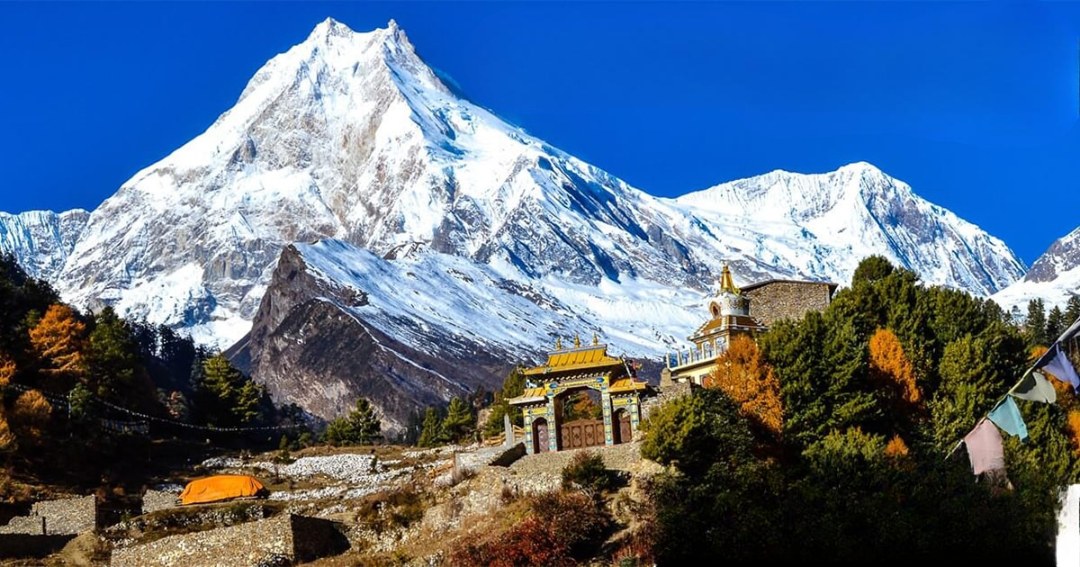
The Manaslu Circuit Trek reaches its highest point at Larkya La Pass, sitting at approximately 5,160 meters (16,929 feet) — one of the highest trekking passes in Nepal and the true test of the entire journey. From here, trekkers are rewarded with sweeping views of Manaslu (8,163m), Himlung Himal, Cheo Himal, and Annapurna II, making every step of the climb worth the effort. The trail builds toward this high point gradually, passing through Sama Gaon (3,500m) and Samdo (3,690m) to allow proper acclimatization before the big push over Larkya La. If you're chasing high-altitude adventure without the crowds of more popular routes, the Standard Manaslu Circuit Trek delivers one of the most thrilling high-pass crossings in the Himalayas.
Common Symptoms to Watch For
Symptoms typically show up within the first 24 hours of reaching a new altitude. Mild AMS is common on this trek and manageable if caught early. Warning signs include:
- Headache, often the earliest and most noticeable symptom
- Loss of appetite or nausea
- Unusual fatigue beyond ordinary trekking tiredness
- Shortness of breath, even while resting
- Dizziness or lightheadedness
- Trouble sleeping at higher camps
- Mild swelling in the hands, feet, or face
The more serious conditions — High Altitude Pulmonary Edema (HAPE) and High Altitude Cerebral Edema (HACE) — are rare but life-threatening. A persistent dry cough, tightness in the chest, confusion, loss of coordination, or breathlessness at rest all call for immediate descent and medical attention.
Why Larkya La Pass Carries Extra Risk
Unlike shorter, lower-altitude treks, the Manaslu Circuit spends several consecutive days above 3,500–4,500 meters before the Larkya La crossing, with limited options to descend quickly on summit day itself — the stretch from Larkya Phedi over the pass to Bimtang is long, remote, and largely without teahouses along the way. This isolation is part of what makes the trek so rewarding, but it also means the days leading up to the pass are exactly when acclimatization discipline matters most.
How to Prevent Altitude Sickness on the Manaslu Circuit
1. Choose an itinerary built around acclimatization
A gradual ascent profile with rest days is the single most effective safeguard. A properly paced route includes a dedicated rest day at Sama Gaon before pushing on toward Samdo and Larkya Phedi, giving the body time to adjust before the highest, most demanding stage of the trek.
2. Follow the "climb high, sleep low" principle
Where the itinerary allows, gaining altitude during the day and dropping slightly to sleep is one of the most reliable ways to reduce AMS risk, and it's part of why rest days at Sama Gaon are structured the way they are.
3. Stay hydrated
Dehydration mimics and intensifies altitude sickness symptoms. Aim for 3–4 liters of water a day once above 3,000 meters.
4. Skip the alcohol and sleeping pills
Both suppress your breathing rate during sleep — risky at altitude. Save any celebration for the drive back to Kathmandu.
5. Walk at your own pace
The Manaslu trail rewards patience. Slow, steady walking gives your body the time it needs to adjust, especially on the long days between Lho, Sama Gaon, and Samdo.
6. Talk to a doctor about Diamox
Some trekkers use Acetazolamide (Diamox) to help speed up acclimatization. It should only be used after consulting a doctor before departure, since it isn't right for everyone.
7. Trek with an experienced, licensed guide
The Manaslu region is a restricted area, and a licensed guide isn't just a legal requirement — they're trained to monitor the group daily for early symptoms, adjust the pace, and know when a rest day or descent is the safer call.
Manaslu Circuit Trek Altitude Profile
| Trekking Location | Approx. Altitude | Approx. Feet | Altitude Significance |
|---|---|---|---|
| Machha Khola | 900 m | 2,953 ft | Trek starting point |
| Jagat | 1,340 m | 4,396 ft | Gradual altitude gain |
| Deng | 1,860 m | 6,102 ft | Mid-altitude section |
| Namrung | 2,630 m | 8,628 ft | Alpine environment begins |
| Lho | 3,180 m | 10,433 ft | High-altitude zone |
| Sama Gaon | 3,530 m | 11,581 ft | Main acclimatization point |
| Samdo | 3,875 m | 12,713 ft | High-altitude settlement |
| Dharamsala / Larkya Phedi | 4,460 m | 14,633 ft | Highest overnight stop |
| Larkya La Pass | 5,106 m | 16,752 ft | Highest point of the trek |
| Bimthang | 3,590 m | 11,778 ft | Major descent after the pass |
| Dharapani | 1,860 m | 6,102 ft | Circuit trekking endpoint |
Does Diamox Prevent Altitude Sickness?
Diamox (Acetazolamide) doesn't prevent altitude sickness outright, but it does help the body acclimatize faster by encouraging deeper breathing and better oxygen absorption at higher elevations — making it a popular preventive aid among trekkers on high-altitude routes like the Manaslu Circuit. It works best when paired with a properly paced itinerary, gradual ascent, and good hydration, not as a substitute for them. Since Diamox isn't suitable for everyone and can cause side effects like tingling fingers or increased urination, it should only be taken after consulting a doctor before your trip. Combined with smart acclimatization planning, it can meaningfully lower your risk while crossing Larkya La Pass on the Standard Manaslu Circuit Trek.
What to Do If Symptoms Appear
- Mild symptoms (headache, mild nausea, fatigue): Rest, hydrate, and hold off on climbing further until you feel better.
- Symptoms that don't improve or get worse: Stop ascending and descend — even a few hundred meters can help significantly.
- Severe symptoms (confusion, loss of coordination, breathlessness at rest, persistent cough): Treat this as an emergency. Immediate descent is required, and helicopter evacuation may be necessary.
This is exactly why comprehensive travel insurance covering high-altitude emergency helicopter rescue should be treated as mandatory for the Manaslu Circuit, not optional.
Travel Insurance and Emergency Helicopter Rescue
Comprehensive travel insurance covering high-altitude trekking and emergency helicopter rescue is an absolute must for the Manaslu Circuit Trek, not an optional add-on. Because the route through Sama Gaon, Samdo, and over Larkya La Pass is remote and largely without road access, a helicopter evacuation is often the only realistic way to get a trekker to safety in case of severe altitude sickness or injury. Make sure your policy specifically covers trekking above 5,000 meters and includes helicopter rescue costs, as standard travel insurance plans frequently exclude high-altitude activities. Confirming this coverage before you depart gives you peace of mind to fully enjoy the Standard Manaslu Circuit Trek knowing help is available if you need it.
How to Acclimatize on the Manaslu Circuit Trek
Acclimatizing properly on the Manaslu Circuit Trek means giving your body time to adjust as you climb toward Larkya La Pass. The itinerary includes a built-in rest day at Sama Gaon (3,500m), a key stop where trekkers can take a short acclimatization hike to higher ground before descending back to sleep — following the trusted "climb high, sleep low" rule. Staying well hydrated, eating enough calories, walking at a steady pace instead of rushing, and paying close attention to early symptoms like headache or fatigue all support healthy acclimatization. Trekking with an experienced guide who monitors the group daily adds an extra layer of safety as you move through Samdo and Larkya Phedi before the final push over the pass. With this gradual approach, most trekkers on the Standard Manaslu Circuit Trek acclimatize well and cross Larkya La without serious issues.
Tips for Preparing for High Altitude Before the Trek
Getting your body ready weeks before you arrive in Nepal makes a real difference on the Manaslu Circuit Trek. Building cardiovascular fitness through regular hiking, running, or stair climbing for at least a month or two beforehand helps your lungs and heart handle the thinner air more efficiently. If possible, spending a few days at moderate elevation before the trek — or even doing a shorter warm-up hike around Kathmandu — can give your body a head start on adjusting. Staying well hydrated, eating a balanced diet, and cutting back on alcohol in the weeks leading up to departure also support better oxygen absorption once you're on the trail. A quick visit to a travel doctor to discuss Diamox and get any necessary vaccinations rounds out solid preparation for the Standard Manaslu Circuit Trek.
What to Do If You Get Altitude Sickness on Manaslu Circuit Trek
1. Stop and rest immediately — Don't push further uphill the moment you notice symptoms like headache, nausea, or fatigue; give your body a chance to stabilize.
2. Hydrate well — Drink plenty of water, as dehydration often worsens altitude sickness symptoms and can be mistaken for AMS itself.
3. Avoid further ascent — Stay at your current altitude, or lower, until symptoms fully improve rather than continuing higher.
4. Take a mild painkiller if needed — Over-the-counter medication can help ease headache-related discomfort while you rest.
5. Inform your guide right away — A trained guide can assess severity, monitor your condition, and decide the safest next step.
6. Descend if symptoms worsen or don't improve — Even dropping a few hundred meters in altitude can significantly relieve symptoms.
7. Watch for severe warning signs — Confusion, loss of coordination, persistent cough, or breathlessness at rest signal a medical emergency.
8. Arrange immediate descent or evacuation for severe cases — Helicopter rescue may be necessary if symptoms escalate quickly.
9. Never ignore symptoms hoping they'll pass on their own — Altitude sickness can worsen rapidly, so early action is always safer than waiting it out.
Following these steps keeps you safe while trekking toward Larkya La Pass on the Standard Manaslu Circuit Trek.
Final Thoughts
Altitude sickness is a manageable risk on the Manaslu Circuit Trek, not a reason to skip one of Nepal's most rewarding Himalayan journeys. With a sensibly paced itinerary, an experienced guide team, proper hydration, and early awareness of symptoms, most trekkers cross Larkya La safely and complete the circuit without serious issues.
If you're ready to take on this legendary trek around the world's eighth-highest mountain with a team that puts safety and acclimatization first, explore the full itinerary, inclusions, and trip cost for the Standard Manaslu Circuit Trek and get in touch with Team Ram Adventure to start planning.
Looking for an Even Bigger Challenge?
If Larkya La has you hooked on high-altitude trekking, a few other demanding routes worth exploring with Team Ram Adventure include:
- Everest Three High Passes Trek — three passes above 5,000m in the Everest region
- Dhaulagiri Base Camp Trek – 18 Days — a remote, technical circuit around the world's seventh-highest peak
- Upper Dolpo Trek — one of Nepal's most isolated restricted-area treks
- Kanchenjunga Circuit Trek — a long, wild trail around the world's third-highest mountain
- Nar Phu Valley Trek – 19 Days — a hidden valley trek crossing Kang La Pass
Frequently Asked Questions
1. What is altitude sickness and why is it a risk on the Manaslu Circuit Trek?
Altitude sickness (AMS) happens when the body doesn't get enough time to adjust to lower oxygen levels at high elevation. The Manaslu Circuit carries real risk because it climbs above 4,500m in the days before crossing Larkya La Pass at around 5,160m.
2. At what altitude does altitude sickness usually start on this trek?
Mild symptoms can appear from around 2,500–3,000m, but the more serious risk zone starts above 3,500m — right where the Manaslu itinerary spends its final week.
3. What are the early warning signs of altitude sickness?
Headache, loss of appetite, nausea, fatigue, shortness of breath, dizziness, and poor sleep are the most common early signs. Catching these early and resting or descending usually stops them from progressing.
4. How is altitude sickness different from normal trekking fatigue?
Ordinary fatigue improves with rest and doesn't worsen as you climb. Altitude sickness symptoms persist or worsen with elevation gain and typically come with headache or nausea that regular tiredness doesn't cause.
5. Can altitude sickness be prevented on the Manaslu Circuit Trek?
Yes, in most cases. A well-paced itinerary with a rest day at Sama Gaon, steady hydration, avoiding alcohol, walking at a comfortable pace, and following the "climb high, sleep low" principle all reduce the risk significantly.
6. Should I take Diamox (Acetazolamide) for this trek?
Many trekkers use it as a preventive aid, but only after consulting a doctor beforehand — it isn't suitable for everyone and doesn't replace proper acclimatization.
7. What should I do if I develop altitude sickness symptoms during the trek?
Rest, hydrate, and stop ascending if symptoms are mild. If they don't improve or get worse, descend right away — this is the most effective response at any stage.
8. What are the signs of severe altitude sickness (HAPE or HACE)?
A persistent dry cough, chest tightness, confusion, loss of coordination, and breathlessness at rest are red flags. These require immediate descent and often helicopter evacuation.
9. Is travel insurance necessary for the Manaslu Circuit Trek?
Yes — insurance covering high-altitude trekking and emergency helicopter rescue is essential, since evacuation from the remote sections near Larkya La can only realistically happen by air.
10. Does trekking with an experienced guide reduce the risk of altitude sickness?
Yes, considerably. Manaslu is a restricted region requiring a licensed guide by law, and an experienced guide monitors the group daily, adjusts pace, and knows when rest or descent is the safer choice.
Ready to trek in the Himalayas?
Get itinerary guidance and local support from the Team Ram Adventure specialists.