
 Plan Your Trip Now

In This Guide
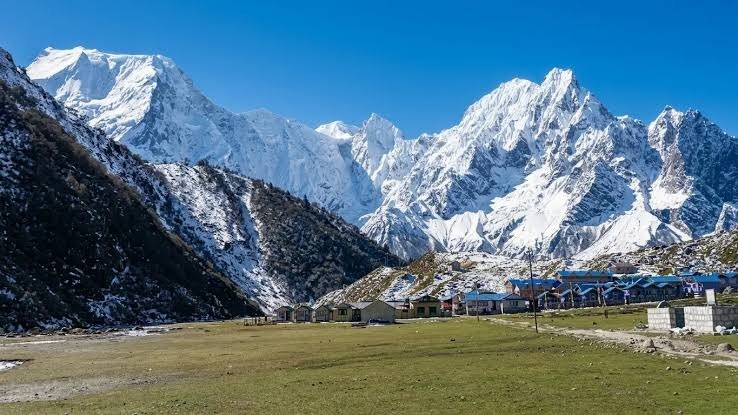
Tsum Valley is one of the most peaceful and spiritual corners of Nepal. Tucked in the lap of the Ganesh Himal, near the Tibetan border, this "hidden valley" offers old Buddhist monasteries, mani walls, suspension bridges, close views of Manaslu and a living Tibetan-style culture.
Before booking, most trekkers ask the same question: how difficult is the Tsum Valley Trek?
The short answer is that it is a moderate trek with a remote, rugged feel. It is not technically hard, and you never go very high compared to Everest or Annapurna. But the trail is long, uneven and often steep, and the facilities are simple. With some preparation, most fit walkers can finish it comfortably.
This guide covers difficulty, altitude, daily walking hours, trail conditions, challenges and practical tips, based on our 18-day Tsum Valley Trek.
Tsum Valley Trek Difficulty at a Glance
| Trek Fact | Details |
|---|---|
| Difficulty grade | Moderate |
| Duration | 18 days |
| Highest overnight stay | Mu Gompa, 3,700 m (12,139 ft) |
| Typical walking time | 3 to 7 hours a day |
| Accommodation | Teahouse or lodge, homestay and monastery stays |
| Best seasons | February to May and September to November |
| Group size | 2 to 12 trekkers |
| Permits | Special restricted-area permit, MCAP and TIMS (all included in our package) |
How Hard Is the Tsum Valley Trek?
Tsum Valley is moderate, not extreme. Here is why.
What makes it manageable:
- Overnight altitude stays below 3,800 m, so altitude risk is lower than on most Himalayan treks
- No technical climbing, ropes or glacier travel
- Gradual height gain, with an exploration day at Mu Gompa built in
- Experienced guides and porters handle the logistics
What makes it challenging:
- Long walking days, many of them 6 to 7 hours
- Steep ups and downs on rocky, narrow paths
- Remote location with basic facilities
- Weather that can change quickly
- A rough road drive at the start and end
Most trekkers with good general fitness and some hiking experience find it achievable. First-timers can do it too, as long as they train beforehand and accept simple comfort levels.
Daily Walking Hours and Trail Breakdown
Understanding the daily rhythm helps you judge your readiness. Based on our itinerary:
| Stage | Altitude | Walking Time |
|---|---|---|
| Drive Kathmandu to Soti Khola (via Arughat) | 700 m | 6 to 7 hours drive |
| Soti Khola to Machhakhola | 870 m | 6 to 7 hours |
| Machhakhola to Jagat | 2,340 m | 6 to 7 hours |
| Jagat to Chisopani | 1,660 m | 4 to 5 hours |
| Chisopani to Chumling | 2,386 m | 6 to 7 hours |
| Chumling to Chhokang Paro | 3,010 m | 4 to 5 hours |
| Chhokang Paro to Nile | 3,361 m | 5 to 6 hours |
| Nile to Mu Gompa | 3,700 m | 3 to 4 hours |
| Explore day at Mu Gompa | 3,700 m | Rest and short walks |
| Mu Gompa to Burgi via Milarepa Cave | 3,245 m | 5 to 6 hours |
| Burgi to Chumling | 2,386 m | 5 to 6 hours |
| Chumling to Philim | 1,570 m | 6 to 7 hours |
| Philim to Khorlabesi | 970 m | 6 to 7 hours |
| Khorlabesi to Soti Khola | 700 m | 6 to 7 hours |
| Soti Khola to Arughat, then drive to Kathmandu | 600 m | 4 to 5 hours trek, 6 to 7 hours drive |
The hardest stretches are the early days along the Budhi Gandaki river, where the trail rises and falls repeatedly, and the long return days when your legs are already tired.
Altitude and Acclimatization on Tsum Valley
Compared with Everest Base Camp or Annapurna Circuit, Tsum Valley is gentle on altitude. You reach 3,700 m at Mu Gompa, and the climb is spread over several days. That lowers the risk of altitude sickness, but it does not remove it.
Altitude symptoms can still appear above 3,000 m. Watch for headache, nausea, poor sleep, dizziness and unusual tiredness.
Our approach to acclimatization:
- Gradual daily ascent
- A full explore day at Mu Gompa
- Hydration and regular meals
- Guides who check on trekkers daily
Rule of thumb: if symptoms get worse, tell your guide and do not climb higher. Descending is the best treatment.
Trail Conditions: What to Expect on the Ground
Rugged paths and suspension bridges
The trail follows the Budhi Gandaki valley and then climbs into the Tsum valley. Expect stone steps, narrow cliffside sections, landslide patches and several suspension bridges. They are safe, but they can feel exposed if you are nervous about heights.
Remote and quiet
Tsum Valley sees far fewer trekkers than Annapurna or Everest. That is a big part of its charm, but it also means fewer shops, fewer phone signals and fewer rescue options. Be self-reliant and carry what you need.
Weather
Spring brings warm days and blooming rhododendrons. Autumn offers crisp, clear mountain views. Higher camps get cold at night in every season, and rain or snow can slow progress.
Major Challenges on the Tsum Valley Trek
- Long trekking days. Several days run 6 to 7 hours. Stamina matters more than speed.
- The road to the trailhead. The drive from Kathmandu to Soti Khola takes 6 to 7 hours on a rough road. Landslides can cause delays in monsoon and shoulder seasons.
- Basic accommodation. Rooms are simple, bathrooms are often shared and hot water is limited. Monasteries and homestays have limited facilities, though the hospitality is warm.
- Cold nights. Even at 3,000 to 3,700 m, nights get very cold, especially outside the peak season.
- Limited connectivity. Wi-Fi and mobile signal are patchy, so tell family to expect gaps.
- Restricted-area rules. Tsum Valley requires a special permit, a licensed guide and a minimum group of two trekkers, which is why booking through an agency is the practical way to go.
Is the Tsum Valley Trek Suitable for Beginners?
Yes, for fit beginners who are ready for long days and simple conditions. It is easier on altitude than many famous treks, and the route is mostly through villages, forests and river valleys.
It may not suit you if you:
- Have never done multi-day walking
- Cannot walk 5 to 7 hours with a daypack
- Expect hotel-level comfort
- Have heart, lung or knee problems without medical clearance
If you want a warm-up first, try a shorter route such as the Tamang Heritage Trek or the Langtang Valley Trek.
Fitness and Training Tips
Start training 8 to 12 weeks before your trip.
- Cardio: 30 to 60 minutes of running, cycling, swimming or brisk walking, 3 to 4 times a week
- Leg strength: squats, lunges and step-ups
- Hill practice: weekend hikes with a loaded daypack (6 to 8 kg)
- Back-to-back days: two long hikes on consecutive days to simulate trek fatigue
- Core and balance: helpful for narrow trails and bridges
Practice in the boots and socks you plan to wear. Blisters cause more trekking problems than altitude.
Best Time for Tsum Valley: Season and Difficulty
Spring (February to May): warm weather, green hillsides and rhododendron blooms. Early spring can still be cold at higher stops.
Autumn (September to November): the most popular season, with stable weather, clear skies and the best mountain views.
Winter and monsoon: possible but more difficult, with cold, snow, leeches and landslides. We generally advise against them for first-time Tsum Valley trekkers.
Expert Tips for a Safe and Enjoyable Tsum Valley Trek
- Go slowly. A steady pace saves energy and helps your body adapt.
- Hydrate. Aim for 3 to 4 liters of water a day.
- Pack light. Porters carry duffels, but your daypack should hold only essentials.
- Bring layers. Mornings and evenings are cold, midday can be warm.
- Break in your boots. Never start a trek in new footwear.
- Use trekking poles. They protect your knees on long descents.
- Carry cash. There are no ATMs on the trail. Small notes are best for snacks, tips and donations at monasteries.
- Respect local culture. Walk clockwise around mani walls and stupas, ask before taking photos of monks and dress modestly at monasteries.
- Buy travel insurance that covers trekking up to 4,000 m and emergency evacuation. This is not included in our package.
- Keep a buffer day. Road delays and weather can happen, so avoid tight international flight connections right after the trek.
What to Pack
Our trip page has a full equipment list. The essentials are:
- Broken-in hiking boots and spare laces
- Warm sleeping bag (rated around 0°C or lower)
- Down jacket, fleece and waterproof shell jacket and pants
- Thermal base layers, gloves and a warm hat
- Sun hat, sunglasses and sunscreen
- Headlamp with spare batteries
- Daypack (about 10 to 15 liters), water bottles and purification tablets
- Basic first-aid kit and personal medicines
- Trekking poles (optional but recommended)
Items such as sleeping bags and down jackets can be bought or hired around Thamel in Kathmandu.
Tsum Valley Trek Cost and What Is Included
The 18-day package is currently listed at US$ 1,699 per person (reduced from US$ 1,899). It includes:
- Airport transfers and 3 nights in Kathmandu with breakfast
- 14 nights of lodge or homestay accommodation during the trek
- Full-board meals on the trek
- Welcome and farewell dinners in Kathmandu
- English-speaking, first-aid trained guide, assistant guides as per group size and porters
- Tsum Valley special permit, Manaslu Conservation Area permit and TIMS card
- Public bus transfers Kathmandu to Arughat and back
- Government and local taxes
Not included: Nepal visa, lunches and dinners in Kathmandu (except welcome and farewell dinners), travel insurance, personal expenses, drinks, entrance fees in Kathmandu, emergency evacuation and tips.
Prices and offers can change, so check the trip page or send an enquiry for a current quote.
Tsum Valley vs Other Manaslu Region Treks
| Trek | Duration | Difficulty | Highlights |
|---|---|---|---|
| Tsum Valley Trek | 18 days | Moderate | Culture, monasteries, quiet valley |
| Short Manaslu Circuit Trek | 10 days | Moderate to challenging | Shorter Manaslu experience |
| Standard Manaslu Circuit Trek | 13 days | Challenging | Larkya La Pass, big mountain scenery |
| Manaslu Larke Pass Trek | 14 days | Challenging | High pass crossing, full circuit |
If culture and quiet trails matter more to you than high passes, Tsum Valley is the better fit.
Frequently Asked Questions (FAQs)
1. Is the Tsum Valley Trek difficult?
It is graded moderate. The altitude is manageable, but long walking days and rugged trails need good fitness.
2. How many days does the Tsum Valley Trek take?
Our itinerary takes 18 days, including arrival, preparation, driving, trekking, an exploration day at Mu Gompa and departure.
3. What is the highest altitude on the Tsum Valley Trek?
You stay overnight at up to 3,700 m at Mu Gompa, the highest point on our route.
4. Do I need a permit for Tsum Valley?
Yes. You need a Tsum Valley special permit, a Manaslu Conservation Area permit and a TIMS card. Our package arranges all of them.
5. Can I trek Tsum Valley solo?
No. It is a restricted area, so you need a licensed guide and a minimum of two trekkers. Our group sizes range from 2 to 12.
6. Is altitude sickness a risk on Tsum Valley?
The risk is lower than on higher treks, but still possible above 3,000 m. Gradual ascent, hydration and prompt reporting of symptoms keep you safe.
7. What is the best time to trek Tsum Valley?
February to May and September to November offer the best weather and views.
8. What is the accommodation like?
Expect basic teahouses, lodges, homestays and sometimes monastery rooms on a twin-sharing basis. Facilities are simple but hospitality is warm.
9. Is there Wi-Fi or mobile network on the trek?
Wi-Fi is available in some places, often at extra cost, and mobile signal is limited. Plan for patchy contact.
10. How much does the Tsum Valley Trek cost?
Our 18-day package is currently listed from US$ 1,699 per person. Visit the trip page for current details.
For more answers, see our Travel Information page or read our Terms and Conditions before booking.
Final Thoughts: Is Tsum Valley Worth the Effort?
Tsum Valley is moderate in difficulty but very high in reward. You get Himalayan views, centuries-old monasteries, the Milarepa Cave, welcoming villages and long stretches of trail where you may meet more mules than trekkers. With 8 to 12 weeks of training, good boots, warm layers and a patient attitude, most fit trekkers finish happily.
If you want a trek that feels less like a tourist route and more like a journey into living Himalayan culture, this is one of Nepal's best.
Ready to start? Explore the full Tsum Valley Trek – 18 Days itinerary, browse more trekking in Nepal options, or contact Team Ram Adventure to plan your trip. You can also message us on WhatsApp.
Ready to trek in the Himalayas?
Get itinerary guidance and local support from the Team Ram Adventure specialists.