 Plan Your Trip Now
In This Guide
Few treks in the world let you walk straight into the lap of an 8,000-meter mountain range in under two weeks — but the Annapurna Base Camp Trek does exactly that. Winding through rhododendron forests, terraced hillsides, and traditional Gurung villages, the trail delivers you to a natural amphitheater of snow peaks that feels almost too dramatic to be real. If you're ready to experience it for yourself, the Annapurna Base Camp Trek package from Team Ram Adventure offers a well-rounded 14-day itinerary built for trekkers of nearly every experience level.
Here's a complete look at what the trek involves, what it costs, and when to go.
Why Trek to Annapurna Base Camp
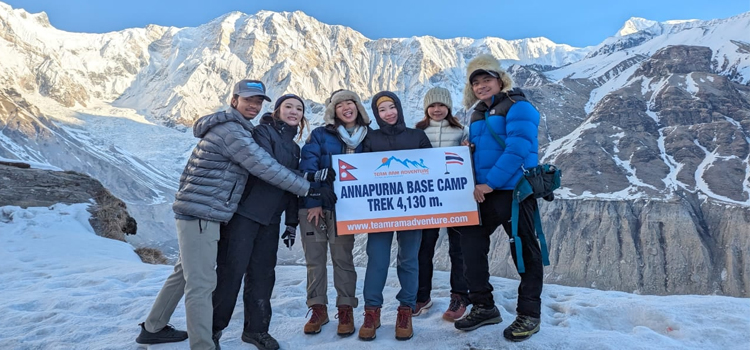
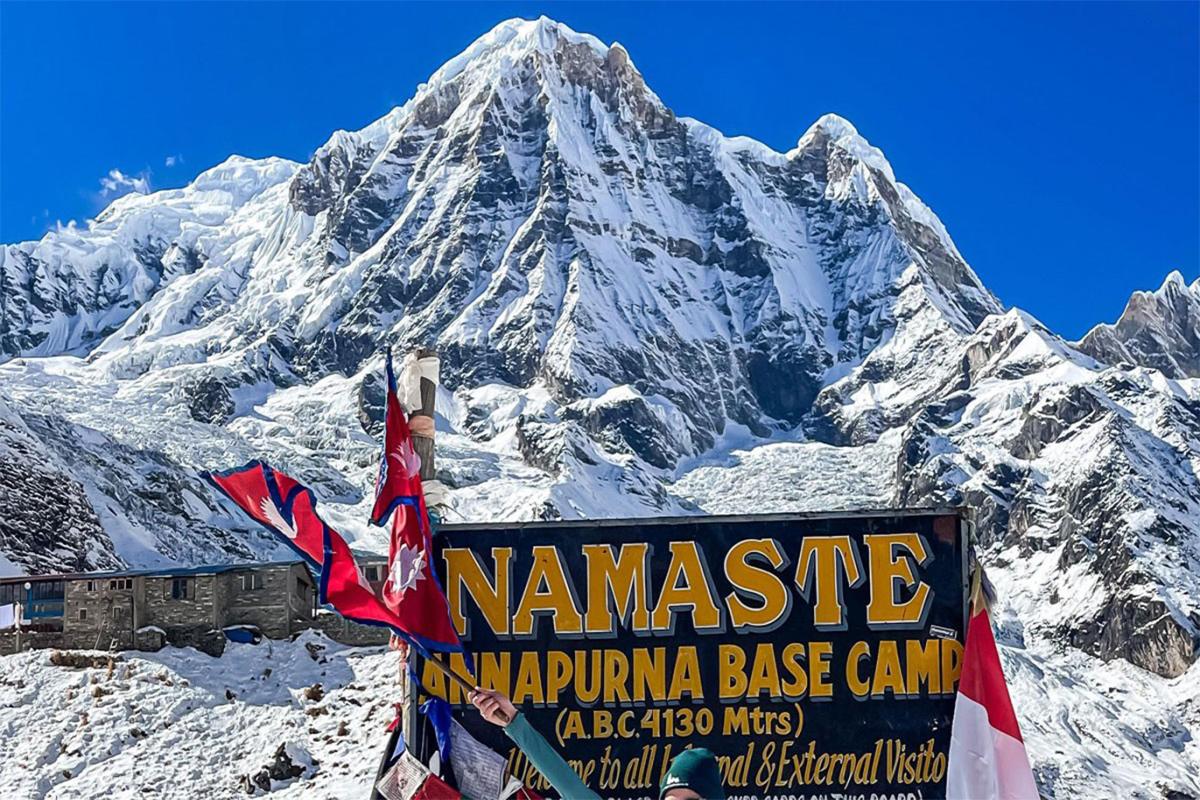
Reaching Annapurna Base Camp at 4,130 meters means standing in the middle of a 360-degree wall of Himalayan giants — Annapurna I, Annapurna South, Annapurna III, Hiunchuli, Gangapurna, and the unmistakable fishtail-shaped summit of Machhapuchhre, all rising directly around you. Along the way, the trail also passes through Machhapuchhre Base Camp and the Gurung village of Ghandruk, giving trekkers a genuine taste of local mountain culture alongside the scenery. Add in a soak in the natural hot springs at Jhinu Danda on the way back, and it's easy to see why this trek remains one of Nepal's most popular short adventures.
Annapurna Base Camp Trek Itinerary Overview
The standard itinerary runs 14 days from arrival to departure in Kathmandu, structured roughly as follows:
Here's the Annapurna Base Camp Trek itinerary in table format with altitude:
| Day | Route | Altitude | Duration |
|---|---|---|---|
| Day 1 | Arrival in Kathmandu, transfer to hotel | 1,350m / 4,429ft | — |
| Day 2 | Drive/fly to Pokhara | 850m / 2,789ft | 30 min (flight) / 6–7 hrs (drive) |
| Day 3 | Drive to Nayapul, trek to Ulleri Village | 2,100m / 6,890ft | 5 hours |
| Day 4 | Ulleri to Ghorepani | 2,874m / 9,429ft | 5 hours |
| Day 5 | Ghorepani to Tadapani via Poon Hill | Poon Hill 3,210m/10,529ft → Tadapani 2,700m/8,860ft | 6–7 hours |
| Day 6 | Tadapani to Chhomrong | 2,170m / 7,120ft | 6 hours |
| Day 7 | Chhomrong to Bamboo | 2,310m / 7,578ft | 4–5 hours |
| Day 8 | Bamboo to Deurali | 3,230m / 10,595ft | 3–4 hours |
| Day 9 | Deurali to Annapurna Base Camp via Machhapuchhre Base Camp | MBC 3,700m/12,135ft → ABC 4,130m/13,545ft | 5–6 hours |
| Day 10 | Annapurna Base Camp to Bamboo | 1,780m / 5,839ft | 7–8 hours |
| Day 11 | Bamboo to Jhinu Danda | 1,760m / 5,774ft | 5–6 hours |
| Day 12 | Trek to Nayapul, drive to Pokhara | 850m / 2,789ft | 6 hrs trek + 1 hr drive |
| Day 13 | Fly from Pokhara to Kathmandu | 1,350m / 4,429ft | 35 minutes |
| Day 14 | Final departure | — | — |
The trek's highest point is Annapurna Base Camp at 4,130m (13,545ft) on Day 9, with a steady, gradual altitude gain across the first 9 days that supports healthy acclimatization before the descent begins.
This gradual up-and-down structure allows the body to acclimatize naturally as the trail climbs from around 850 meters in Pokhara to the base camp's 4,130 meters.
How Difficult Is the Annapurna Base Camp Trek?
The trek is generally rated as moderate — accessible to trekkers with reasonable fitness but still demanding enough to require preparation. Covering roughly 130–140 kilometers over 7–12 trekking days (14 days including travel), the route involves plenty of uphill and downhill walking on stone steps and rocky trails, along with several suspension bridge crossings. No technical climbing skills are needed, but a base level of cardiovascular fitness makes the steep sections, particularly around Ulleri's famous stone staircase, far more manageable.
Best Time to Trek Annapurna Base Camp
- Autumn (September–November): The most popular season, with clear skies, stable weather, and comfortable daytime temperatures
- Spring (March–May): Rhododendron forests bloom in shades of red and pink, and mountain visibility is excellent
- Winter (December–February): Colder and snowier near the base camp, but rewarding for trekkers prepared with proper cold-weather gear
- Monsoon (June–August): Generally not recommended due to heavy rain, leeches, and obscured mountain views
Annapurna Base Camp Trek Cost
Package pricing typically starts around USD 899 per person for the standard 14-day itinerary, with group discounts available for larger parties. Most packages include:
- Airport transfers and domestic transport between Kathmandu and Pokhara
- All necessary permits, including the TIMS card
- A licensed English-speaking guide and porter
- Meals during the trek and teahouse accommodation
- Two nights' hotel stay each in Kathmandu and Pokhara
Typically excluded are international flights, the Nepal entry visa, personal travel insurance, alcoholic drinks, and tips for the guide and porter crew. It's worth confirming exact inclusions with your operator before booking.
What to Pack for the Trek
- Sturdy, broken-in trekking boots and warm hiking socks
- Layered clothing: thermal base layers, a fleece mid-layer, and a down jacket
- Waterproof/windproof outer shell for changeable mountain weather
- Trekking poles for the steep stone staircases
- Sleeping bag rated for cold nights at higher elevations
- Sun hat, sunglasses, and sunscreen for high-altitude UV exposure
- A basic first-aid kit and any personal medication
Permits and Documents You'll Need
- A valid passport with at least six months' remaining validity
- A Nepali tourist visa, obtainable on arrival in Kathmandu
- A TIMS card (Trekkers' Information Management System)
- An ACAP permit (Annapurna Conservation Area Permit)
A reliable trekking company will typically arrange these permits on your behalf, saving you the hassle of navigating the paperwork independently.
Other Popular Treks in the Annapurna Region
If the Annapurna Base Camp Trek has sparked your interest in the region, there are several other excellent trekking options worth considering, depending on your available time and fitness level:
Ghorepani Poon Hill Sunrise Trek
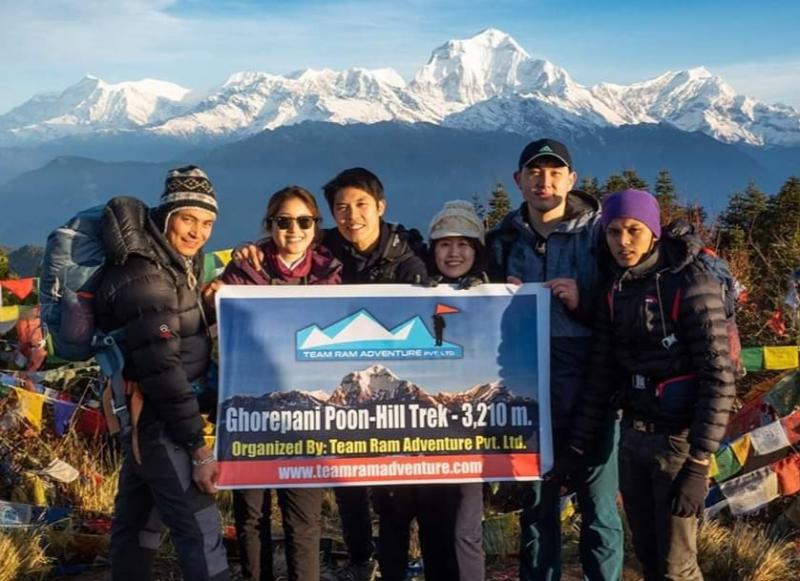
For trekkers short on time but unwilling to miss out on classic Himalayan views, the Ghorepani Poon Hill Sunrise Trek is one of the best options in the region. Typically completed in around 8 days, this trek climbs through beautiful rhododendron and oak forests to the village of Ghorepani before an early-morning ascent to Poon Hill, where a 360-degree panorama of Annapurna, Dhaulagiri, and Machhapuchhre unfolds as the sun rises. It's a moderate trek suitable for families, first-timers, and anyone wanting a taste of the Annapurna region without committing to a multi-week itinerary. Because much of the route overlaps with the early days of the Annapurna Base Camp Trek, it's also a great way to preview the terrain before deciding whether to tackle the longer trek in the future. Learn more about the Ghorepani Poon Hill Sunrise Trek.
Mardi Himal Base Camp Trek in 8 Days
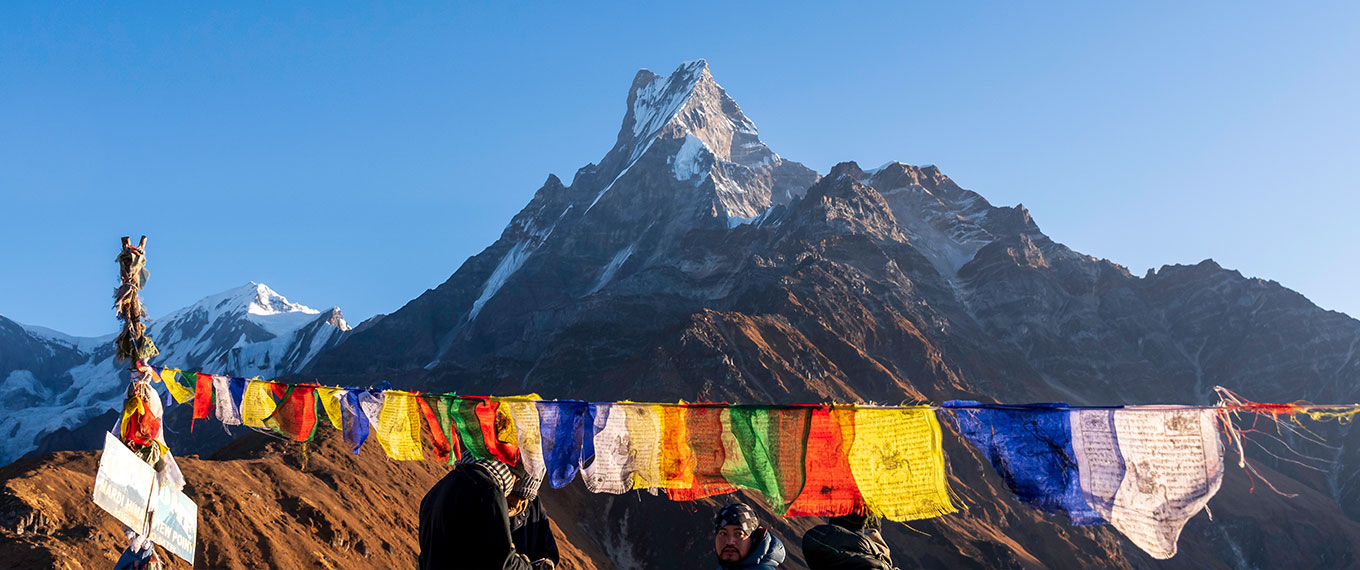
If solitude is what you're after, the Mardi Himal Base Camp Trek offers a quieter alternative just a ridge away from the busier Annapurna Base Camp trail. Completed in as little as 8 days, this trek winds through dense forest before opening onto a narrow ridgeline with extraordinarily close views of Machhapuchhre — arguably some of the best Fishtail Mountain views available anywhere in Nepal. Because the trail sees far less foot traffic than its neighboring routes, trekkers often enjoy long stretches of trail in near-total peace, punctuated only by birdsong and the occasional yak bell. It's rated easy to moderate, making it accessible for trekkers who want high-altitude views without the length or crowds of the main Annapurna circuit. Details are available on the Mardi Himal Base Camp Trek in 8 Days page.
Annapurna Circuit Trek
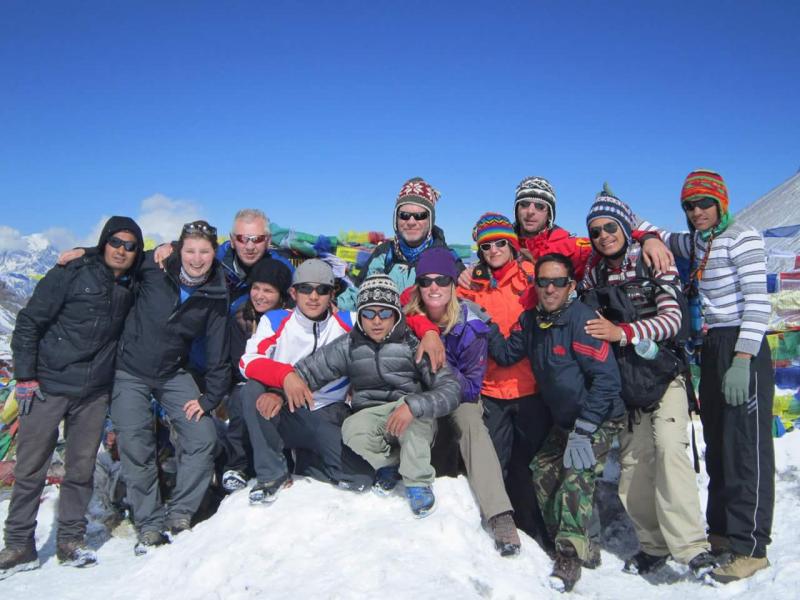
For those craving a longer, more varied Himalayan adventure, the Annapurna Circuit Trek remains one of the most celebrated trekking routes in the world. First opened to foreign trekkers in 1977, the circuit takes trekkers around the entire Annapurna massif, crossing diverse climate zones — from subtropical lowlands and terraced farmland to high alpine desert reminiscent of Tibet. The trek's defining challenge is the crossing of Thorong La Pass at 5,416 meters, one of the highest trekking passes in the world, which rewards trekkers with sweeping views into the Mustang region beyond. Typically taking around 13 days or more, this trek suits experienced hikers looking for a longer, more physically demanding journey with far greater cultural and geographical diversity than shorter Annapurna treks. More information can be found on the Annapurna Circuit Trek page.
Sikles Village Trek
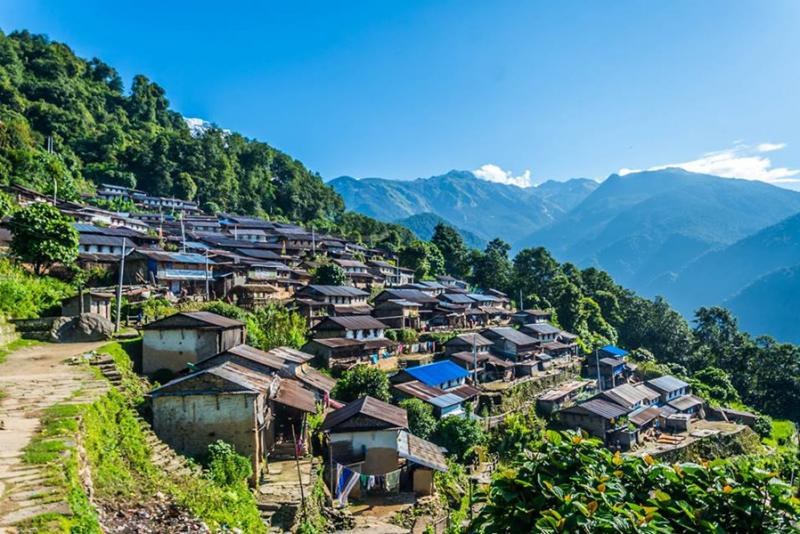
Away from the well-worn trails of Ghorepani and Chhomrong, the Sikles Village Trek offers an authentic, off-the-beaten-path experience centered on one of the largest Gurung villages in Nepal. Set within the Annapurna Conservation Area, Sikles is known for its traditional stone houses, terraced fields, and deep-rooted Gurung culture, giving trekkers a chance to engage with local life in a way that's increasingly rare on busier routes. The roughly 11-day trek combines forest trails, mountain views of the Annapurna and Lamjung Himal ranges, and genuine village homestays or teahouse stays, making it an excellent choice for cultural travelers who want scenery paired with meaningful human connection rather than just peak-bagging. Explore the itinerary on the Sikles Village Trek page.
Nar Phu Valley Trek – 19 Days
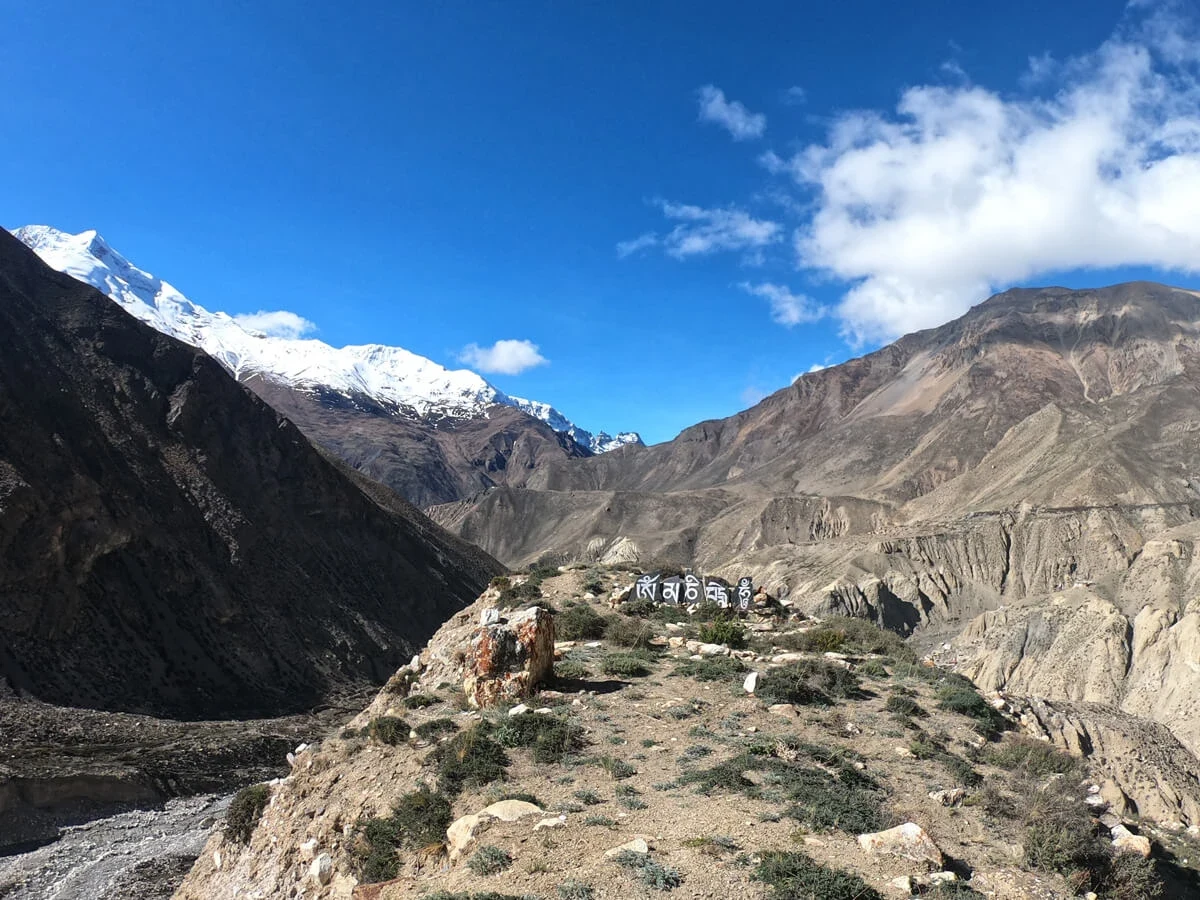
For serious trekkers seeking something truly remote, the Nar Phu Valley Trek ventures into one of Nepal's last restricted areas, tucked between the Annapurna and Manaslu regions near the Tibetan border. This roughly 19-day adventure combines dramatic canyon walls, ancient Tibetan Buddhist villages, ruined fortresses, and high-altitude passes with an atmosphere of genuine isolation rarely found on Nepal's more accessible trails. Because the region requires a special restricted-area permit and a minimum group size, it naturally sees far fewer trekkers, preserving both its untouched landscapes and its centuries-old way of life. This trek is best suited for experienced, well-prepared trekkers with time to spare and a strong appetite for adventure well beyond the standard Annapurna circuit. Full details are available on the Nar Phu Valley Trek – 19 Days page.
Comparing these options against the Annapurna Base Camp Trek can help you decide which route best matches your schedule, fitness level, and appetite for adventure.
Annapurna Base Camp Trek FAQ(s)
1. How many days does the Annapurna Base Camp Trek take?
The standard itinerary takes 14 days from arrival to departure in Kathmandu, though the actual trekking portion typically covers 7–12 days depending on the route and pace chosen.
2. What is the maximum altitude of the Annapurna Base Camp Trek?
The highest point is Annapurna Base Camp itself at 4,130 meters (13,545 ft), reached on Day 9 of the standard itinerary after passing through Machhapuchhre Base Camp.
3. How difficult is the Annapurna Base Camp Trek?
It's rated as a moderate trek, involving steep stone staircases and several hours of daily walking, but it requires no technical climbing skills, making it achievable for reasonably fit beginners.
4. What is the best time to trek to Annapurna Base Camp?
Autumn (September–November) and spring (March–May) are the best seasons, offering clear skies, stable weather, and the best mountain visibility.
5. How much does the Annapurna Base Camp Trek cost?
Package pricing typically starts around USD 899 per person for the standard 14-day itinerary, varying by group size, season, and inclusions.
6. What permits are required for the Annapurna Base Camp Trek?
Trekkers need a TIMS card (Trekkers' Information Management System) and an ACAP permit (Annapurna Conservation Area Permit), both usually arranged by the trekking agency.
7. Is altitude sickness a risk on the Annapurna Base Camp Trek?
Altitude sickness is possible above 3,000 meters, but the gradual, well-paced itinerary allows for natural acclimatization, significantly reducing the risk when trekkers pace themselves properly.
8. What kind of accommodation is available during the trek?
Trekkers stay in teahouses and lodges along the route, offering basic twin-bed rooms, shared bathrooms, and hot meals, with amenities becoming simpler at higher elevations.
9. Do I need a guide or porter for the Annapurna Base Camp Trek?
While independent trekking is possible, hiring a licensed guide and porter is highly recommended for safety, navigation, and support, especially for first-time Himalayan trekkers.
10. Can beginners do the Annapurna Base Camp Trek?
Yes, with reasonable fitness and preparation, beginners can complete the trek successfully, as the moderate difficulty and teahouse-based comfort make it one of the most accessible base camp treks in Nepal.
Final Thoughts
The Annapurna Base Camp Trek remains one of Nepal's most rewarding short adventures — a journey that combines dramatic mountain scenery, warm cultural encounters, and a genuinely achievable challenge for trekkers without months of vacation time to spare. Whether it's your first Himalayan trek or one of many, standing at the base camp with Annapurna's full amphitheater of peaks around you is an experience that's hard to forget. To check current departure dates and start planning your trip, visit the Annapurna Base Camp Trek page from Team Ram Adventure.
Ready to trek in the Himalayas?
Get itinerary guidance and local support from the Team Ram Adventure specialists.