
 Plan Your Trip Now

In This Guide
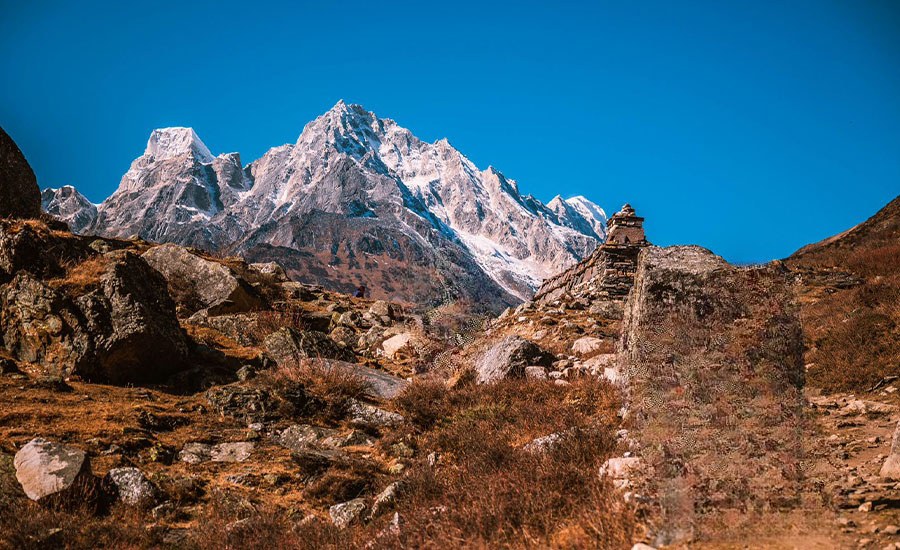
The Tsum Valley is a hidden Buddhist valley in the Manaslu region, with monasteries, prayer walls and views of Ganesh Himal and Manaslu. It is also lower than most famous Nepal treks, which makes it a popular choice for trekkers who want a quieter route. Lower does not mean risk-free, though. Altitude sickness can affect anyone who gains height too fast, whatever their fitness or experience.
This guide explains how high the Tsum Valley Trek goes, what altitude sickness feels like, how to prevent it and when to descend. To plan the trek itself, see our 18-day Tsum Valley Trek itinerary.
This article is general trekking safety information, not medical advice. Talk to your doctor before any high-altitude trip.
How High Is the Tsum Valley Trek?
Our trip page lists the trek's highest point as 5,093 m. The overnight stops on our itinerary are lower, and the highest sleeping altitude is at Mu Gompa (3,700 m). Altitude sickness usually begins above 2,500–3,000 m, so you will be in the risk zone for the second half of the trek.
| Day | Stop | Altitude |
|---|---|---|
| 3 | Soti Khola | About 700 m |
| 4 | Machhakhola | About 870 m |
| 5 | Jagat | About 1,340 m* |
| 7 | Chumling | 2,386 m |
| 8 | Chhokang Paro | 3,010 m |
| 9 | Nile | 3,361 m |
| 10–11 | Mu Gompa (with an explore day) | 3,700 m |
| 12 | Burgi Village | 3,245 m |
| 13 | Chumling | 2,386 m |
*Altitudes follow our itinerary. Please check the trip page for the exact figures listed there, as published figures vary slightly between sources.
The route climbs gradually through the Budhi Gandaki valley and then drops back down after Mu Gompa, which is a helpful safety feature. Your body gets time at moderate height, and the return leg takes you to lower, thicker air quickly.
What Is Altitude Sickness?
Altitude sickness happens when your body cannot adapt quickly enough to lower oxygen levels at height. It comes in three forms:
- Acute Mountain Sickness (AMS): The most common and mildest form.
- High Altitude Pulmonary Edema (HAPE): Fluid in the lungs. It is serious and can be fatal.
- High Altitude Cerebral Edema (HACE): Swelling of the brain. It is also a medical emergency.
AMS is common above about 3,000 m. HAPE and HACE are rare on a trek like Tsum Valley, but they can develop fast, so every trekker should know the warning signs.
Symptoms of Altitude Sickness
Mild AMS
- Headache, which is the main symptom
- Nausea or loss of appetite
- Dizziness or light-headedness
- Unusual tiredness or weakness
- Poor sleep
Worsening AMS
- A headache that does not respond to rest, fluids or simple painkillers
- Vomiting
- Severe fatigue
- Shortness of breath at rest
HAPE warning signs
- Breathlessness even when resting
- A persistent cough, sometimes with frothy or pink sputum
- Chest tightness or a gurgling sound when breathing
- Blue lips or fingertips
- Extreme fatigue and a falling ability to walk
HACE warning signs
- Confusion or strange behavior
- Loss of coordination, such as stumbling or inability to walk in a straight line
- Severe headache with vomiting
- Drowsiness or loss of consciousness
If you or a companion shows signs of HAPE or HACE, descend immediately. Do not wait until morning.
When Does Altitude Sickness Usually Start on the Trek?
Most trekkers feel the first effects around Chhokang Paro (3,010 m) and Nile (3,361 m), then at Mu Gompa (3,700 m). The jump from Chumling to Chhokang Paro is the largest daily gain on the itinerary, at roughly 600 m, so take it slowly and watch how you feel that evening.
How to Prevent Altitude Sickness on the Tsum Valley Trek
1. Walk slowly
Slow and steady is the best policy. A pace that lets you talk in full sentences is about right. Do not race ahead, even if you feel strong.
2. Use the rest day at Mu Gompa
The explore day at Mu Gompa is a built-in acclimatization day. Use it for short walks and rest, and treat it as part of your safety plan.
3. Follow "climb high, sleep low"
You can walk higher during the day, such as around Mu Gompa, then return to sleep at a lower height. This helps your body adapt.
4. Keep your sleeping altitude gains moderate
Above 3,000 m, try to increase your sleeping altitude by no more than about 300–500 m a day. If a day on the itinerary feels too steep, tell your guide. A good guide will adjust the plan.
5. Stay well hydrated
Aim for about 3–4 liters of fluid a day. Drink water, herbal tea and soup, and check that your urine stays pale.
6. Eat enough
Altitude suppresses appetite, but your body needs fuel. Carbohydrate-rich meals such as rice, noodles and potatoes help you stay strong.
7. Avoid alcohol and sleeping pills
Both can disturb breathing at night and hide the early signs of altitude sickness.
8. Keep warm
Cold makes everything harder. Dress in layers, protect your head and hands, and use a warm sleeping bag. Nights at Nile and Mu Gompa can be very cold.
9. Consider medication, with a doctor's advice
Some trekkers take acetazolamide (Diamox) to help prevent AMS. Talk to your doctor well before you travel about whether it suits you, the correct dose and possible side effects. Never take a prescription drug at altitude without medical advice.
10. Be honest about how you feel
The most dangerous mistake is hiding symptoms because you do not want to hold the group back. Tell your guide at the first sign of trouble.
The Golden Rules of Altitude Safety
- Know the symptoms of AMS, HAPE and HACE.
- Never go higher with symptoms. If you feel unwell, stay at the same altitude until you recover.
- If symptoms get worse, go down. Descending is the most effective treatment.
- Never leave an ill trekker alone.
- Never ignore symptoms or hope they pass overnight.
What Happens If Someone Gets Sick on the Trek?
Your guide is your first line of defense. A well-trained guide will check each trekker regularly, track how everyone is feeling and make decisions about resting, descending or arranging evacuation. Our guides are English-speaking and first-aid trained, and carry a first-aid kit.
For mild AMS, the usual response is to rest, drink fluids and wait at the same altitude until symptoms ease. For moderate to severe symptoms, the response is descent. In an emergency, evacuation by helicopter may be arranged. The cost of emergency evacuation is not included in our package, so comprehensive travel insurance is essential.
Why Travel Insurance Matters
Your insurance should cover:
- Trekking up to at least 5,000 m
- Emergency helicopter evacuation
- Medical treatment and repatriation
- Trip cancellation and delays
Check the policy wording carefully, because some policies exclude high-altitude trekking. Insurance is not included in our trip price.
Fitness, Preparation and Packing
Fitness helps with endurance, but it does not prevent altitude sickness. Even very fit trekkers can be affected. Still, being in good shape makes long walking days easier, and the Tsum Valley Trek has several 6–7 hour days.
- Training: Start 2–3 months before departure with hiking, stair climbing and cardio, plus some leg strength work.
- Doctor visit: Ask your doctor about altitude, especially if you have a heart, lung or blood condition, are pregnant or take regular medication.
- Gear: A four-season sleeping bag, warm layers, a hat and gloves, sunglasses, a headlamp and a basic first-aid kit. Our equipment list on the trip page covers the details.
- Water purification: Carry refillable bottles and purification tablets.
Best Time to Trek the Tsum Valley
Our trip page lists February to May and September to November as the best times. Autumn (September–November) has clear skies and stable weather. Spring (March–May) brings warmer days and rhododendron blooms. Cold weather at higher stops makes February and early March feel tougher, so dress warmly.
Why Trek the Tsum Valley with Team Ram Adventure?
Team Ram Adventure Pvt. Ltd. is a Kathmandu-based trekking company with a TripAdvisor presence and many years of experience in the Manaslu region. We offer:
- Experienced, first-aid-trained local guides
- Itineraries built with acclimatization in mind
- All permits arranged, including the Manaslu Conservation Area permit, the Tsum Valley special permit and the TIMS card
- Small groups and personal attention
- Transparent pricing with no hidden costs
Learn more about us, see why to book with us and read our terms and conditions before booking.
Related Treks
If you are comparing options, you may also like:
- Standard Manaslu Circuit Trek
- Short Manaslu Circuit Trek
- Manaslu Larke Pass Trek
- Tamang Heritage Trek, a lower-altitude cultural trek
- Langtang Valley Trek
You can also browse all trekking in Nepal and our Manaslu region treks.
Frequently Asked Questions: Altitude Sickness on the Tsum Valley Trek
1. Is altitude sickness common on the Tsum Valley Trek?
Mild symptoms can affect some trekkers, especially above 3,000 m around Chhokang Paro, Nile and Mu Gompa. With slow pacing and good acclimatization, most people manage well.
2. How high does the Tsum Valley Trek go?
Our trip page lists the highest point at 5,093 m. The highest overnight stay on our itinerary is Mu Gompa at 3,700 m.
3. What are the first signs of altitude sickness?
A headache is the most common first sign, often with nausea, dizziness, poor sleep or unusual tiredness.
4. Can I get altitude sickness even if I am very fit?
Yes. Fitness does not prevent altitude sickness. Climbing slowly and acclimatizing properly matter far more.
5. What should I do if I get a headache at altitude?
Stop ascending, rest, drink water and tell your guide. If the headache gets worse or comes with vomiting, confusion or breathlessness, descend.
6. Is Diamox recommended for the Tsum Valley Trek?
Some trekkers use it to help prevent AMS, but whether it suits you is a medical decision. Ask your doctor before the trip.
7. When should I descend?
Descend immediately for worsening symptoms, breathlessness at rest, confusion, loss of balance or any sign of HAPE or HACE. Do not wait.
8. Is the Tsum Valley Trek suitable for beginners?
Our trip page grades it as moderate. Fit first-time trekkers can enjoy it with good preparation, an experienced guide and a sensible pace.
9. How many days does the Tsum Valley Trek take?
Our itinerary runs 18 days including arrival and departure, with a rest and explore day at Mu Gompa.
10. Do I need travel insurance?
Yes. You need insurance that covers trekking above 5,000 m and emergency helicopter evacuation. It is not included in our trip price.
11. What is the difference between AMS, HAPE and HACE?
AMS is the common, milder form. HAPE is fluid in the lungs and HACE is swelling of the brain. Both are medical emergencies requiring immediate descent.
12. Can I do the Tsum Valley Trek in winter?
Our page lists February to May and September to November as the best times. Winter is much colder at the higher stops, so check conditions with us before booking.
Trek the Tsum Valley Safely in 2027
The Tsum Valley rewards slow, careful trekkers with monasteries, mountain views and a warm local culture. Respect the altitude, listen to your body and trust your guide, and you will give yourself the best chance of a safe and memorable trip.
View the full Tsum Valley Trek itinerary, then send us an inquiry or contact Team Ram Adventure to check dates for 2027.
Ready to trek in the Himalayas?
Get itinerary guidance and local support from the Team Ram Adventure specialists.