
 Plan Your Trip Now

In This Guide
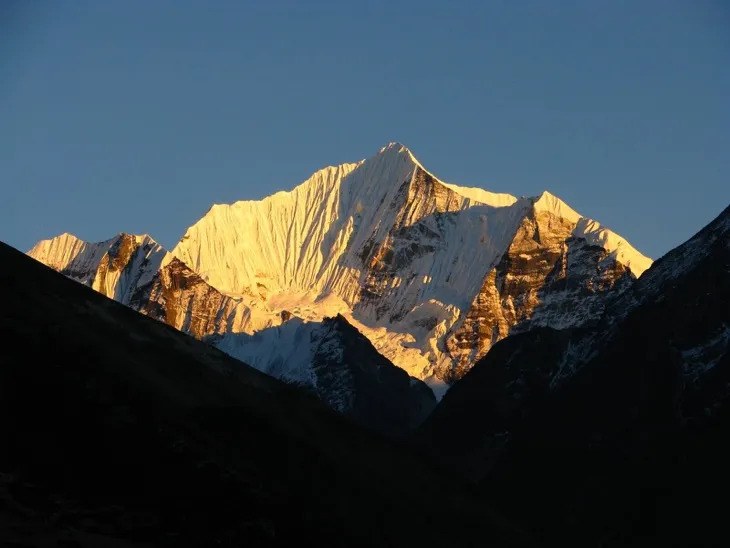
Yala Peak is one of the most popular first Himalayan summits in Nepal. It sits in the Langtang region, only a day's drive from Kathmandu, and its views over Langtang Lirung, Shishapangma and the Tibetan border are far larger than the effort suggests.
Before you book, you will want to know how hard Yala Peak really is. This guide covers the difficulty, the real challenges, the fitness you need, and how to prepare. It is written for first-time climbers as well as experienced trekkers.
Quick Answer: How Difficult Is Yala Peak Climbing?
Yala Peak is a non-technical climb, rated moderate for fit trekkers. The altitude is harder than the terrain.
| Factor | Details |
|---|---|
| Difficulty | Moderate (Team Ram Adventure lists it as Moderate/Hard overall) |
| Technical level | Non-technical, with basic crampon and ice axe use on the upper section |
| Summit elevation | About 5,500–5,732 m, depending on the source |
| Region | Langtang National Park, Nepal |
| Summit day | Roughly 6–8 hours including the return to base camp |
| Typical trip length | 10–14 days |
| Best seasons | March–May and September–November |
| Experience needed | None required, but good fitness and prior trekking are strongly recommended |
If you can walk 5–7 hours a day for over a week, you can physically manage Yala Peak. What stops people is altitude, not technical skill.
Want to see a complete plan? Check the 13-day Yala Peak Climbing itinerary with Team Ram Adventure.
Why Yala Peak Is Called a Beginner-Friendly Peak
Yala Peak is a "trekking peak" under Nepal's climbing classification. That means:
- No technical rock or ice climbing. The route is a steep trail, then a snow or scree slope.
- No vertical walls or serious crevasse maze on the standard route in normal conditions.
- Short summit day compared with peaks like Island Peak, Mera Peak or Lobuche.
- Lodge-based trek in through Langtang Valley, so you are not carrying a heavy pack for days.
It is an excellent stepping stone for climbers who later want to attempt Mera Peak, Island Peak or Lobuche Peak.
The 5 Real Challenges of Yala Peak
1. Altitude and Acute Mountain Sickness (AMS)
This is the biggest challenge. The trek climbs from Syabrubesi (about 1,460 m) to Kyanjin Gompa (about 3,850 m) and then to Yala base camp (around 4,600–4,800 m). Above 3,500 m, the air holds noticeably less oxygen, and AMS can affect anyone, regardless of fitness.
Typical symptoms are headache, nausea, poor sleep, loss of appetite and unusual fatigue. A fit 25-year-old can suffer while a slower 55-year-old feels fine, because acclimatization depends on how gradually you ascend, not on how strong you are.
2. The Steep Summit Day
The summit push starts early, often well before sunrise. You climb steep terrain, usually in cold conditions, with a pack and crampons. Expect:
- Temperatures well below freezing at the start
- Thin air that makes every step slower
- A steep final section on snow or loose rock, depending on the season
3. Cold, Wind and Weather
Langtang weather changes quickly. Strong winds on the upper slopes can make an easy climb uncomfortable, and fresh snow can slow progress. Winter and monsoon conditions make the climb notably harder.
4. Long Trekking Days Before the Climb
The approach is not a casual walk. Typical days run 4–7 hours with steady ascents. The trail from Lama Hotel to Langtang Village, and then to Kyanjin Gompa, climbs steadily and tires climbers who have not trained.
5. Basic Facilities at High Altitude
Teahouses are simple, rooms are cold, and you will use camp or basic lodge accommodation near base camp. Hot showers and reliable charging get scarce as you climb. Mental resilience matters here as much as physical strength.
Yala Peak Fitness Requirements
You do not need to be an athlete, but you do need to be trekking-fit.
You are probably ready if you can:
- Hike 5–7 hours with a light daypack on hilly terrain
- Climb stairs or hills for 60–90 minutes without stopping
- Repeat that effort several days in a row without breaking down
Prior experience that helps:
- A multi-day trek above 3,000 m, such as the Langtang Valley Trek or Poon Hill
- Winter hiking or any exposure to snow
- Basic comfort wearing crampons
If you have a heart, lung or blood-pressure condition, speak to a doctor who understands high-altitude travel before you book.
Yala Peak Training Plan (8–12 Weeks)
Start at least 8–12 weeks before departure.
Cardio endurance (3–4 times per week)
- Brisk walking, running, cycling or swimming for 45–60 minutes
- One long weekend session of 3–5 hours
Strength training (2 times per week)
- Squats, lunges, step-ups and calf raises for climbing and descending
- Core work such as planks and back extensions to carry a pack comfortably
Hill and stair training (1–2 times per week)
- Walk uphill with a 6–8 kg backpack
- Use stairs if you live in a flat area, and slowly increase the load
Back-to-back days
- In the final month, do two long hikes on consecutive days. This teaches your body to perform when already tired, exactly what the trek demands.
Breathing and mental prep
- Practice slow, steady breathing on climbs
- Train yourself to keep a "slow and steady" pace. Rushing is the most common mistake in the mountains.
How to Prevent Altitude Sickness on Yala Peak
- Go slowly. The most effective rule at altitude. Walk at a pace where you could hold a conversation.
- Follow a proper acclimatization schedule. A rest day at Kyanjin Gompa, with a side hike such as Tserko Ri, helps your body adjust. The Team Ram Adventure itinerary builds this in.
- Drink plenty of water. Aim for 3–4 litres a day.
- Avoid alcohol and be careful with sleeping pills at altitude.
- Eat regularly, even if your appetite drops.
- Tell your guide about every symptom. Never hide a headache or nausea to keep up with the group.
- Descend if symptoms worsen. Going down is the proven treatment for AMS. Ask your doctor about preventive medication before travelling.
Best Time to Climb Yala Peak
- Spring (March–May): Stable weather, warmer temperatures and rhododendron forests in bloom along the trail.
- Autumn (September–November): Clear skies and excellent mountain views, which is the peak season.
Winter (December–February) is possible but cold, and the monsoon (June–August) brings rain, leeches in the lower valley and cloudy views. For first-timers, spring and autumn give the best odds of summit success.
Yala Peak Itinerary Overview
A well-planned Yala Peak itinerary follows a gradual altitude profile, which is the main factor in your success. A typical 13-day plan looks like this:
- Day 1: Arrive in Kathmandu
- Day 2: Drive to Syabrubesi (about 1,460 m)
- Day 3: Trek to Lama Hotel (about 2,240 m)
- Day 4: Trek to Langtang Village (about 3,430 m)
- Day 5: Trek to Kyanjin Gompa (about 3,850 m)
- Day 6: Acclimatization day with a Tserko Ri hike
- Day 7: Trek to Yala base camp (about 4,800 m)
- Day 8: Summit day, then return to Kyanjin Gompa
- Days 9–10: Trek back to Lama Hotel and Syabrubesi
- Day 11: Drive to Kathmandu
- Day 12: Sightseeing or rest in Kathmandu
- Day 13: Departure
See the full day-by-day plan, inclusions and current price on the Yala Peak Climbing trip page.
Essential Gear Checklist
You can rent technical gear in Kathmandu, but bring well-fitting personal items.
Climbing gear
- Mountaineering boots (broken in before the trip)
- Crampons, ice axe and helmet (often rentable)
- Harness and carabiners if recommended by your guide
Clothing
- Base layers (merino or synthetic)
- Fleece or light insulated jacket
- Down jacket rated for sub-zero temperatures
- Waterproof shell jacket and pants
- Warm hat, sun hat, buff, insulated gloves and liner gloves
- Wool socks (several pairs)
Other essentials
- Sleeping bag rated to at least −15°C
- UV-rated sunglasses or glacier glasses
- Headlamp with spare batteries
- Trekking poles
- Water bottles or a hydration bladder
- Sunscreen, lip balm and a basic first-aid kit
- Travel and rescue insurance covering high-altitude climbing
Permits and Paperwork
You need a Langtang National Park entry permit and a TIMS card for this trek. Yala Peak has historically had a more relaxed climbing-permit situation than most other peaks, but regulations and fees change, and sources do not always agree. Always confirm the current rules with your operator. The Team Ram Adventure package handles the paperwork and lists the national park permit, TIMS card and Yala Peak climbing permit as included.
Common Mistakes to Avoid
- Treating it as "just a trek." The altitude is real. Respect it.
- Ascending too fast to keep up with others.
- Skipping training because the peak is "non-technical."
- Wearing new boots that haven't been broken in.
- Ignoring early AMS symptoms.
- Choosing the cheapest operator without checking guide experience, safety protocols and emergency planning.
Who Should (and Shouldn't) Climb Yala Peak
Yala Peak is a great fit if you:
- Want a first Himalayan summit with minimal technical difficulty
- Already enjoy multi-day treks
- Are comfortable with early starts and cold conditions
Think twice or train more if you:
- Have never trekked above 3,000 m
- Have unmanaged heart or respiratory conditions
- Dislike basic, cold lodging
Frequently Asked Questions
Is Yala Peak suitable for beginners?
Yes. It is non-technical, and many first-time climbers summit it. Good fitness, proper acclimatization and a licensed guide are essential.
Do I need climbing experience for Yala Peak?
No formal experience is required. Your guide will explain how to use crampons and an ice axe. Some winter-hiking or trekking experience helps.
How hard is summit day on Yala Peak?
Expect a very early start, steep terrain and thin air. It is physically demanding but short compared with bigger peaks.
How long does it take to climb Yala Peak?
Plan on 10–14 days from Kathmandu, including the drive, the acclimatization day and the return. Team Ram Adventure runs a 13-day itinerary.
What is the success rate?
It is generally high for well-prepared groups with good acclimatization, but weather and health can force a turnaround at any time.
Can I do Yala Peak with a Langtang trek?
Yes. The route runs through Langtang Valley, so you see the best of the region on the way. If you'd rather skip the summit, the Langtang Valley Trek is a strong alternative.
What other peaks are similar?
Naya Kanga Peak is also in the Langtang region and slightly more demanding. Tent Peak in the Annapurna region is another approachable option.
Final Thoughts: Is Yala Peak Worth It?
Yala Peak rewards you with a real Himalayan summit, a cultural trek through Tamang villages and Langtang National Park, and big mountain scenery, without requiring technical skill. The climbers who succeed are not the strongest, they are the best prepared and the most patient with altitude.
Train for 8–12 weeks, acclimatize properly, pack well and travel with an experienced local team.
Ready to plan your climb?
- View the full Yala Peak Climbing package, itinerary and pricing
- Explore more peak climbing in Nepal
- Browse more routes on the Team Ram Adventure blog
- Have questions? Contact the Team Ram Adventure team or send an inquiry for Yala Peak
Ready to trek in the Himalayas?
Get itinerary guidance and local support from the Team Ram Adventure specialists.