 Plan Your Trip Now
In This Guide
Naya Kanga Peak Climbing: Your Guide to Langtang's Hidden Summit
Nepal has plenty of trekking peaks, but few combine a short drive from Kathmandu, a quiet mountain valley and a real summit day. Naya Kanga Peak Climbing offers all three. At 5,846 m, this lesser-known Langtang summit gives you a first taste of Himalayan mountaineering without the crowds of Mera or Island Peak.
This guide covers everything you need to plan the trip, including the route, day-by-day itinerary, difficulty, best season, cost and FAQs. It is based on the 16-day Naya Kanga Peak Climbing package by Team Ram Adventure.
Where Is Naya Kanga Peak?
Naya Kanga (also written Naya Kaanga or Naya Khang) rises in the Langtang region of Nepal, north of the Kathmandu Valley. It sits east of Kyanjin Gompa (3,850 m) and west of the Ganja La Pass (5,110 m). Climbers also know it as Ganja La Chuli.
The peak is climbed by far fewer people than the Everest and Annapurna region peaks. Expect quiet trails, Tamang and Tibetan-influenced villages, and the wide upper Langtang valley largely to yourself.
Why Climb Naya Kanga Peak?
- Beginner-friendly: The peak is non-technical by nature, which makes it a good first climb for trekkers with experience and good fitness.
- Easy access: A road takes you from Kathmandu to Dhunche, so there is no domestic flight.
- Fewer crowds: It is a quieter alternative to the busier trekking peaks.
- Big mountain views: From the summit you see Langtang Lirung (7,425 m), Langshisha Ri (6,370 m), Shishapangma (8,064 m), Pemthang Ri (6,836 m) and the Jugal Himal.
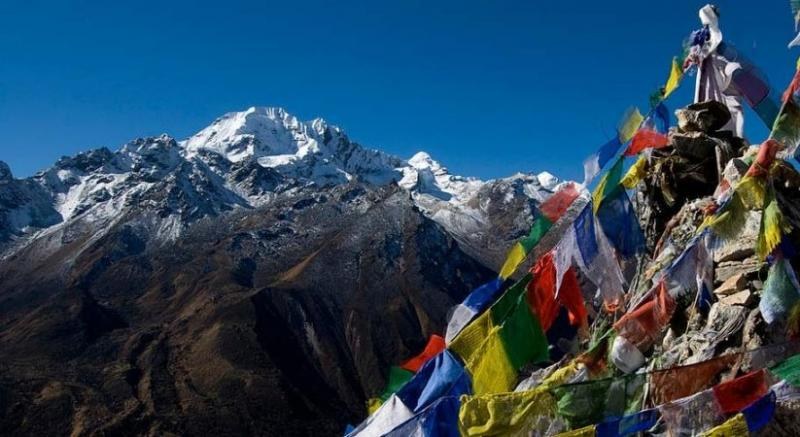
- Culture on the way: You pass monasteries, chortens, mani walls and prayer flags through Tamang villages.
- Built-in acclimatization: A rest day at Kyanjin Gompa, with side trips to Kyanjin Ri (4,600 m) and Tserko Ri (4,980 m), prepares your body for the climb.
Naya Kanga Peak Climbing Route Overview
The route starts with a scenic drive from Kathmandu to Dhunche (1,950 m). From there you trek through rhododendron and bamboo forest via Thulo Syabru and Lama Hotel to Langtang village and Kyanjin Gompa. After acclimatizing, you cross a wooden suspension bridge over the Langtang Khola and climb toward the Ganja La Pass. You then set up base camp, and later a high camp.
The summit push follows the north-west ridge. The route includes some steep snow and ice slopes, so expect a bit of real climbing on top of the walk. Afterwards you descend to Kyanjin Gompa and return to Kathmandu via Lama Hotel, Sherpa Gaun and Syabrubesi.
Naya Kanga Peak Climbing Itinerary (16 Days)
| Day | Route | Notes |
|---|---|---|
| 1 | Arrive in Kathmandu (1,300 m) | Hotel transfer and dinner |
| 2 | Kathmandu sightseeing and trek preparation | Gear check and briefing |
| 3 | Kathmandu to Dhunche (1,950 m) | 7–8 hrs drive, 117 km |
| 4 | Dhunche to Thulo Syabru (1,900 m) | 5–6 hrs walk |
| 5 | Thulo Syabru to Lama Hotel (2,470 m) | 5–6 hrs walk |
| 6 | Lama Hotel to Langtang (3,430 m) | 5–6 hrs walk |
| 7 | Langtang to Kyanjin Gompa (3,870 m) | 4–5 hrs walk |
| 8 | Acclimatization day at Kyanjin Gompa | Optional Kyanjin Ri or Tserko Ri hike |
| 9 | Kyanjin Gompa to Nyengang Kharka (4,430 m) | 4–5 hrs trek |
| 10 | Nyengang Kharka to High Camp (4,960 m) | 3–4 hrs, camping |
| 11 | Summit day: High Camp to Naya Kanga (5,846 m) and back | 9–10 hrs |
| 12 | High Camp to Kyanjin Gompa | 6–7 hrs trek |
| 13 | Kyanjin Gompa to Lama Hotel | 7–8 hrs trek |
| 14 | Lama Hotel to Syabrubesi via Sherpa Gaun (1,440 m) | 5–6 hrs walk |
| 15 | Syabrubesi to Kathmandu | 8–10 hrs drive, free afternoon |
| 16 | Final departure | Breakfast, airport transfer |
How Difficult Is Naya Kanga Peak Climbing?
The trip is graded moderate to difficult. The route is described as non-technical overall and suitable for beginner climbers, but summit day still includes steep snow and ice, and a long 9–10 hour day at high altitude.
Keep these points in mind:
- Fitness matters most. You will be walking for 5–8 hours on many days, so start cardio and hiking practice a couple of months before departure.
- Trekking experience helps. The package suits people who have already done multi-day treks.
- Altitude is the main risk. The itinerary builds in gradual gains and a rest day at Kyanjin Gompa, but you should still watch for symptoms and follow your guide's advice.
- Basic climbing skills are taught on the trip. Your Sherpa guide will brief you on crampons, ropes and ice axe use before the ascent.
Best Time for Naya Kanga Peak Climbing
The best seasons are spring (February to May) and autumn (September to November). Spring brings warmer days and blooming rhododendrons, while autumn offers crisp, clear skies and stable weather. Summer monsoon and deep winter make the route wetter or colder and are best avoided.
Accommodation and Meals
You stay in comfortable hotels in Kathmandu and in teahouses along the Langtang valley trail. At high camp you sleep in quality tents with mattresses, and a kitchen crew prepares hot meals. The package covers breakfast, lunch and dinner during the trek. Wi-Fi is available in some places.
Permits Required
- Nepal Mountaineering Association (NMA) climbing permit for the peak
- Langtang National Park entry permit
- TIMS or trekking permit, as required
Team Ram Adventure arranges all permits and paperwork as part of the package.
Naya Kanga Peak Climbing Cost
The package price is US$2,599 per person (listed from US$2,999, a saving of US$400). The operator advertises best-price guarantee, no booking fees and no hidden costs. Group size is 2–12 people.
Included:
- All airport and hotel transfers
- 3 nights in a Kathmandu hotel with breakfast
- Full-day city tour
- Ground transport from Kathmandu to the trailhead and back
- Meals during the trek and all mountain accommodation
- A government-registered English-speaking trekking guide, a climbing Sherpa guide, a cook, assistant guides (1 per 4 trekkers) and porters (1 per 2 trekkers)
- Permits and paperwork, plus all government and local taxes
- Sleeping, kitchen, dining and toilet tents with mattresses
- Team Ram Adventure medical kit
Not included:
- Lunch and dinner in Kathmandu
- City monument fees
- Bottled drinks, boiled water and hot showers
- Travel insurance and emergency evacuation
- Tips for guides, porters and drivers
What to Pack
Bring layered clothing, a down jacket, waterproof shell, insulated mountaineering boots, gloves, sun protection, a warm sleeping bag and trekking poles. Your operator can advise on renting technical gear such as crampons, harness and helmet.
Tips for a Successful Climb
- Train for endurance, with long hikes carrying a pack.
- Walk slowly, drink plenty of water and use the rest day to acclimatize fully.
- Buy travel insurance that covers high-altitude climbing and helicopter evacuation.
- Pick a licensed operator with experienced Sherpa guides.
- Add a few buffer days in Kathmandu in case of weather or transport delays.
Why Book with Team Ram Adventure?
Team Ram Adventure is a Kathmandu-based operator with a Tripadvisor presence. It provides government-registered guides, experienced climbing Sherpas, quality camping gear and a medical kit, along with responsive support (replies within 24 hours).
Ready to climb? Explore the full Naya Kanga Peak Climbing itinerary, send an inquiry, or book your dates today.
Frequently Asked Questions About Naya Kanga Peak Climbing
1. How high is Naya Kanga Peak, and where is it located?
Team Ram Adventure lists Naya Kanga Peak at 5,846 m (19,180 ft). Other sources quote slightly different figures, from about 5,844 m to 5,863 m. Such differences are common in the Himalayas because surveys and measurement methods vary. The peak lies in the Langtang region, inside Langtang National Park, north of Kathmandu. It stands east of Kyanjin Gompa (3,850 m) and west of the Ganja La Pass (5,110 m), and is also known as Ganja La Chuli. It is classed as a trekking peak, so no full expedition is needed.
2. Is Naya Kanga Peak suitable for beginners?
Yes, provided you are physically fit and have some multi-day trekking experience. The peak is non-technical overall, which is why it suits first-time climbers. Summit day does include some steep snow and ice slopes along the north-west ridge, so it is more than a simple walk. Your climbing Sherpa guide will brief you on the basics, and you will be roped up and supervised on the steeper sections. If you have never trekked at altitude, a shorter warm-up trek first would be a sensible idea.
3. How many days does Naya Kanga Peak Climbing take?
The Team Ram Adventure package takes 16 days from arrival to departure. That includes two days in Kathmandu for arrival and trek preparation, a 7–8 hour drive to Dhunche, about nine days of trekking and climbing, and a long drive back followed by your departure day. The plan includes an acclimatization rest day at Kyanjin Gompa and a full summit day. If you want a buffer against weather delays or want to add sightseeing, you can ask about extending your stay in Kathmandu.
4. How difficult is the climb, and how fit do I need to be?
The trip is graded moderate to difficult. The difficulty comes from length and altitude rather than technical climbing. Most trekking days are 4–8 hours of walking, and summit day takes around 9–10 hours from high camp and back. You should be comfortable hiking for several hours with a daypack on consecutive days. We recommend regular cardio training, such as hiking, running or cycling, for at least 8–12 weeks before departure, plus some stair or hill work with a loaded pack.
5. What is the best season for Naya Kanga Peak Climbing?
The two best windows are spring (February to May) and autumn (September to November). Spring offers milder temperatures and rhododendron blooms lower down, though afternoon clouds can build. Autumn typically brings clear skies, stable weather and sharp mountain views right after the monsoon. Summer (June–August) is wet and cloudy, and deep winter is very cold with more snow on the route, so both are usually avoided for this climb.
6. Do I need previous climbing experience?
Not necessarily. The peak is often chosen as a first climb, and you do not need prior mountaineering qualifications. What you do need is good fitness, trekking experience and a positive, disciplined attitude. Before the ascent, your guide will show you how to use basic equipment such as crampons, an ice axe, a harness and ropes. Some experience on snow or a short practice climb before the trip can build your confidence, but it is not compulsory.
7. Which permits do I need, and who arranges them?
You need two main permits: a Nepal Mountaineering Association (NMA) climbing permit for Naya Kanga Peak, and a Langtang National Park entry permit. Depending on the route, a trekking permit such as TIMS may also be required. NMA fees vary by season, so it is best to confirm current rates when booking. With Team Ram Adventure, permits and paperwork are handled for you and are included in the package price, so you only need to provide your passport details and photos before the trip.
8. How long is summit day, and what does it involve?
Summit day is the biggest day of the trip and takes roughly 9–10 hours round trip from high camp (4,960 m) to the summit (5,846 m) and back. You leave in the early hours, usually in the dark with headlamps, to have the best conditions on the snow. The route follows the north-west ridge, with steep snow and ice sections near the top. Expect a cold start, a steady pace and a rewarding summit panorama including Langtang Lirung, Shishapangma and the Jugal Himal. You then return to high camp to rest before descending the next day.
9. How do I prevent altitude sickness on this trek?
Altitude is the main health risk on any climb above 5,000 m. The itinerary is designed to help, with gradual daily height gains and a full acclimatization day at Kyanjin Gompa, where you can hike to Kyanjin Ri (4,600 m) or Tserko Ri (4,980 m) and return to sleep lower. To reduce your risk:
- Walk slowly and avoid rushing uphill.
- Drink plenty of water throughout the day.
- Avoid alcohol and smoking at altitude.
- Report headaches, nausea or dizziness to your guide straight away.
- Be ready to descend if symptoms get worse.
Your guides carry a medical kit and are trained to spot early warning signs.
10. What is included in the package, and what should I budget for separately?
The package is priced at US$2,599 per person (listed from US$2,999) and includes airport and hotel transfers, three nights in a Kathmandu hotel with breakfast, a city tour, all ground transport, meals during the trek, mountain accommodation (teahouses and camp), permits, a government-registered guide, a climbing Sherpa, a cook, assistant guides, porters, quality tents with mattresses, a medical kit and all government taxes. You should budget separately for lunch and dinner in Kathmandu, monument entry fees, bottled drinks, boiled water and hot showers, tips for the crew, and travel insurance that covers high-altitude climbing and helicopter evacuation.
11. Can I combine Naya Kanga with other Langtang treks?
Yes. The Langtang region is ideal for combinations, and many climbers pair the ascent with a longer valley trek. Good options include the Langtang Valley Trek, the Ganja La Pass Trekking route, or the Langtang, Gosainkunda Pass and Helambu Trek. Team Ram Adventure can customize the itinerary to your schedule and fitness level.
12. What other trekking peaks are similar to Naya Kanga?
If you want to compare or plan your next climb, consider Yala Peak in the same region for a shorter, gentler summit, Mera Peak in the Everest region for a higher and longer expedition, or Lobuche Peak via Everest Base Camp for a more technical challenge. Many climbers build up gradually, starting with Naya Kanga or Yala and then moving to higher peaks.
Notes on the trip page (worth fixing)
- The page title and image name say 15 days, but the package says 16 days.
- The inclusions mention a "Mera Peak climbing permit", which looks like a copy-paste error and should read Naya Kanga.
- Small typos: "Brfast", "Accomodation", "Kanjing Gompa" (vs. Kyanjin), and the day 15 drive is listed as 8–10 hrs for 132 km, while day 3 is 7–8 hrs for 117 km.
- The meta description says "19 miles north of Kathmandu", which is a straight-line figure and could confuse readers. Consider rewording it.
- Elevation differs across sources, so I used the page's 5,846 m and flagged the variation in the FAQ.
Ready to trek in the Himalayas?
Get itinerary guidance and local support from the Team Ram Adventure specialists.