
 Plan Your Trip Now

In This Guide
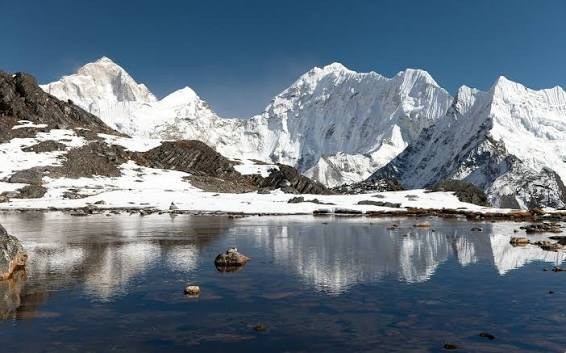
Mount Makalu (8,463 m) is the fifth-highest mountain on Earth, and its base camp sits in one of the quietest corners of the Nepal Himalaya. The trail runs through the Makalu Barun National Park in eastern Nepal. It has rhododendron forests, Rai and Sherpa villages, three high passes and a view of Makalu’s sharp pyramid at the end. You will see far fewer trekkers here than at Everest or Annapurna.
This guide covers the itinerary, cost, difficulty, best season and packing. It is based on our Makalu Base Camp Trek, which we run at Team Ram Adventure.
Makalu Base Camp Trek at a Glance
| Detail | Info |
|---|---|
| Trek duration | 13 days of trekking (about 20 days including Kathmandu days and buffer) |
| Highest point | Makalu Base Camp, 4,870 m |
| Optional side trip | Climb toward Advance Base Camp, about 5,500 m |
| Passes crossed | Gongar La (3,600 m), Shipton La (4,170 m), Keke La (4,125 m) |
| Grade | Moderate |
| Accommodation | Teahouse and camping |
| Group size | 2 to 12 trekkers |
| Best seasons | February to May and September to December |
| Starting point | Flight to Tumlingtar, then jeep to Num (1,560 m) |
| Price | From US$2,999 per person |
Why Trek to Makalu Base Camp?
- True wilderness. Most days pass through forest, rivers and small villages, not tourist towns.
- Big mountain views. Makalu, Chamlang, Baruntse, Kanchenjunga and Jannu all appear along the route.
- Cultural variety. You walk through Rai and Sherpa communities and learn how people live in the far east of Nepal.
- Spring rhododendrons. In March and April the Dobato valley is full of blossoms.
- Protected landscape. Makalu Barun National Park is rich in biodiversity, with trails that feel unspoiled.
Makalu Base Camp Trek Itinerary
Here is the route in day-by-day form. Elevations and timings are taken from our current itinerary and can shift with road and weather conditions.
Days 1 to 2: Arrive in Kathmandu and Prepare
You are met at Tribhuvan International Airport and transferred to your hotel. The next day is for last-minute gear checks, a trek briefing and, if needed, buying or renting equipment in Thamel.
Days 3 to 4: Fly to Tumlingtar, Then Drive to Num (1,560 m)
You fly from Kathmandu to Tumlingtar (410 m) and continue by local jeep through Khandbari, Manebhanjyang and Chichira toward Num. The road is bumpy and muddy, and in the monsoon or early October it may not be passable all the way. We allow two days to reach Num for that reason.
Day 5: Trek to Seduwa (1,500 m)
From Num you descend to the Arun River (about 760 m), cross a suspension bridge, then climb roughly 800 m to Seduwa. This is a Rai and Sherpa village, and the place where you register your permits for Makalu Barun National Park. Allow 4 to 5 hours of walking.
Day 6: Trek to Tashigaon (2,100 m)
The trail passes terraced fields, scattered houses and dense forest before reaching Tashigaon, a Sherpa village. It is the last village on the way up, so enjoy the cultural stop. Allow 4 to 5 hours.
Day 7: Trek to Khongma (3,500 m)
You enter dense forest where birdsong replaces village noise. The climb passes Danda Kharka (2,650 m), Wishisa (3,110 m) and Kongma Danda (3,500 m) before the camp at Khongma. Allow 4 to 5 hours.
Days 8 to 9: Acclimatization Option, Then Cross Three Passes to Dobato (3,862 m)
At 3,500 m, this is the first high sleeping altitude. If you feel unwell, take an extra night here and make a day hike. If you feel fine, continue over Gongar La, Shipton La and Keke La, passing Kalopokhari (the “black lake”) and Thulo Pokhara (the “big lake”). You descend to Dobato, a rhododendron forest crossroads, with Jannu visible to the east on clear days.
Day 10: Trek to Yangle Kharka (3,540 m)
The trail drops to the Barun Khola and follows the river. A landslide-prone section takes about an hour and needs care. After it, a wide meadow, waterfalls and the Chamlang view lead to Yangle Kharka. Allow 5 to 6 hours.
Day 11: Trek to Langmale (4,410 m)
You pass Ripuk, Tadhosa and Jack Kharka, with views of Pyramid Peak, Chamlang and other snow giants. You also cross a stream fed by Shiva’s Dhara waterfall. Allow 4 to 5 hours.
Day 12: Makalu Base Camp (4,870 m) and Advance Base Camp Side Trip
You pass Shersong (4,630 m) and watch Makalu rise ahead. After a wooden bridge over the Barun River, you reach base camp in roughly 3 hours. If energy and acclimatization allow, you can make a side trip toward Advance Base Camp, up to around 5,500 m. Staying overnight at base camp makes this side trip easier.
Days 13 to 18: Return to Tumlingtar
You retrace your route to Num and Tumlingtar. The return is faster, and your itinerary leaves buffer days for weather and road delays.
Days 19 to 20: Fly Back to Kathmandu and Depart
You fly from Tumlingtar to Kathmandu and transfer to your hotel, with a departure transfer on the final day.
Makalu Base Camp Trek Cost
The Makalu Base Camp Trek with Team Ram Adventure is currently US$2,999 per person (reduced from US$3,199). Remote treks in eastern Nepal cost more than classic routes because of the domestic flight, jeep logistics, camping crew and limited trailside infrastructure.
What the package includes:
- 3 nights in a tourist-standard Kathmandu hotel with breakfast
- An experienced guide and the required number of helpers
- Lodge or camping arrangements (lodges where possible, tented camp otherwise)
- Locally available meals, breakfast, lunch and dinner, during the trek
- All internal flights
- All trek logistics, including permits and transportation
What it doesn’t include:
- Lunch and dinner in Kathmandu
- Personal expenses
- Travel insurance (it must cover medical care and air ambulance)
- Tips for your trekking staff
When budgeting, also allow for international flights, your Nepal visa, personal gear and the buffer days in case flights or roads are delayed. You can check current availability and details on the Makalu Base Camp Trek page or send an inquiry.
How Difficult Is the Makalu Base Camp Trek?
Our trip is graded moderate, but it is a remote trek, so don’t read that as easy. These are the real challenges:
- Long, hilly days. Expect 4 to 6 hours of walking daily, with repeated ups and downs.
- Altitude. You sleep at 3,500 m by Day 7 and 4,410 m at Langmale, so symptoms of altitude sickness are a genuine risk.
- Three passes. Gongar La, Shipton La and Keke La come in a single stretch.
- Remoteness. There are fewer lodges, fewer rescue options and a slower route out if something goes wrong.
- Landslide section. The Barun Valley segment needs focus and steady footing.
- No technical climbing. You don’t need ropes or crampons for the base camp itself.
The trek suits people who have trekked in Nepal before or who can walk 6 to 7 hours a day. If you are newer to trekking, consider building up with the Annapurna Base Camp Trek first.
Best Time for the Makalu Base Camp Trek
- Spring (March to May): Blooming rhododendrons, longer days and good mountain visibility. The Dobato valley is at its best.
- Autumn (September to December): Clear skies and stable weather. Early October may still have muddy road conditions.
- Monsoon (June to August): Heavy rain, leeches and landslide risks. Not recommended.
- Deep winter: Cold nights and snow on higher sections make the passes harder.
Essential Tips Before You Go
- Build in extra days. Domestic flights and the jeep road can both run late. Keep buffer time before any international flight home.
- Acclimatize properly. Take the spare night at Khongma if you have any symptoms.
- Train for stamina. Hill hikes, stair climbing and loaded-pack walks for 6 to 8 weeks help a great deal.
- Pack for cold nights. You need a four-season down sleeping bag, a down jacket, thermal layers and waterproof boots.
- Carry insurance that fits. Check that it covers high-altitude trekking and air ambulance.
- Respect the park. Carry out non-biodegradable waste and follow your guide’s advice on local customs.
Our full equipment list is on the trip page, and most gear can be rented or bought in Thamel, Kathmandu.
Makalu Base Camp Trek FAQs
1. How many days does the Makalu Base Camp Trek take?
The trekking part takes 13 days, and with arrival, preparation, return flights and buffer days, the full program runs about 20 days. The extra days matter because the Tumlingtar flight and the jeep road can both be delayed by weather, especially early in the post-monsoon season.
2. How much does the Makalu Base Camp Trek cost?
Our current price is US$2,999 per person, with a saving of US$200 off the earlier US$3,199. It covers Kathmandu hotel nights, an experienced guide and helpers, lodge or camping arrangements, local meals on the trek, internal flights, permits and trek logistics. Insurance, Kathmandu lunches and dinners, personal expenses and tips are extra.
3. How difficult is the Makalu Base Camp Trek?
It is a moderate trek with a real remote-wilderness feel. There is no technical climbing, but you walk 4 to 6 hours a day over steep, undulating ground, cross three passes and sleep above 4,000 m. Fitness and previous trekking experience make a big difference, and the trek is best for people who can walk 6 to 7 hours a day.
4. What is the highest altitude on the trek?
Makalu Base Camp is at 4,870 m. If you do the optional side trip toward Advance Base Camp, you can reach about 5,500 m. The three passes reach 4,170 m (Shipton La), 4,125 m (Keke La) and 3,600 m (Gongar La).
5. When is the best time to trek to Makalu Base Camp?
The best windows are February to May and September to December. Spring brings rhododendron blossoms, especially in March and April, and autumn brings clear skies. The monsoon (June to August) is a poor choice because of rain, leeches and landslides.
6. Do I need a permit for the Makalu Base Camp Trek?
Yes. You need national park permits for Makalu Barun National Park, and you register at Seduwa. Our package arranges the required permits and trek logistics, so you don’t deal with the paperwork yourself.
7. Is the Makalu Base Camp Trek teahouse or camping?
It is a mix of both. Lodges are used wherever they exist, and a tented camp is used where they don’t. The trek has limited facilities compared with Everest or Annapurna, so a camping crew and kitchen support keep the trek flexible and comfortable.
8. How do I get to the start of the trek?
You fly from Kathmandu to Tumlingtar (410 m), then take a local jeep to Num (1,560 m). The jeep ride takes about 4 to 5 hours on a bumpy road. In the monsoon or early October, you may need to stop earlier and walk, which is why we allow two days.
9. How do I avoid altitude sickness on the Makalu Base Camp Trek?
Go up gradually, drink plenty of water, avoid alcohol and tell your guide about any symptoms early. The itinerary has a built-in acclimatization option at Khongma (3,500 m), and you should take it if you have a headache, poor sleep or nausea. If symptoms get worse, the only safe answer is to descend.
10. Is the Makalu Base Camp Trek suitable for beginners?
It is not the best first trek in Nepal. The remoteness, altitude and consecutive passes suit people with some trekking experience. A first-timer with strong fitness and the right guidance can do it, but a gentler route first, such as the Annapurna Base Camp Trek, is a sensible way to build confidence.
Final Thoughts
The Makalu Base Camp Trek is for people who want a real wilderness journey: forest trails, mountain passes, small villages and a close view of one of the world’s great peaks. It asks for good preparation and patience with the logistics, and it gives you a Himalayan trek with very few crowds in return.
If you want to keep exploring the east, look at the Kanchenjunga Base Camp Trek or the Kanchenjunga Circuit Trek, or browse all Eastern Region treks.
Ready to plan? View the full details on the Makalu Base Camp Trek page, send an inquiry, or customize your trip. You can also learn why to book with us or read more on the Team Ram Adventure blog.
Ready to trek in the Himalayas?
Get itinerary guidance and local support from the Team Ram Adventure specialists.