
 Plan Your Trip Now

In This Guide
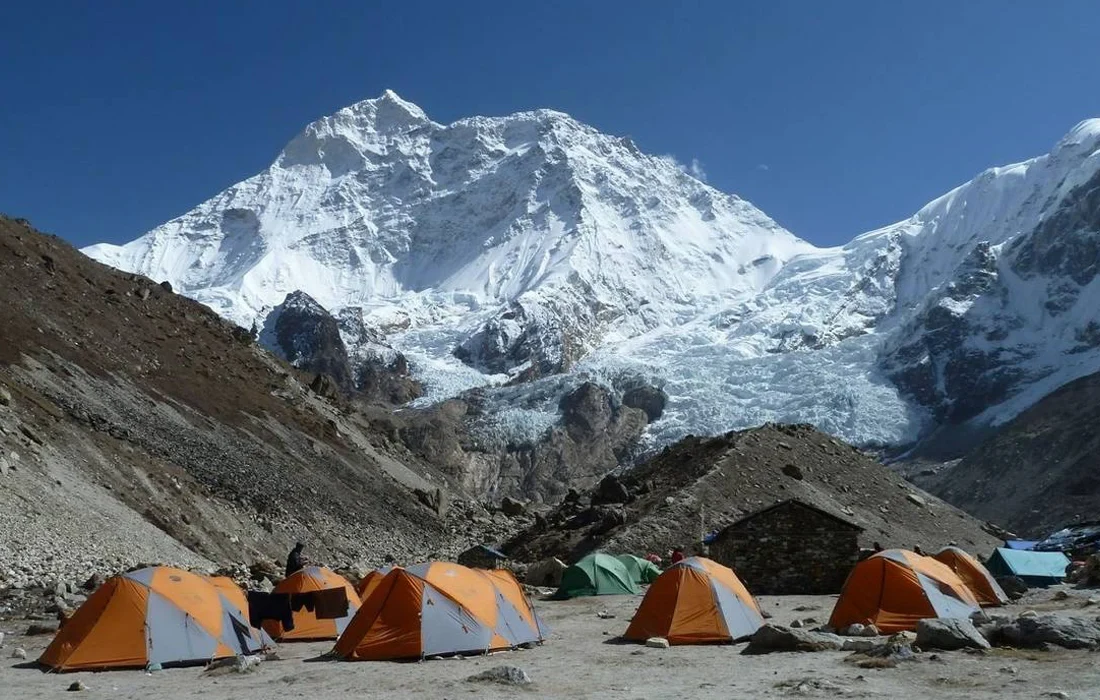
Makalu Base Camp sits at the foot of the world’s fifth-highest mountain, Makalu (8,463 m), deep inside Nepal’s Makalu-Barun National Park. It has a reputation as one of the country’s most rewarding and least crowded treks, and also one of its toughest. Trekkers who walk it describe empty trails, wild valleys and huge mountain views. They also describe steep climbs, thin air, basic lodging and a long way from help.
So what makes the Makalu Base Camp Trek challenging, and is it right for you? This guide explains the real difficulty factors so you can prepare with confidence. To see a guided itinerary with the route and inclusions, visit the Makalu Base Camp Trek page.
Makalu Base Camp Trek at a Glance
| Feature | Details |
|---|---|
| Region | Makalu-Barun National Park, eastern Nepal |
| Base camp altitude | Roughly 4,800 to 5,050 m, depending on the source and exact camp |
| Typical length | About 17 to 22 days, including travel |
| Difficulty | Strenuous |
| Crowds | Very low compared with Everest or Annapurna |
| Best seasons | March to April and October to November |
Quoted elevations differ between operators, because the camp location and measurement methods vary. Check your own itinerary for the exact figures.
1. Remote Location and Difficult Access
Remoteness is the first challenge, and it shapes everything else. The journey begins with a flight from Kathmandu to Tumlingtar, then a drive to Num, where the trek itself starts. That means extra travel before you even take your first step, and weather can delay flights.
Once you are on the trail, you are far from roads, hospitals and rescue bases. The route is an off-the-beaten-path trek in a remote region, which offers solitude and a sense of adventure. The same quiet that makes it special also means fewer villages, fewer trekkers to share the trail with and a longer wait if something goes wrong.
Why it matters: Emergency evacuation takes longer and costs more here. Good insurance, a strong guide team and a conservative attitude matter more than on busy routes.
2. Steep, Rugged and Long Trail Days
The trail rises through subtropical forest, rhododendron woodland and alpine valleys, and it does so steeply. One trekker notes that Makalu is slightly more difficult than Everest Base Camp or the Annapurna Circuit, because of the incline, remoteness and rugged trails.
Expect:
- Long days: Many stages take 6 to 7 hours. Even the push to base camp is listed as 6 to 7 hours.
- Steep ascents and descents: The early section climbs sharply from the lower valley toward Khongma Danda, with big elevation changes.
- Rough terrain: Stone steps, forest paths, moraine, rocky ridges and river crossings.
- Fewer easy rest days: The route is demanding, and the trail does not slow down for you.
3. High Passes and Big Elevation Swings
The route over the Shipton La section adds technical-feeling variety. One itinerary crosses the Khongma La, Shipton La and Keke La passes on a single day of trekking. That is a high, exposed and tiring stretch, often with cold wind and variable footing.
Each pass means a climb, a descent and another climb, so your legs and lungs work hard. Some routes also have steep downhills that stress knees. Trekking poles, good boots and strong quads make a real difference.
4. Altitude and Acclimatization
High altitude is the factor that turns a long walk into a serious challenge. Typical sleeping altitudes along the way include:
| Stop | Approx. Altitude |
|---|---|
| Khongma Danda | 3,500 m |
| Yangri Kharka | 3,557 m |
| Langmale Kharka | 4,410 m |
| Makalu Base Camp | About 4,870 m |
A typical itinerary includes an acclimatization day at Khongma Danda (3,500 m) and a rest day at base camp. The jump from Yangri Kharka to Langmale Kharka and then to base camp comes late in the trek, when you are already tired.
A common mountain-medicine guideline is to limit sleeping-altitude gain to about 500 m per day above 3,000 m, with regular rest days. Warning signs include headache that does not ease, nausea, dizziness, unusual tiredness, poor sleep and breathlessness at rest. Tell your guide early, and descend if symptoms worsen.
5. Changeable Mountain Weather
Weather in the Makalu region can change quickly. Cold nights, strong wind, snow on the upper trail and heavy rain lower down are all possible. The peak seasons are March to April and October to November, while the rainy season from June to August should be avoided.
In the wet months, the lower sections bring leeches, mud and landslides. In winter, high camps get very cold and snow can block passes. Even in good seasons, you need layers for warm days and freezing mornings.
6. Basic Lodging, Food and Facilities
Makalu is less developed than the Everest or Annapurna trails. Accommodation is a mix of lodges and tent camps. Expect simple rooms, shared bathrooms, cold nights and limited menus. Hot showers, charging points and internet are scarce or unreliable at higher camps.
This can be a pleasant part of the adventure, but it is a challenge for anyone used to comfort. Bring a warm sleeping bag, spare power banks, water purification and patience.
7. Physical and Mental Demands
The trek asks for strength, stamina and a calm mind. One operator rates it strenuous and suitable for fit individuals with regular mountain-walking experience. The mental side matters too:
- Long days with few distractions
- Cold, tired evenings at altitude
- Interrupted sleep
- Flexibility when plans change
If you enjoy slow, steady effort and can stay positive when conditions are tough, you will do well.
Is Makalu Harder Than Everest Base Camp?
For most trekkers, yes. Everest Base Camp has more lodges, more helicopter access, more trekkers and a clearer trail. Makalu has steeper days, fewer services and more remoteness. The payoff is quiet. The Makalu trek is less crowded than the Everest trail, allowing a more relaxed journey with more places to explore. If you want solitude and raw wilderness, the extra effort is worth it.
How to Prepare for the Makalu Base Camp Trek
Training (12 to 16 weeks ahead)
- Build cardio fitness with running, cycling or fast hiking
- Add stair climbing and hill walks with a loaded daypack
- Train legs for long downhills with lunges and step-downs
- Do back-to-back long hikes to prepare for consecutive days
Gear
- Broken-in waterproof boots and warm socks
- Layers, down jacket, gloves, hat and sun protection
- A sleeping bag rated for cold nights
- Trekking poles, headlamp and water purification
Practical preparation
- Choose an itinerary with an acclimatization day and a base camp rest day
- Buy insurance that covers trekking to at least 5,000 m, including helicopter evacuation
- Talk to a travel doctor about altitude medication
- Keep one or two spare days at the end for flight delays
You can compare a guided plan with the Makalu Base Camp Trek itinerary.
Who Should and Should Not Attempt It?
Good fit:
- Trekkers with previous multi-day or high-altitude experience
- Strong walkers who want a quiet, off-the-beaten-path route
- People who accept basic lodging and a long trip
Think twice if you:
- Have never trekked above 3,500 m
- Need guaranteed comfort and fast access to help
- Have limited time and no buffer days
- Have untreated heart, lung or knee problems
Frequently Asked Questions
How difficult is the Makalu Base Camp Trek?
It is strenuous. The trek has steep climbs, long days, high passes and remote terrain, so good fitness and some trekking experience are important.
Is Makalu harder than Everest Base Camp?
Usually, yes, because of the steeper trail, remoteness and simple facilities, though altitude on both routes is significant.
How long does the Makalu Base Camp Trek take?
Most itineraries take about 17 to 22 days from Kathmandu, including the flight to Tumlingtar and a base camp rest day.
Do I need a guide and permits?
Yes. You need national park and local permits, and trekking with a registered operator is strongly recommended. Your trekking company arranges them.
What is the best time for Makalu Base Camp?
March to April and October to November are the best seasons. Avoid the monsoon from June to August.
Can beginners do it?
It is not ideal for first-time trekkers. Start with a lower-altitude route first, then build up to Makalu.
The Verdict
The Makalu Base Camp Trek is challenging because it combines remote access, steep terrain, high passes, serious altitude, changeable weather and basic facilities. None of these factors alone is extreme. Together they make a demanding, rewarding journey. If you prepare well, choose a sensible itinerary and respect the altitude, you will be rewarded with a rare Himalayan experience, standing at the foot of the fifth-highest mountain on Earth with very few other people around.
Ready to plan your adventure? View the itinerary, dates and inclusions for the Makalu Base Camp Trek, or contact the team to discuss training, season and group size.
Ready to trek in the Himalayas?
Get itinerary guidance and local support from the Team Ram Adventure specialists.