 Plan Your Trip Now
In This Guide
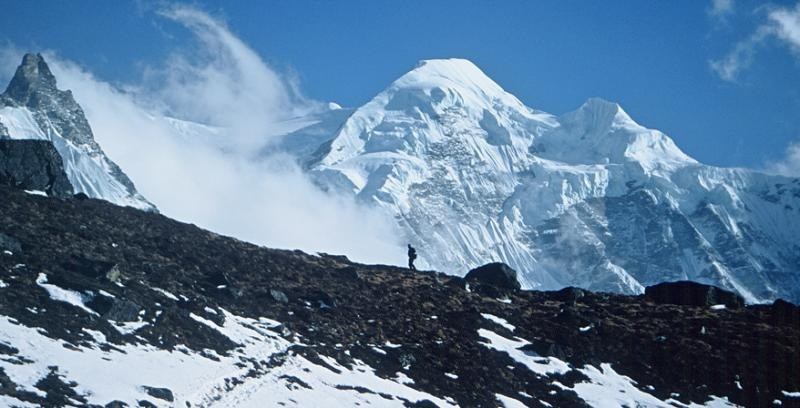
Rising above the traditional stone village of Pisang in the Annapurna region, Pisang Peak is one of Nepal's most photogenic and accessible 6,000 m summits. At 6,091 m, it offers a genuine taste of Himalayan mountaineering, complete with glacier travel, fixed ropes and a real summit push, without demanding years of technical climbing experience beforehand.
What makes Pisang Peak stand out is how naturally it combines with one of the world's classic treks. The approach follows the Annapurna Circuit through Besisahar, Chame and Pisang village, and the descent continues over the legendary Thorong La Pass to Muktinath. Climb the peak, cross the pass, and you come away with two major Himalayan achievements in a single journey.
This guide covers the full 22-day itinerary, cost breakdown, permits, difficulty and the best time to climb. To see current pricing, inclusions and departure options as you read, visit the Pisang Peak Climbing page.
Pisang Peak at a Glance
| Detail | Information |
|---|---|
| Summit altitude | 6,091 m (19,985 ft) |
| Location | Annapurna Himalayan Range, Manang district, Nepal |
| NMA classification | Group A climbing peak |
| First ascent | German expedition, 1955 |
| Duration | 22 days (Kathmandu to Kathmandu) |
| Grade | Moderate to difficult |
| Base Camp | Kharka, around 4,380 m |
| High Camp | South-West Ridge, around 5,400 m |
| Best seasons | March–May and September–December |
| Accommodation | Teahouse on the approach, camping near the peak |
| Group size | 2–12 people |
| Also crosses | Thorong La Pass (5,416 m) on the return route |
Why Choose Pisang Peak?
A genuine first Himalayan summit. Pisang Peak's gentle snow and ice slopes make it a favored choice for climbers taking their first steps into 6,000 m mountaineering, while still delivering real glacier travel and a proper summit day.
Spectacular panoramic views. From the summit, you look out across some of the world's highest peaks: Annapurna I (8,091 m), Dhaulagiri (8,167 m), Manaslu (8,163 m), Nilgiri (7,041 m) and Tilicho Peak, among others.
Combines two classic adventures in one trip. The approach follows the Annapurna Circuit, and the descent continues over Thorong La to Muktinath, so you get a full trekking circuit plus a genuine peak summit.
Cultural immersion. The route passes through Gurung and Tibetan-influenced villages, including Pisang itself, offering insight into local traditions alongside the mountaineering challenge.
Accessibility. Compared with more remote 6,000 m peaks, Pisang is relatively easy to reach, with good teahouse infrastructure on the approach and an established climbing route.
22-Day Pisang Peak Climbing Itinerary
| Day | Route | Elevation |
|---|---|---|
| 1 | Arrival in Kathmandu | 1,350 m |
| 2 | Rock climbing course and briefing at Balaju | 1,350 m |
| 3 | Drive from Kathmandu to Besisahar | 850 m |
| 4 | Trek from Besisahar to Bahundanda | 1,310 m |
| 5 | Trek from Bahundanda to Chamje | 1,430 m |
| 6 | Trek from Chamje to Dharapani | 1,950 m |
| 7 | Trek from Dharapani to Chame | 2,630 m |
| 8 | Trek from Chame to Upper Pisang | 3,700 m |
| 9 | Acclimatization day at Upper Pisang | 3,700 m |
| 10 | Trek to Pisang Peak Base Camp | 4,380 m |
| 11 | Trek to Pisang Peak High Camp | 5,400 m |
| 12 | Summit Pisang Peak, return to Base Camp | 6,091 m |
| 13 | Trek from Base Camp to Manang Valley | 3,540 m |
| 14 | Trek from Manang to Yak Kharka | 4,110 m |
| 15 | Trek from Yak Kharka to Thorong Phedi | 4,600 m |
| 16 | Cross Thorong La Pass to Muktinath | 5,416 m pass |
| 17 | Trek from Muktinath to Jomsom | 2,800 m |
| 18 | Contingency / exploration day | 2,800 m |
| 19 | Flight from Jomsom to Pokhara | 850 m |
| 20 | Drive or fly to Kathmandu | 1,350 m |
| 21 | Kathmandu valley sightseeing and farewell dinner | 1,350 m |
| 22 | Final departure | – |
Route Highlights in Detail
Days 1–2: Preparation in Kathmandu. After arrival, you complete a rock climbing course and safety briefing at Balaju, a well-known practice site near the city, to refresh key climbing skills before heading to the mountains.
Days 3–7: Approach along the Annapurna Circuit. The trek follows the classic route through Bahundanda, Chamje, Dharapani and Chame, gaining altitude steadily through forest and river valleys with views of Manaslu and Annapurna II.
Days 8–9: Upper Pisang and acclimatization. You reach Upper Pisang village, with its striking Tibetan-style architecture, and spend a rest day acclimatizing before heading toward the peak.
Days 10–11: Base Camp to High Camp. From Base Camp at Kharka (4,380 m), amidst sparse woods and pasture, you climb to High Camp on the South-West Ridge at around 5,400 m, where climbing training and final preparations take place.
Day 12: Summit day. You leave High Camp in the early hours for the push to the 6,091 m summit, crossing glaciated terrain with crampons and a rope before descending back to Base Camp the same day.
Days 13–16: Onward to Thorong La. Rather than retracing your steps to Kathmandu, the route continues through Manang, Yak Kharka and Thorong Phedi, before crossing Thorong La Pass (5,416 m) to Muktinath, a sacred site for both Hindus and Buddhists.
Days 17–22: Return via Jomsom and Pokhara. The trek concludes in Jomsom, followed by a flight to Pokhara, a return to Kathmandu, and a final day of sightseeing and celebration before departure.
This itinerary can be customized based on your fitness, available time and preferences. Contact Team Ram Adventure to discuss a shorter or extended version.
Permits for Pisang Peak Climbing
Climbing Pisang Peak requires three separate permits, all arranged through a registered trekking and climbing agency.
| Permit | Purpose |
|---|---|
| NMA Climbing Permit | Required for climbing Pisang Peak itself, since it is classified as an NMA Group A peak |
| Annapurna Conservation Area Permit (ACAP) | Required for trekking through the Annapurna Conservation Area |
| TIMS Card | Tracks trekkers for safety purposes |
Permit Costs
The Nepal Mountaineering Association revised its trekking-peak fees effective 1 September 2025. Several 2026 sources now classify Pisang Peak as a Group A peak, with fees of approximately US$400 in spring, US$200 in autumn, and US$100 in winter and summer. Older listings placed Pisang in a lower fee bracket, so always confirm the current rate with your operator when booking, since classifications and fees are periodically revised.
The ACAP costs approximately NPR 3,000 (about US$25), and the TIMS card carries a smaller additional fee. Climbing permits can only be obtained through a government-registered agency, and your agency handles this process as part of your package.
Key Permit Rules
- Agency required. You cannot climb Pisang Peak independently. A licensed climbing guide and a registered agency are mandatory.
- Group size. Most operators require a minimum of 2 climbers, with groups typically capped around 12.
- Documents needed. A valid passport (at least six months remaining), passport-sized photos, and proof of climbing and rescue insurance.
- Route paperwork. Your agency will also handle checkpoint registration along the Annapurna Circuit portion of the route.
How Difficult Is Pisang Peak?
We rate Pisang Peak moderate to difficult. It is often described as an entry-level 6,000 m peak, but that description can understate the real demands involved.
What Makes It Manageable
- The climbing route involves mostly straightforward glacier travel with a steeper section near the summit.
- Basic climbing skills, including crampon use, rope work and ice axe technique, are refreshed during the Kathmandu training day and reinforced at High Camp.
- The approach follows well-established teahouse trails with good infrastructure.
What Makes It Challenging
- You sleep above 5,000 m at High Camp, and summit day itself reaches 6,091 m.
- Summit day is long, cold and physically demanding, with glacier travel and a fixed-rope section near the top.
- The 22-day itinerary is a significant time and fitness commitment.
- Weather and wind can change quickly at altitude, and your guide's judgment on summit day is final.
Who Is This Climb For?
Pisang Peak suits climbers in good physical condition with some previous high-altitude trekking experience. Prior use of crampons and an ice axe, ideally from a winter mountaineering course or a trek above 4,000 m, is a strong asset, though not always mandatory given the training built into the itinerary.
Training Tips
- Build cardiovascular fitness with 3–4 sessions a week for at least 8–12 weeks before departure.
- Include long hikes with a loaded daypack to build stamina for multi-hour trekking and climbing days.
- Practice with crampons and an ice axe beforehand if possible, even at a local climbing gym or on a snowy hillside.
- Strengthen your legs and core for the steep sections near High Camp and the summit.
Altitude and Acclimatization
With High Camp at 5,400 m and the summit at 6,091 m, altitude is the central safety consideration on this climb.
How the itinerary helps. The route includes a dedicated acclimatization day at Upper Pisang (3,700 m) before you begin the climb, and the approach through Chame and Pisang gains altitude gradually along an already well-tested trekking route.
Tips for reducing your risk:
- Walk at a slow, steady pace, especially above 4,000 m.
- Drink 3–4 liters of water daily.
- Avoid alcohol and sleeping pills at altitude.
- Eat well, even if your appetite drops.
- Report headache, nausea, dizziness or unusual fatigue to your guide early.
- Descend immediately if symptoms worsen, including confusion, loss of balance or breathlessness at rest.
- Buy travel insurance covering climbing to at least 6,500 m and emergency helicopter evacuation.
Best Season for Pisang Peak Climbing
| Season | Conditions | Notes |
|---|---|---|
| Spring (March–May) | Warmer temperatures, generally stable weather | Popular climbing window with good visibility |
| Autumn (September–December) | Clear skies, crisp air, excellent mountain views | Considered one of the best periods overall |
| Winter (December–February) | Very cold, snow likely at higher elevations | Possible for experienced climbers, but conditions are harsher |
| Monsoon (June–August) | Heavy rain, poor visibility, higher avalanche risk | Not recommended |
The operator lists all seasons except monsoon as viable for this climb, with March to May and September to December offering the most reliable conditions.
Cost of Pisang Peak Climbing
Pricing for Pisang Peak climbing depends on group size, season and the exact services included. The trip is currently listed at US$2,999 per person, discounted from a standard rate of US$3,299. Check the current price and departure options before you plan, as offers and group rates change.
Typically included:
- Airport pickups and drops by private vehicle
- 4 nights' hotel accommodation in Kathmandu, twin sharing, with breakfast
- A full day guided sightseeing tour in Kathmandu
- Domestic flights and airport taxes
- All required personal and group climbing equipment and gear
- Insurance for all staff, including porters
- All meals and accommodation during the trekking and climbing period
- An experienced, government-trained trekking and climbing guide
- Sherpa support staff, cook, porters and other crew
- The peak climbing permit, government procedures and local taxes
- Seasonal fresh fruit each evening after dinner
- High-quality camping equipment for the climbing section
- Travel and rescue arrangements
- Welcome and farewell dinners at a typical Nepalese restaurant
Typically not included:
- Nepal visa fees and international airfare
- Lunch and dinner in Kathmandu
- Travel and medical insurance, including emergency evacuation cost
- Personal climbing equipment, gear and clothing
- A personal climbing guide, if requested
- A portable altitude chamber (PAC) or supplemental oxygen
- Climbing food and excess baggage charges
- Personal expenses: phone calls, bar bills, extra porters
- Tips for guides, porters and drivers
Accommodation, Food and Connectivity
Accommodation. You stay in comfortable teahouses along the Annapurna Circuit approach and return route, with camping used at Base Camp, High Camp and during the summit push, where teahouse infrastructure does not extend.
Food. Full board meals are provided throughout, mixing Nepali staples like dal bhat with international options at lower elevations. Meals become simpler and more calorie-focused at Base Camp and High Camp, where your climbing crew prepares food suited to high-altitude conditions.
Water. Treat or boil all drinking water. Bring purification tablets or a filter as backup.
Connectivity. Wi-Fi is generally available in teahouses along the Annapurna Circuit sections, though it becomes unreliable or unavailable at Base Camp, High Camp and along the Thorong La crossing.
What to Pack
Because this itinerary combines teahouse trekking with technical high-altitude camping, your gear list needs to cover both.
- Climbing equipment: insulated, crampon-compatible mountaineering boots, crampons, an ice axe, a climbing harness, a helmet, and a jumar (ascender) for fixed-rope sections
- Layers: thermal base layers, a fleece or soft-shell mid layer, a down jacket rated for extreme cold, and a waterproof, windproof outer shell
- Hands and head: liner gloves and warm insulated mittens, a warm hat, a balaclava or buff, sunglasses with high UV protection, and glacier goggles
- Sleeping: a sleeping bag rated to -20°C or lower, suitable for High Camp conditions
- Other essentials: trekking poles, a headlamp with spare batteries, a daypack, two water bottles, high-SPF sunscreen and lip balm, and a personal first-aid kit
Most technical climbing gear, such as crampons, ice axes, harnesses and ropes, is provided as part of the group equipment included in your package. Personal clothing and boots are your own responsibility.
Frequently Asked Questions
1. How high is Pisang Peak, and where is it located?
Pisang Peak stands at 6,091 m (19,985 ft) in the Annapurna Himalayan range, within Manang district in north-central Nepal. It rises directly above the traditional stone village of Pisang, forming a distinctive pyramid shape visible from the Annapurna Circuit trail below. The peak is classified as an NMA Group A climbing peak, and its first ascent was achieved by a German expedition in 1955. Its location along the established Annapurna Circuit route is part of what makes it one of the more accessible 6,000 m peaks in Nepal.
2. How long does the Pisang Peak climb take?
The standard itinerary runs 22 days from Kathmandu to Kathmandu. This includes 2 days of preparation and training in Kathmandu, roughly 6 days approaching via the Annapurna Circuit, 3 days for the climb itself (Base Camp, High Camp and summit day), and the remaining days covering the descent over Thorong La Pass to Muktinath, the return through Jomsom and Pokhara, and final sightseeing before departure. The itinerary can be customized to a shorter or longer duration depending on your fitness level and available time. See the full day-by-day itinerary for details.
3. Do I need previous mountaineering experience to climb Pisang Peak?
Not extensive experience, though some previous high-altitude trekking is recommended. A rock climbing course and safety briefing at Balaju, near Kathmandu, refreshes essential skills like crampon use, rope work and ice axe technique before you head to the mountains, and these are reinforced again at High Camp before the summit push. That said, prior experience with crampons and an ice axe, ideally gained on a winter mountaineering course or a trek above 4,000 m, is a strong asset and makes the climb considerably more comfortable. Complete beginners to mountaineering can still attempt Pisang Peak given the training built into the itinerary, but should go in with realistic expectations about the physical and technical demands.
4. How difficult is Pisang Peak compared to other trekking peaks?
Pisang Peak is rated moderate to difficult. It's often described as an entry-level 6,000 m peak, which is broadly accurate, but this label can understate the real demands involved. The climbing route itself involves mostly straightforward glacier travel with a steeper section near the summit, manageable with basic skills. What makes it genuinely challenging is sleeping above 5,000 m at High Camp, a long and cold summit day involving glacier travel and a fixed-rope section, and the overall 22-day time and fitness commitment. Compared to peaks like Mera or Island Peak, Pisang is considered technically similar but benefits from being directly on the well-established Annapurna Circuit trekking route.
5. What permits are required for Pisang Peak climbing, and how much do they cost?
Three permits are required:
- NMA Climbing Permit — required since Pisang is an NMA Group A peak
- Annapurna Conservation Area Permit (ACAP) — required for trekking through the conservation area, approximately NPR 3,000 (about US$25)
- TIMS Card — tracks trekkers for safety purposes
The Nepal Mountaineering Association revised its trekking-peak fees effective 1 September 2025. Current 2026 sources classify Pisang as Group A, with fees of approximately US$400 in spring, US$200 in autumn, and US$100 in winter and summer. Always confirm the current rate with your operator, since fee structures are periodically revised. All permits are arranged through your registered climbing agency as part of your package.
6. What is the best time of year to climb Pisang Peak?
Spring (March to May) and autumn (September to December) offer the most reliable conditions for climbing Pisang Peak. Spring brings warmer temperatures and generally stable weather, while autumn is considered one of the best windows overall, with clear skies, crisp air and excellent mountain visibility. Winter (December to February) is possible for experienced climbers but comes with much colder temperatures and a higher likelihood of snow at elevation. The monsoon season (June to August) is not recommended, due to heavy rain, poor visibility and increased avalanche risk on the glaciated sections.
7. What does summit day involve?
Summit day begins at High Camp (around 5,400 m) on the South-West Ridge, typically with an early start to reach the top and descend before afternoon weather deteriorates. The route involves crossing glaciated terrain, so climbers rope up and use crampons throughout, with a fixed-rope section using a jumar near the steeper part of the climb close to the summit. Reaching the top at 6,091 m rewards climbers with panoramic views of Annapurna I, Dhaulagiri, Manaslu, Nilgiri and Tilicho Peak. After summiting, the standard itinerary has climbers descend all the way back to Base Camp the same day, making it a long and physically demanding push overall.
8. Is altitude sickness a serious concern on this climb?
Yes, given that High Camp sits at 5,400 m and the summit reaches 6,091 m. The itinerary is designed with this in mind, including a dedicated acclimatization day at Upper Pisang (3,700 m) before the climbing phase begins, and a gradual approach through Chame and Pisang along an already well-established trekking route. To reduce risk: walk at a slow, steady pace above 4,000 m, drink 3-4 liters of water daily, avoid alcohol and sleeping pills, eat well even without appetite, and report symptoms like headache, nausea or dizziness to your guide early. Confusion, loss of balance or breathlessness at rest require immediate descent. Given the altitudes involved, travel insurance covering climbing to at least 6,500 m and emergency helicopter evacuation is essential.
9. Does this trip include the Annapurna Circuit and Thorong La Pass?
Yes, and this is one of the trek's biggest draws. Rather than climbing Pisang Peak and retracing the same route back to Kathmandu, the itinerary continues from Base Camp through Manang, Yak Kharka and Thorong Phedi, then crosses the famous Thorong La Pass (5,416 m) to reach Muktinath, a sacred pilgrimage site for both Hindus and Buddhists. This means climbers complete two major Himalayan achievements in one journey: a 6,000 m summit and one of the world's most celebrated high-altitude pass crossings, all within a single 22-day trip.
10. What is included in the cost, and what isn't?
The trip is currently listed at US$2,999 per person, discounted from a standard rate of US$3,299. It typically includes:
- Airport transfers and 4 nights' hotel accommodation in Kathmandu with breakfast
- A guided Kathmandu sightseeing tour and domestic flights
- All required group climbing equipment and gear
- Full meals and accommodation during the trekking and climbing period
- An experienced, government-trained climbing guide, Sherpa support, cook and porters
- The peak climbing permit, government procedures and local taxes
- Travel and rescue arrangements, plus welcome and farewell dinners
It typically excludes your Nepal visa and international airfare, lunch and dinner in Kathmandu, travel and medical insurance, personal climbing gear and clothing, supplemental oxygen or a portable altitude chamber, and tips for guides and porters. Check the current price and inclusions before booking.
11. What type of accommodation should I expect during the trip?
Accommodation varies by stage of the trek. Along the Annapurna Circuit approach and the return route through Manang, Yak Kharka, Muktinath and Jomsom, you stay in comfortable teahouses with proper beds and meals. Once you move beyond Upper Pisang toward Base Camp, High Camp and the summit push, teahouse infrastructure ends and the trip switches to camping, using group tents, kitchen equipment and dedicated camping crew provided as part of your package. This combination of teahouse comfort on the trekking sections and camping for the technical climbing phase is typical for trekking peak expeditions in Nepal.
12. What climbing equipment do I need to bring myself versus what's provided?
Most technical group climbing equipment, including crampons, ice axes, climbing harnesses, ropes and helmets, is typically provided as part of your package, since these are shared items used by the whole team under the guide's supervision. What you're responsible for bringing personally includes: insulated, crampon-compatible mountaineering boots, thermal base layers, a fleece or soft-shell mid layer, a down jacket rated for extreme cold, a waterproof and windproof outer shell, liner and insulated gloves, a warm hat and balaclava, high-UV sunglasses and glacier goggles, a sleeping bag rated to -20°C or lower, trekking poles, a headlamp, and a personal first-aid kit. Confirm the exact equipment split with your operator before departure, since inclusions can vary slightly between packages.
13. Can the itinerary be shortened, extended or customized?
Yes. Team Ram Adventure notes that while the standard 22-day route is camping-based with a fixed structure, the itinerary can be tailored to your fitness level, the duration of your holiday, and personal preferences. This might mean removing the Thorong La extension for a shorter trip focused purely on the peak, adding extra acclimatization days for climbers with less high-altitude experience, or combining the climb with additional activities like jungle safari, paragliding or helicopter tours. Discuss your specific needs directly with the operator to design a version of the trip that fits your schedule and comfort level.
14. What insurance do I need for Pisang Peak climbing?
You need travel and medical insurance that specifically covers high-altitude mountaineering to at least 6,500 m, along with emergency helicopter evacuation and medical treatment. This is not included in the standard package price and must be arranged independently before departure. Given that the climb involves glacier travel, a fixed-rope section and sleeping above 5,000 m at High Camp, standard travel insurance policies often don't provide adequate coverage, so check the policy's maximum altitude limit and whether it explicitly covers mountaineering activities rather than just trekking. Carry a copy of your policy, emergency contact numbers and relevant details with you throughout the trip.
15. Is Pisang Peak a good choice for a first Himalayan summit attempt?
Yes, it's widely regarded as one of the better choices for climbers attempting their first 6,000 m peak. Its gentle ice and snow slopes, combined with a well-established route and the training built into the itinerary, make it more approachable than many other Himalayan peaks of similar height. It also benefits from strong teahouse infrastructure along most of the approach, meaning you're not fully self-supported in remote wilderness the way you would be on more isolated peaks. That said, "entry-level" doesn't mean easy: you'll still need solid physical fitness, some comfort with cold and altitude, and a realistic understanding that summit day itself is genuinely demanding, regardless of how the peak is generally described.
Conclusion
Pisang Peak offers a rare combination: a genuine first Himalayan summit above 6,000 m, paired with the cultural richness of the Annapurna Circuit and the added achievement of crossing Thorong La Pass. It asks for solid preparation, fitness and respect for the altitude, but rewards you with panoramic views of Annapurna, Dhaulagiri and Manaslu, and a real sense of mountaineering accomplishment.
To see the full itinerary, current pricing and inclusions, visit the Pisang Peak Climbing page, or contact the team with your questions about season, fitness and preparation.
Ready to trek in the Himalayas?
Get itinerary guidance and local support from the Team Ram Adventure specialists.