 Plan Your Trip Now
In This Guide
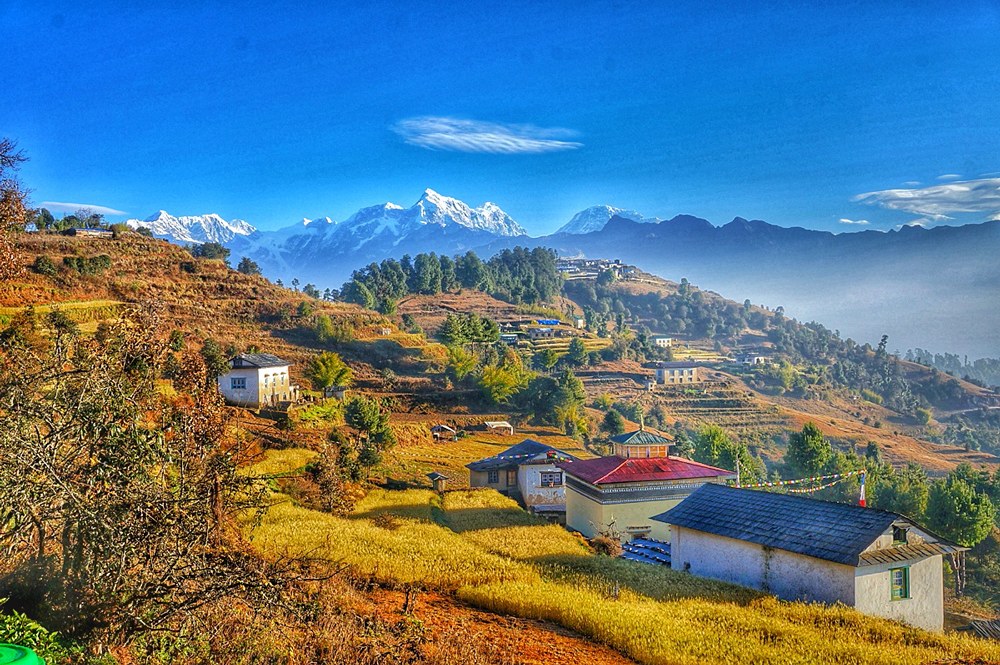
Pikey Peak Trek 2026–2027 is one of Nepal’s best short Himalayan treks for travelers who want spectacular Everest views, peaceful trails, authentic Sherpa culture, and a less-crowded alternative to the classic Everest Base Camp Trek. Reaching Pikey Peak at around 4,065–4,068 meters, the trek offers panoramic views of Mount Everest, Makalu, Kanchenjunga, Lhotse, Cho Oyu, Thamserku, and other Himalayan peaks.
Unlike the Everest Base Camp route, Pikey Peak can be accessed by road from Kathmandu toward the Solukhumbu region, making it an attractive option for travelers who prefer to avoid the Lukla flight. The trail passes through beautiful forests, alpine landscapes, Buddhist monasteries, traditional Sherpa villages, and peaceful mountain ridges.
If you are planning a Nepal trekking holiday for 2026 or 2027, this guide covers the Pikey Peak Trek route, itinerary, cost, difficulty, best seasons, permits, accommodation, food, packing tips, altitude, safety, and useful travel information.
Pikey Peak Trek at a Glance
| Trek Feature | Details |
|---|---|
| Trek Name | Pikey Peak Trek |
| Region | Lower Everest / Solukhumbu |
| Maximum Altitude | Approx. 4,065–4,068 m |
| Difficulty | Moderate |
| Typical Duration | 6–8 trekking days; longer packages are available |
| Starting Point | Dhap, Salleri or Phaplu depending on itinerary |
| Accommodation | Teahouse, lodge and local homestay |
| Best Seasons | March–May and September–November |
| Main Attraction | Sunrise and panoramic Himalayan views |
| Highest Point | Pikey Peak |
| Transport | Road transport; some itineraries use flights |
| Suitable For | Beginners with good fitness, families and experienced trekkers |
The exact duration and route can vary considerably. Team Ram Adventure currently lists a 13-day Pikey Peak Trekking package, while shorter 6–8 day routes are also commonly operated.
Why Choose Pikey Peak Trek 2026–2027?
Pikey Peak is particularly appealing if you want a Himalayan experience without spending two weeks trekking to Everest Base Camp.
1. Spectacular Everest Sunrise
The biggest attraction is the early-morning climb to Pikey Peak. From the summit, trekkers can enjoy expansive Himalayan views, particularly around sunrise when the mountains can glow in changing shades of gold and pink.
Depending on weather and visibility, views can include Everest, Makalu, Kanchenjunga, Lhotse, Cho Oyu, Gaurishankar, Thamserku and Kusum Kanguru.
2. A Quieter Alternative to Everest Base Camp
The Pikey Peak trail is generally quieter than the heavily traveled Everest Base Camp route. This makes it suitable for travelers who want to experience the Himalayas in a more peaceful environment.
3. Authentic Sherpa Culture
The trek passes through traditional Sherpa settlements including Jhapre, Junbesi and Phaplu. Junbesi is particularly important for experiencing Sherpa culture, Buddhist traditions, monasteries and village life.
4. No Lukla Flight Required on Many Routes
One major advantage of the Pikey Peak Trek is that many itineraries begin with a road journey from Kathmandu toward Dhap or Salleri/Phaplu. This can make the trek attractive for travelers who want to minimize dependence on Lukla flights.
5. Excellent Short Trek in the Everest Region
If your vacation is shorter than the time required for Everest Base Camp, Pikey Peak offers an excellent alternative. A popular route can be completed in around a week, although longer itineraries are available for travelers who want more cultural and acclimatization days.
Where Is Pikey Peak?
Pikey Peak is located in the Solukhumbu district of eastern Nepal, in the lower Everest region. The trekking area combines Himalayan ridges, forests, alpine pastureland, traditional villages and Buddhist cultural sites.
The summit rises to approximately 4,065 meters, making it high enough for spectacular Himalayan views while remaining considerably lower and less technically demanding than Nepal's major climbing peaks.
Pikey Peak Trek Itinerary 2026–2027
| Day | Itinerary | Starting Altitude | Destination Altitude | Max. Altitude | Walking/Travel |
|---|---|---|---|---|---|
| Day 1 | Arrival in Kathmandu & transfer to hotel | — | 1,350 m | 1,350 m | Airport transfer |
| Day 2 | Drive Kathmandu → Phaplu | 1,350 m | 2,470 m | 2,470 m | Approx. 6 hrs drive |
| Day 3 | Trek to Gumne Mera via Rat Nage Pass | 2,470 m | Gumne Mera | — | Trekking |
| Day 4 | Trek to Taksindu & visit monastery | — | 2,250 m | — | 6–7 hrs |
| Day 5 | Trek to Junbesi | 2,250 m | 2,680 m | 2,680 m | Approx. 5 hrs |
| Day 6 | Hike to Thupten Chholing Monastery & return to Junbesi | 2,680 m | 2,680 m | — | Approx. 5 hrs |
| Day 7 | Trek to Ngaur | 2,680 m | Ngaur | — | Trekking |
| Day 8 | Early morning hike to Pikey Peak & return to Base Camp | — | Pikey Base Camp | 4,070 m | Sunrise hike |
| Day 9 | Pikey Base Camp → Jhapre | — | 2,920 m | — | Approx. 5 hrs |
| Day 10 | Trek to Ghorpiteng & visit monastery | 2,920 m | 2,840 m | — | Approx. 5 hrs |
| Day 11 | Trek to Dhap & visit viewpoint tower | 2,840 m | 2,932 m | 2,932 m | Approx. 5 hrs |
| Day 12 | Trek to Salleri–Phaplu & drive/flight to Kathmandu | 2,932 m | 1,350 m | — | Trek + drive/flight |
| Day 13 | Final departure from Kathmandu | 1,350 m | — | — | Airport transfer |
Pikey Peak Trek Cost 2026–2027
The cost of Pikey Peak Trek depends on the duration, group size, transportation, accommodation, guide and porter services, permits and level of comfort.
Current published market estimates for a typical 6–8 day guided Pikey Peak trek are approximately USD 700–1,100 per person, while premium/private itineraries can cost more.
Team Ram Adventure currently lists its 13-day Pikey Peak Trekking package from USD 1,399 per person, subject to its current package terms and booking conditions.
What Can Affect the Trek Cost?
Your final price may change according to:
- Number of trekking days
- Group size
- Private or group trek
- Jeep transportation
- Domestic flight arrangements
- Hotel category in Kathmandu
- Guide and porter services
- Accommodation standard
- Season
- Permits and local fees
- Extra acclimatization days
- Personal expenses
For the most accurate 2026–2027 price, travelers should request a current quotation before booking.
What Is Included in a Pikey Peak Trek Package?
A full-service package commonly includes:
- Airport pickup and drop-off
- Kathmandu hotel accommodation
- Teahouse/lodge accommodation during the trek
- Breakfast, lunch and dinner during trekking days
- Licensed trekking guide
- Porter service
- Ground transportation according to itinerary
- Trekking permits and necessary paperwork
- Guide and porter salary, food and accommodation
- Government and local taxes
- Basic medical kit
- Welcome/farewell arrangements depending on package
The exact inclusions vary by operator and itinerary. Team Ram Adventure's published package includes accommodation, meals, transportation, guide/porter services, permits and several logistical services, while its published exclusions include international airfare, travel insurance, personal expenses and tipping.
What Is Not Included?
Travelers should normally budget separately for:
- International flights
- Nepal entry visa
- Travel insurance
- Personal trekking equipment
- Snacks and additional drinks
- Hot showers
- Wi-Fi and charging fees where applicable
- Alcoholic beverages
- Personal expenses
- Emergency evacuation costs
- Tips for guides and porters
Always check the final inclusion/exclusion list before booking.
Pikey Peak Trek Difficulty
The Pikey Peak Trek is generally rated moderate. You do not need technical mountaineering experience, but you should have reasonable cardiovascular fitness and be comfortable walking several hours per day.
The most demanding section is usually the ascent toward Pikey Peak because of the increasing altitude and early-morning climb.
A beginner can complete the trek with proper preparation, a sensible pace and an experienced guide.
How to Prepare
Start preparing at least 4–6 weeks before the trek:
- Walk or hike regularly.
- Include uphill and downhill walking.
- Build leg strength.
- Practice walking 5–7 hours occasionally.
- Carry a daypack during training.
- Improve cardiovascular fitness.
- Avoid rushing at high altitude.
- Stay hydrated.
Best Time for Pikey Peak Trek 2026–2027
The best seasons are spring and autumn.
Spring: March to May
Spring offers:
- Clear mountain views
- Comfortable daytime temperatures
- Rhododendron flowers
- Green forests
- Excellent photography conditions
Autumn: September to November
Autumn is another excellent period because the monsoon has generally cleared the atmosphere, producing good mountain visibility and stable trekking conditions.
Winter: December to February
Winter trekking is possible for experienced and well-prepared trekkers. However, temperatures can be very cold at higher elevations and snow may affect the trail.
Monsoon: June to August
The monsoon season is generally less favorable because of rain, clouds, muddy trails and potentially poor mountain visibility.
Best overall choice: March–May and September–November.
Pikey Peak Trek Permits
Permit requirements depend on the exact route and current regulations.
Depending on the selected trail, trekkers may need applicable local-area permits, TIMS and conservation/national-park permits. Current requirements and fees can change, so your trekking agency should confirm the applicable permits before departure.
Team Ram Adventure states that its package includes the necessary trekking paperwork and permits.
Accommodation During Pikey Peak Trek
Accommodation is generally in local teahouses, lodges and homestays.
Facilities are more basic than in Kathmandu, particularly at higher elevations. Rooms are generally simple, while bathrooms may be shared.
Some villages provide Wi-Fi and charging facilities, although availability can be limited and additional fees may apply.
The simplicity of the accommodation is part of the authentic Himalayan experience.
Food on Pikey Peak Trek
Typical trekking meals include:
- Dal Bhat
- Rice and vegetables
- Noodles
- Pasta
- Soup
- Tibetan bread
- Eggs
- Potatoes
- Momos
- Tea and coffee
Dal Bhat is particularly popular because it provides a filling combination of rice, lentils and vegetables.
At higher elevations, keep meals simple, nutritious and easy to digest.
Altitude Sickness on Pikey Peak Trek
Although Pikey Peak is lower than Everest Base Camp, the summit is still above 4,000 meters, so altitude-related symptoms should be taken seriously.
Possible symptoms include:
- Headache
- Dizziness
- Fatigue
- Loss of appetite
- Nausea
- Difficulty sleeping
How to Reduce the Risk
- Ascend gradually.
- Drink enough water.
- Avoid excessive alcohol.
- Eat properly.
- Get enough rest.
- Walk at a comfortable pace.
- Tell your guide immediately if you feel unwell.
- Never ignore worsening altitude symptoms.
Your guide should monitor your condition and make decisions about descent or medical assistance when necessary.
Pikey Peak Trek Safety Tips
Pikey Peak is a relatively accessible Himalayan trek, but mountain conditions can change quickly.
Follow these safety tips:
1. Trek with a licensed guide whenever possible.
2. Check weather conditions before starting each day.
3. Carry warm and waterproof clothing.
4. Wear proper trekking shoes.
5. Carry a headlamp for the sunrise hike.
6. Keep your water bottle filled.
7. Protect yourself from strong sunlight.
8. Carry basic personal medicines.
9. Keep travel insurance with emergency evacuation coverage.
10. Follow your guide's advice regarding altitude and weather.
Pikey Peak Trek Packing List
| Category | Essential Items | Purpose / Tips |
|---|---|---|
| Clothing | Moisture-wicking T-shirts | Keeps you dry and comfortable while walking |
| Thermal base layers | Essential for cold mornings and high altitude | |
| Fleece jacket | Provides warmth during chilly conditions | |
| Down/Warm jacket | Important for cold nights and Pikey Peak | |
| Waterproof jacket | Protection from rain, wind and snow | |
| Trekking trousers | Comfortable for daily trekking | |
| Warm trousers | Useful for cold evenings and mornings | |
| Warm socks | Carry 3–4 pairs | |
| Gloves | Keep hands warm at higher elevations | |
| Hat or beanie | Protects against cold and wind | |
| Footwear | Comfortable trekking boots | Choose well-fitted, broken-in boots |
| Spare socks | Keep feet dry and comfortable | |
| Camp shoes/Sandals | Useful after a long day of trekking | |
| Gaiters | Recommended during snow or wet conditions | |
| Personal Gear | Backpack | 30–40L day/trekking backpack is useful |
| Sleeping bag | Warm sleeping bag suitable for cold temperatures | |
| Sunglasses | Protects eyes from strong mountain sunlight | |
| Sunscreen | Use high-SPF sunscreen to protect from UV rays | |
| Headlamp | Essential for the early-morning Pikey Peak sunrise hike | |
| Water bottle | Carry sufficient drinking water | |
| Trekking poles | Helps with steep ascents and descents | |
| Power bank | Useful where charging facilities are limited | |
| Personal first-aid supplies | Carry basic medicines and personal medication | |
| Passport & travel documents | Keep passport, permits, insurance and important documents safe |
For winter or early-spring trips, add sufficient insulation and snow protection according to the current weather forecast.
Pikey Peak Trek: Culture and Local Experience
One of the strongest attractions of this trek is its cultural experience.
The route passes through villages where travelers can observe:
- Sherpa traditions
- Buddhist monasteries
- Prayer flags
- Mani walls
- Prayer wheels
- Traditional houses
- Mountain farming
- Local festivals
- Rural Himalayan lifestyles
Junbesi is especially significant for experiencing Sherpa heritage and Buddhist culture.
Pikey Peak Trek vs Everest Base Camp Trek
| Feature | Pikey Peak Trek | Everest Base Camp Trek |
| Duration | Shorter | Longer |
| Maximum Altitude | Approx. 4,065 m | Approx. 5,364 m |
| Crowds | Generally quieter | More crowded |
| Main Highlight | Everest sunrise viewpoint | Everest Base Camp & Khumbu |
| Difficulty | Moderate | Moderate to challenging |
| Flight Dependency | Often avoidable | Usually involves Lukla |
| Culture | Strong Sherpa experience | Strong Sherpa experience |
| Best For | Short Himalayan adventure | Classic Everest experience |
If you want a quieter and shorter Everest-region experience, Pikey Peak is an excellent choice. If reaching Everest Base Camp is your main goal, choose the classic EBC route.
Similar Trekking Packages in the Everest Region
If you are interested in the Pikey Peak Trek, Team Ram Adventure also offers several other trekking packages in the Everest region. These routes provide different experiences, from short family-friendly treks to challenging high-altitude adventures.
1. Everest Base Camp Trek
The classic Everest adventure takes you through Namche Bazaar, Tengboche, Dingboche and Everest Base Camp. It is ideal for trekkers who want to experience the heart of the Khumbu and stand at the base of Mount Everest.
2. Everest Panorama Point Trek
A short Everest-region trek designed for travelers with limited time. The route offers beautiful Himalayan scenery, Sherpa villages and impressive views of Everest without trekking all the way to Base Camp.
3. Everest View Trek for Family
A family-friendly option combining mountain scenery, Sherpa culture and comfortable trekking. It is suitable for families looking for a shorter introduction to the Everest region.
4. Gokyo Lake Trek
This route takes trekkers to the spectacular turquoise Gokyo Lakes and high Himalayan viewpoints. It is a great alternative to the standard Everest Base Camp route for travelers seeking beautiful lakes and quieter trails.
5. Everest Three High Passes Trek
A challenging adventure for experienced trekkers, crossing three major high passes in the Everest region. It offers dramatic landscapes and a more demanding alternative to the standard EBC trek.
6. Gokyo–Cho La–Everest Base Camp Trek
This combined route connects Gokyo Valley, Cho La Pass and Everest Base Camp, providing a comprehensive Himalayan experience with lakes, high passes and spectacular Everest views.
7. Everest Base Camp Trek via Salleri
This alternative approach to Everest Base Camp begins through the lower Solukhumbu region, allowing travelers to experience traditional villages and landscapes before reaching the main Khumbu trail.
8. Everest Base Camp Trek with Helicopter Return
For travelers who want the classic Everest Base Camp experience with less time on the return journey, this package combines trekking to EBC with a scenic helicopter return to Kathmandu.
For a short, peaceful and culturally rich alternative, Pikey Peak Trek is an excellent choice. For the classic Everest experience, choose Everest Base Camp; for lakes and high passes, consider Gokyo or the Three High Passes route.
Who Should Do the Pikey Peak Trek?
Pikey Peak is suitable for:
- First-time Himalayan trekkers
- Families with suitable preparation
- Couples
- Solo travelers with a guide
- Photographers
- Nature lovers
- Mountain-view enthusiasts
- Travelers with limited vacation time
- Trekkers looking for a quieter Everest-region route
Previous high-altitude trekking experience is not essential, but good physical preparation is strongly recommended.
Why Book Pikey Peak Trek with Team Ram Adventure?
Team Ram Adventure offers a dedicated Pikey Peak Trekking package with a published 13-day itinerary covering the Kathmandu–Phaplu/Dhap area, Sherpa villages, monasteries and Pikey Peak. Its published package includes accommodation, meals, transportation, trekking guide, porter services, permits and other logistical support.
The company also has additional Pikey Peak resources, including a detailed itinerary article and a complete trekking guide.
Before booking, ask the trekking agency to confirm the 2026–2027 price, exact route, transportation, permits, accommodation, group size and inclusions, as these can change between seasons.
Frequently Asked Questions About Pikey Peak Trek
Is Pikey Peak Trek suitable for beginners?
Yes. Pikey Peak is generally considered a moderate trek and does not require technical climbing skills. Beginners with reasonable fitness can complete it with proper preparation and a gradual pace.
How high is Pikey Peak?
Pikey Peak is approximately 4,065–4,068 meters above sea level. Different route descriptions may show slightly different figures.
How many days do you need for Pikey Peak Trek?
A short Pikey Peak itinerary can take around 6–8 days, while longer packages can take 10–13 days depending on the route and cultural stops.
Can I see Mount Everest from Pikey Peak?
Yes. Pikey Peak is famous for panoramic Himalayan views, including Mount Everest, when weather and visibility are favorable.
What is the best month for Pikey Peak Trek?
March, April, May, October and November are among the best months. September can also be good as the monsoon season ends.
Is Pikey Peak Trek cheaper than Everest Base Camp?
It can be, particularly because shorter routes and road transportation can reduce overall travel time and costs. The final price depends on the itinerary, group size, accommodation and transportation.
Do I need a guide for Pikey Peak?
A guide is strongly recommended for navigation, local knowledge, safety and emergency support. Permit and guide requirements should be checked against the latest regulations before departure.
Can Pikey Peak Trek be combined with another trek?
Yes. It can be combined with other Solukhumbu and Everest-region experiences, depending on available time and route logistics.
Final Thoughts: Is Pikey Peak Trek Worth It in 2026–2027?
The Pikey Peak Trek is an excellent choice for travelers who want spectacular Everest views, authentic Sherpa culture, peaceful trails, beautiful forests and a relatively short Himalayan adventure.
Its combination of a 4,065-meter viewpoint, incredible sunrise, traditional villages, Buddhist monasteries and lower crowd levels makes it one of Nepal's most rewarding alternatives to the more crowded Everest trekking routes.
For 2026–2027, travelers should book early for the best availability during spring and autumn, confirm the latest permit regulations and request an updated quotation from their trekking agency.
Ready to trek in the Himalayas?
Get itinerary guidance and local support from the Team Ram Adventure specialists.