
 Plan Your Trip Now

In This Guide
Short answer: No, you do not need to be an experienced mountaineer to climb Pisang Peak. But you do need to be fit, well acclimatized, willing to learn basic snow-and-ice skills, and climbing with a qualified guide. Pisang is a real mountain, not a long walk with a summit photo at the end.
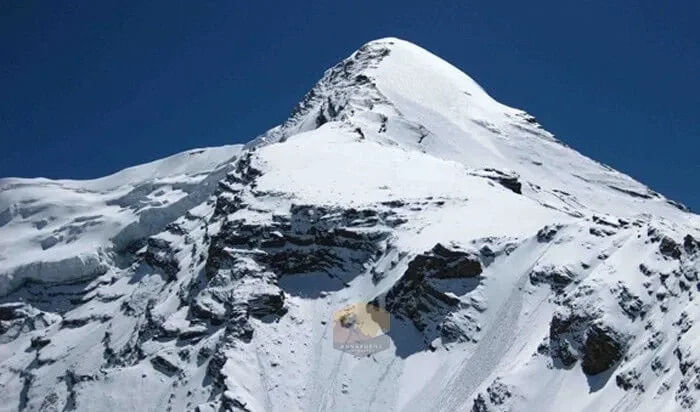
Pisang Peak (6,091 m / about 19,983 ft) is one of Nepal's most popular trekking peaks. It rises above Pisang village on the Annapurna Circuit, and it is often recommended as a first 6,000 m summit. That reputation is both true and misleading. This guide explains what the climb actually asks of you, so you can decide honestly whether you are ready.
If you already know you want to go, see the Pisang Peak Climbing trip page from Team Ram Adventure for the itinerary, dates and booking details.
Why Opinions Differ So Much
Search for this question and you will find conflicting answers. Some operators say "no experience needed." Others say "previous mountaineering experience is required." Both are partly right, because they are answering different questions:
- Do you need a mountaineering resume to be allowed to climb? Generally no. Trekking peaks in Nepal are permitted by the Nepal Mountaineering Association, and there is no formal climbing qualification test for the permit.
- Is the climb free of technical sections? No. The upper mountain involves steep snow and ice, and the summit ridge is exposed.
- Can a fit beginner do it with proper support? Yes, many people do, usually after a short skills briefing at base camp.
So the honest answer is: experience is not mandatory, but skills and preparation are. The less experience you have, the more you must make up for it with fitness, training and a good guide.
How Technical Is Pisang Peak?
Pisang is classed as a trekking peak, but "trekking peak" is a permit category, not a promise of easiness. Published grades vary by source, from PD+ (fairly difficult) to AD (moderately difficult) on the alpine scale, reflecting how much conditions change from season to season.
Here is what the climb typically involves:
| Section | What to expect |
|---|---|
| Trek to Pisang and base camp (around 4,380 m) | Walking on established trails, no technical skills |
| Base camp to high camp (around 5,400 m) | Steep, rocky and moraine terrain, heavy breathing at altitude |
| High camp to summit (6,091 m) | Snow and ice slopes, a ridge section, steeper final pitches, often with fixed ropes set by guides |
| Summit day | A long day, often 8 to 10 hours round trip from high camp |
| Descent | Careful downclimbing, sometimes with abseiling or rope assistance |
Slope angles on the final sections are commonly described as steep, in the range of 40 to 50 degrees. That is not extreme by alpine standards, but it is a very different feeling from a hiking trail, especially at 6,000 m with a harness and crampons.
The Skills You Will Use
You do not need to arrive knowing these. You do need to be willing to learn them and practice them before summit day:
- Wearing and walking in crampons. Front-pointing is rarely needed, but flat-footed walking on firm snow and ice takes practice.
- Using an ice axe. Basic holding, self-arrest and using it as a support.
- Clipping into fixed ropes. Using an ascender (jumar) and a safety carabiner, and changing over at anchors.
- Using a harness and helmet properly.
- Descending on rope. Basic abseil or lowering technique, usually supervised.
- Moving as a roped team. Staying in rhythm, keeping the rope tidy and not tripping others.
A reputable operator will run a short training session at base camp. If you want extra confidence, a one- or two-day introductory mountaineering course at home before you travel makes a real difference.
What Matters More Than Experience
1. Fitness
Summit day is long, cold and hard on the body. You need strong legs, good cardio and the ability to keep moving for many hours.
Helpful training before you go:
- Weekly hikes with a loaded pack, building up to 6 to 8 hours
- Stair climbing or hill repeats
- Running, cycling or swimming for aerobic base
- Strength work for legs and core
- A few back-to-back long days to simulate trek fatigue
Start at least 8 to 12 weeks before departure if you are not already fit.
2. Acclimatization
Altitude is the real gatekeeper on Pisang. Many climbers combine the peak with the Annapurna Circuit, which helps because you gain height gradually. Climbing slowly, spending rest days in places like Manang, and not rushing high camp all improve your chances.
3. Mental resilience
Cold fingers at 3 a.m., thin air and a long summit slope are as much a mind game as a physical one. People with little technical experience but a calm, patient attitude often outperform strong athletes who rush.
4. A reliable guide and team
This is where a good operator earns its fee. Your guide reads the weather, fixes ropes, decides when to turn around and keeps the group safe. For first-time climbers, a guide is not a luxury. It is the main safety system.
Can a Complete Beginner Climb Pisang Peak?
Yes, it is possible, and many first-time climbers have done it. But "complete beginner" should still mean:
- You have done multi-day trekking before.
- You are comfortable walking for 6 to 8 hours.
- You have spent time above 3,500 to 4,000 m, ideally on a previous trek.
- You are willing to follow instructions carefully.
- You have realistic expectations that you may not summit if weather or conditions turn.
If you have never trekked at altitude, consider doing a trek such as the Annapurna Circuit first. Many people do this as part of the same trip, which is the ideal way to prepare.
Who Should Think Twice
Pisang may not be the right choice if:
- You have not trekked beyond short day hikes.
- You have heart, lung or circulation conditions and have not discussed altitude with a doctor.
- You have a strong fear of exposure or heights and cannot manage it calmly.
- You do not have the time for proper acclimatization.
- You expect an easy walk and are not ready for cold, effort and discomfort.
Being honest with yourself and your operator before booking keeps you safe and makes the trip more enjoyable.
How Experience Changes Your Trip
| If you are... | What to expect |
|---|---|
| A seasoned mountaineer | Pisang will feel like a fun, moderate objective and a good warm-up for bigger peaks |
| An experienced trekker with no climbing background | A challenging but achievable summit with guide support and a short skills briefing |
| A fit beginner | Achievable with preparation, a good itinerary and a slower acclimatization schedule |
| An unfit or untrained trekker | Not recommended; build your base first |
Best Time to Climb
The strongest climbing windows are spring (March to May) and autumn (late September to November), when weather is more stable and visibility is better. Conditions vary, and a good itinerary includes a reserve day for weather. Winter climbing is possible but much colder and more demanding, and monsoon months are generally avoided.
What to Carry for Pisang Peak
Your operator should supply technical gear such as ropes and group equipment, but personal gear is your responsibility. Confirm what is included before you book.
Essentials:
- Mountaineering boots suitable for crampons
- Crampons and ice axe (rental is usually available)
- Harness, helmet, carabiners and ascender
- Warm layered clothing, down jacket and windproof shell
- Insulated gloves and liner gloves
- Sleeping bag rated for very cold nights at high camp
- Glacier sunglasses and sunscreen
- Headlamp with spare batteries
- Trekking poles
- Water bottles and a thermos
- Personal first-aid kit and any prescriptions
- Travel insurance covering high-altitude climbing up to 6,000 m and helicopter evacuation
Permits and Paperwork
Climbing Pisang Peak normally involves a peak climbing permit issued through the Nepal Mountaineering Association, plus the Annapurna Conservation Area Permit and a TIMS card, depending on your route and operator. Fees change, so always confirm current costs with your operator before booking.
Safety Tips for Less Experienced Climbers
- Do not rush acclimatization. Add days rather than skipping them.
- Tell your guide about any symptoms early. Headache, nausea or dizziness should never be hidden.
- Turn around if told to. Summits are optional, descents are mandatory.
- Drink plenty of water and eat even when you are not hungry.
- Keep hands and feet warm. Cold injuries creep up quietly.
- Respect the weather window. Wind and fresh snow change risk quickly.
- Buy proper insurance. Many standard policies exclude technical climbing and high altitude.
Frequently Asked Questions
Do I need previous mountaineering experience for Pisang Peak?
Not strictly. A fit, well-prepared trekker can climb it with a qualified guide, but you must be ready to learn basic snow and ice skills and to handle steep terrain at altitude.
Is Pisang Peak good for beginners?
It is often chosen as a first 6,000 m peak, but "beginner-friendly" does not mean "easy." Preparation and acclimatization matter a great deal.
Is Pisang Peak technical?
It has steep snow and ice, a ridge section and fixed-rope sections near the top, so it is more than a walk. It is, however, widely considered less technical than peaks like Island Peak or Mera Peak's harder routes.
How fit do I need to be?
You should be comfortable hiking 6 to 8 hours with a pack, and be able to sustain effort at altitude. Cardio and leg strength training before departure is strongly recommended.
Do I need a guide?
Yes, a licensed climbing guide is strongly advised and is the safest option. Weather, ropes and route decisions are not things to improvise.
How long does the trip take?
Itineraries vary. Many combine the climb with the Annapurna Circuit and run roughly two to three weeks, while shorter versions focus on the peak alone. Check the Team Ram Adventure Pisang Peak page for the exact schedule.
What if I do not reach the summit?
It happens, even to strong climbers. Weather, snow conditions and altitude can all stop a summit attempt. A good itinerary includes a spare day to improve your chances.
Should I do a training course first?
A short introductory mountaineering or crampon-and-ice-axe course is a great idea but not compulsory. It boosts confidence and reduces learning pressure at base camp.
Final Thoughts
So, do you need mountaineering experience for Pisang Peak climbing? You do not need to be an expert, but you do need to be prepared. Fitness, acclimatization, a willingness to learn, and a trustworthy team matter far more than a long list of past summits.
If you are fit, curious and ready for a real Himalayan challenge, Pisang Peak can be a superb introduction to climbing above 6,000 meters, with views of Annapurna, Manaslu and the surrounding giants as your reward.
Ready to take the next step? Read the full Pisang Peak Climbing itinerary and details, or visit Team Ram Adventure to ask about dates, gear and preparation.
Ready to trek in the Himalayas?
Get itinerary guidance and local support from the Team Ram Adventure specialists.