 Plan Your Trip Now
In This Guide
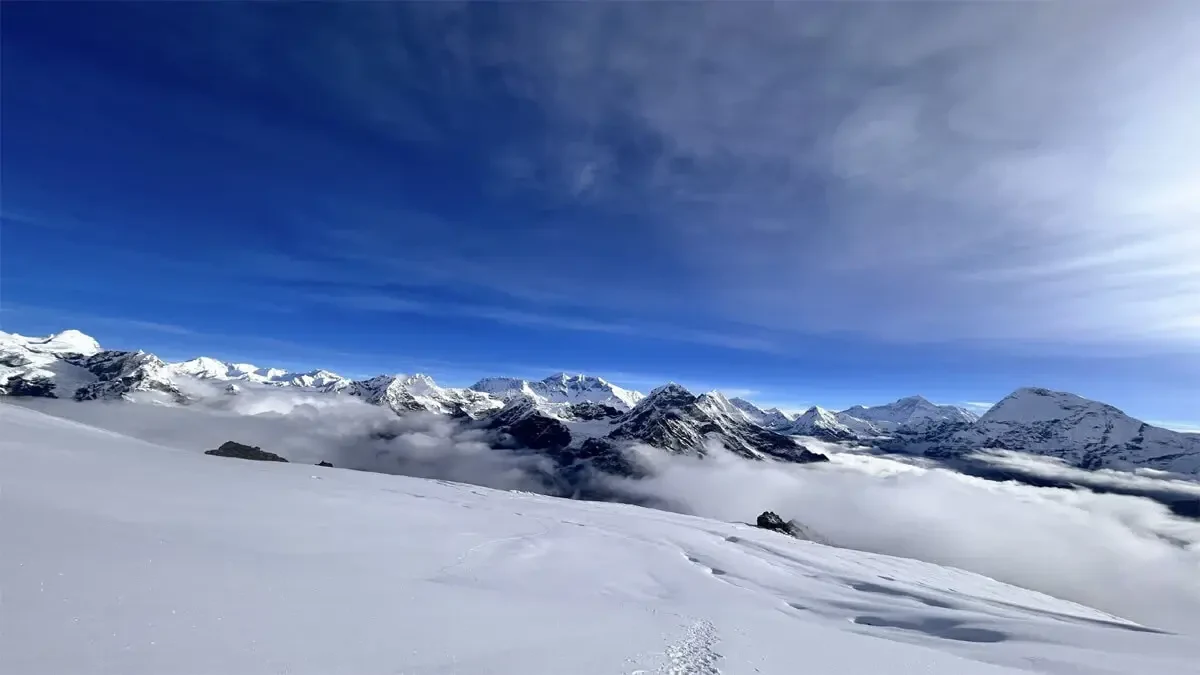
At 6,476 m, Mera Peak is the highest trekking peak in Nepal. From the summit, you can see five of the world’s six highest mountains: Everest, Lhotse, Makalu, Cho Oyu and Kangchenjunga. It is a rare place to stand on a Himalayan summit without technical rock or ice climbing.
But Mera Peak is not a simple trek. The altitude is serious, nights are brutally cold, and the summit day is long. Good preparation and the right gear are what separate a safe summit from a miserable one.
This guide covers everything you need before you go: gear, training, permits, altitude safety and common mistakes.
Ready to plan your climb? See the full trip details for Mera Peak Climbing with Team Ram Adventure.
Mera Peak at a Glance
| Detail | Info |
|---|---|
| Summit altitude | 6,476 m (21,247 ft) |
| Region | Hinku Valley, Everest (Khumbu) region |
| Type | Trekking peak, non-technical but demanding |
| Best seasons | Spring (March–May) and autumn (September–November) |
| Key camps | Khare (about 4,950 m), Mera Base Camp, High Camp |
| Main challenges | Altitude, cold, glacier travel and a long summit day |
Camp altitudes vary slightly between sources and routes, so your guide will confirm exact figures.
How Hard Is Mera Peak?
Mera Peak is a moderate to challenging climb. You don’t need advanced climbing skills, but you do need:
- Strong endurance for many days of trekking, then a long summit push
- Basic glacier skills, including using crampons, a harness, rope and ice axe. Your guide will teach you.
- Good acclimatization, because most struggles on Mera come from altitude, not technique
- Mental toughness for cold, early starts and thin air
Previous high-altitude trekking experience, such as Everest Base Camp or an Annapurna trek, helps a great deal.
The Complete Mera Peak Gear Checklist
Layering matters more than any single item. Temperatures can drop well below freezing at high camp and on summit day, while lower valleys can feel warm.
1. Technical Climbing Equipment
Operators often provide or rent this gear, but policies differ. Confirm what Team Ram Adventure supplies before you buy anything.
- Mountaineering boots (double or insulated, crampon-compatible)
- Crampons (fitted to your boots)
- Ice axe
- Climbing harness
- Helmet
- Ascender (jumar) and descender or figure-eight
- Carabiners (locking and non-locking) and slings
- Rope, usually provided by the guide team
- Trekking poles
Tip: If you bring your own boots and crampons, test the fit together at home. Poorly fitting crampons are a common cause of delays on summit day.
2. Clothing: Base, Mid and Outer Layers
Base layers
- 2–3 moisture-wicking T-shirts
- 2 thermal tops (merino or synthetic)
- 2 thermal bottoms
Mid layers
- Fleece jacket or softshell
- Insulated mid-layer jacket
- Trekking trousers (2 pairs)
Outer layers
- Down jacket rated for extreme cold (a four-season or expedition-style jacket)
- Waterproof, windproof hard-shell jacket
- Waterproof shell trousers
- Insulated overtrousers for summit day (recommended)
3. Hands, Head and Face
- Liner gloves
- Insulated, windproof gloves
- Expedition mittens (essential for summit day)
- Warm woollen hat
- Sun hat or cap
- Buff or neck gaiter
- Balaclava
- Glacier sunglasses (category 4, with side protection)
- Ski goggles for wind and snow
4. Footwear
- Broken-in trekking boots for the approach
- Mountaineering boots for the summit section, if not rented
- Camp shoes or sandals
- 4–5 pairs of trekking socks
- 2 pairs of heavy, warm socks
- Gaiters (useful in snow)
5. Sleeping and Camping Gear
- Sleeping bag rated to at least −20°C (comfort rating matters more than the limit rating)
- Sleeping bag liner
- Insulated sleeping mat (if not provided)
- Pillow case or small travel pillow (optional)
6. Packs and Bags
- Duffel bag (about 80–100 L) for porter-carried gear
- Daypack (30–40 L) for water, layers, snacks and camera
- Dry bags or waterproof pack liners
- Padlocks for your duffel
7. Health, Hygiene and Safety
- Personal first-aid kit (blister plasters, painkillers, antiseptic, rehydration salts)
- Prescription medicines
- Altitude medication, only if your doctor advises it
- Sunscreen (SPF 50+) and lip balm with SPF
- Water purification tablets or a filter
- Insulated water bottles (two) and a pee bottle for cold nights
- Toilet paper, wet wipes and hand sanitiser
- Quick-dry towel
- Earplugs
8. Electronics and Extras
- Headlamp with spare batteries (batteries drain fast in the cold)
- Power bank and charging cables
- Camera or phone, plus spare batteries
- Universal travel adapter
- Notebook and pen
- Snacks such as nuts, chocolate and energy bars
9. Documents and Money
- Passport and Nepal visa
- Passport photos
- Travel insurance with high-altitude and helicopter rescue cover (see below)
- Cash in Nepali rupees for tea, tips, showers and charging
What Can You Rent or Buy in Kathmandu?
Many items can be rented or bought in Thamel, Kathmandu: down jackets, sleeping bags, mountaineering boots, crampons, harnesses and ice axes. This helps if you want to travel light.
- Rent: big-ticket technical items you’ll use once
- Buy: base layers, socks, gloves and anything that must fit perfectly
- Always inspect rental gear for damage, fit and cleanliness before you leave the city
Your Team Ram Adventure guide can also advise what to bring and what to leave behind.
Preparation Guide: Get Ready for Mera Peak
Physical Training (Start 3–4 Months Out)
- Cardio: 3–5 sessions a week of hiking, running, cycling or swimming
- Strength: squats, lunges, step-ups and core work to protect your knees on descents
- Long hikes: weekend hikes of 5–8 hours with a loaded pack
- Stair or hill training: repeated climbs with a 8–12 kg pack
- Back-to-back days: simulate multi-day trekking fatigue
Mental Preparation
Summit day starts in the dark and can last 10–14 hours round trip, in the cold and thin air. Practise staying calm and positive when you’re tired. A steady, slow pace gets most climbers to the top.
Skills to Practise
- Walking in crampons
- Basic rope handling and clipping into a fixed line
- Using trekking poles on steep ground
Medical Check
Visit your doctor, especially if you have a heart, lung or blood-pressure condition. Tell your guide about any medical issue before the trip.
Permits and Paperwork
Climbing Mera Peak normally requires:
- A Nepal Mountaineering Association (NMA) climbing permit
- A Makalu Barun National Park permit
- Any local area or rural municipality fees
Fees vary by season and can change, so check current costs with your operator. When you book, a reliable agency usually arranges permits for you. You’ll mainly need to provide passport details and photos.
Altitude Sickness: Stay Safe on the Mountain
Altitude sickness is the biggest risk on Mera Peak. To reduce it:
- Climb slowly. Time on the trail is your best acclimatization tool.
- Drink 3–4 litres of water daily.
- Eat well, even when your appetite drops.
- Avoid alcohol at altitude.
- Report symptoms immediately, including headache, nausea, dizziness or unusual fatigue.
- Descend if symptoms worsen. Never continue to a higher altitude with worsening symptoms.
Severe headache, confusion, loss of balance or breathlessness at rest are emergency signs that need immediate descent.
Travel Insurance: Don’t Skip It
Your policy should cover:
- Trekking and climbing up to at least 6,500 m
- Emergency helicopter evacuation
- Medical expenses and repatriation
- Trip cancellation and delay
Read the fine print. Many standard travel policies exclude mountaineering or have altitude limits.
Best Time to Climb Mera Peak
| Season | Months | Conditions |
|---|---|---|
| Spring | Mar–May | Warmer days, long daylight and stable weather in late April and May |
| Autumn | Sep–Nov | Clear skies, crisp views and the most popular season |
| Winter | Dec–Feb | Extremely cold, with strong winds |
| Monsoon | Jun–Aug | Heavy rain, cloud and slippery trails, so not recommended |
Book early for April, May, October and November, because these are the busiest months.
10 Common Mera Peak Mistakes to Avoid
- Not training long enough. Start months ahead.
- Wearing new, untested boots. Break them in first.
- Skimping on warm gear. Cold is the number one summit-day problem.
- Overpacking. Porters carry limited weight, so pack smart.
- Ignoring early altitude symptoms. Speak up early.
- Rushing the approach. Slow and steady wins.
- Not testing crampons and harness. Check fit at home.
- Poor hydration. Thin air and dry cold dehydrate you fast.
- Skipping insurance details. Confirm altitude and rescue cover.
- Booking with an inexperienced operator. Guide quality and safety systems matter.
Quick Mera Peak Packing Summary (Printable)
- Boots, crampons, harness, helmet, ice axe
- Down jacket, hard shell, insulated trousers
- Base layers, fleece, trekking trousers
- Mittens, liner gloves, warm hat, buff, balaclava
- Glacier sunglasses and goggles
- Sleeping bag (−20°C), liner and mat
- Duffel bag, daypack and dry bags
- Headlamp, spare batteries and power bank
- First-aid kit, sunscreen and water purification
- Passport, visa, permits and insurance
Frequently Asked Questions
Do I need climbing experience for Mera Peak?
Technical experience isn’t required, but you should be comfortable with high-altitude trekking and willing to learn basic glacier skills from your guide.
Do I need to bring my own climbing gear?
Not always. Many operators provide or rent technical gear, and shops in Kathmandu rent it too. Confirm with Team Ram Adventure what is supplied.
How cold does it get on Mera Peak?
Nights at high camp and summit-day mornings can be far below freezing, so a high-quality down jacket, mittens and sleeping bag are essential.
How much weight can a porter carry?
Limits vary by operator and regulation, so ask your agency. Keep your duffel within the weight limit they give you.
What is the best season for Mera Peak?
Spring (March–May) and autumn (September–November) offer the most stable weather and best views.
Is Mera Peak suitable for beginners?
It suits fit, determined trekkers with some high-altitude experience, but it is not an easy first trip. Training and acclimatization are essential.
Final Thoughts
A successful Mera Peak climb starts long before you reach Lukla. The right gear keeps you warm and safe, steady training builds your stamina, and good acclimatization gives you a real chance at the summit.
Use this checklist, confirm your gear details with your operator and give yourself time to prepare. The reward is a sunrise from the roof of the Hinku Valley, with Everest, Lhotse, Makalu, Cho Oyu and Kangchenjunga in view.
Ready to climb? Explore the full itinerary and book your trip: Mera Peak Climbing with Team Ram Adventure.
Ready to trek in the Himalayas?
Get itinerary guidance and local support from the Team Ram Adventure specialists.