 Plan Your Trip Now
In This Guide
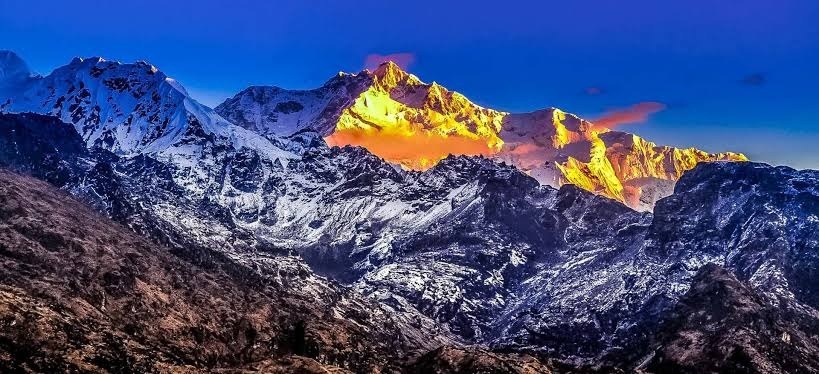
Kanchenjunga is the world’s third-highest mountain (8,586 m), and trekking around it is one of the most remote journeys in Nepal. The Kanchenjunga Circuit links the North Base Camp (Pangpema, 5,143 m) and the South Base Camp (Oktang, 4,730 m) across the Sele La pass, with few other trekkers on the trail.
Remote also means more logistics, so the first question is usually the price. This guide breaks down what the Kanchenjunga Circuit Trek costs in 2026-2027, what the permits are, and where your money goes.
Quick Answer: How Much Does the Kanchenjunga Circuit Trek Cost?
Expect about US$2,000 to US$3,000 per person for a fully organized 21-24 day trek, depending on group size, season and services.
| Option | Typical cost per person |
|---|---|
| Group of 2 or more, standard package | US$2,000-2,800 |
| Premium or international-agency package | Around US$3,000 |
| Team Ram Adventure, 21 days | US$2,999 (listed from US$3,400) |
| Solo traveler with private guide and porter | Higher, as costs aren’t shared |
Check the full itinerary and current dates for the Kanchenjunga Circuit Trek with Team Ram Adventure, a 21-day moderate-to-strenuous trek by tea house and camping.
Kanchenjunga Circuit Trek at a Glance
| Detail | Info |
|---|---|
| Duration | 21 days (18-21 trekking days) |
| Highest point | Pangpema, 5,143 m |
| Key pass | Sele La, about 4,290 m |
| Difficulty | Strenuous |
| Accommodation | Tea houses, with camping in remote sections |
| Best seasons | March-May and September-November |
| Group size | 2-16 |
| Route | Fly to Bhadrapur, drive to Taplejung, trek north then south, return the same way |
Permits for the Kanchenjunga Circuit Trek
Kanchenjunga is a restricted area, so you cannot just turn up and walk. Permits are arranged through a registered trekking agency in Kathmandu.
| Permit | Approx. cost (foreigners) |
|---|---|
| Kanchenjunga Restricted Area Permit (RAP) | About US$20 per person per week |
| Kanchenjunga Conservation Area Permit (KCAP) | About NPR 2,000-3,000 |
| TIMS or equivalent trekker registration | Confirm with your agency |
- A 3-week trek means roughly US$60 for the RAP, so budget US$80-130 per person for all permits.
- Permit fees change. Sources currently quote slightly different KCAP amounts, so confirm the figure with your operator before you pay.
- A licensed guide is required. Most operators also require at least two trekkers for the restricted-area permit, so solo travelers should ask their agency about the current rule.
- Permits are included in Team Ram Adventure’s package, which covers both the Restricted Area Permit and the Conservation Area Permit.
Cost Breakdown: Where Your Money Goes
1. Domestic flights and transfers
- Kathmandu to Bhadrapur (one way): roughly US$120-200, with a flight of about 45 minutes.
- Bhadrapur to Taplejung or Suketar: a long 7-9 hour drive. A private jeep costs more than a shared one, and the price varies by season and vehicle.
- You pay this twice, because the trek starts and ends in the east.
2. Guide and porter
- Licensed guide: typically US$30-40 per day.
- Porter: typically US$20-25 per day, usually carrying the load of two trekkers.
- A remote, high-altitude circuit is not the place to cut corners. A good guide handles route-finding, acclimatization and safety.
3. Accommodation
- Tea houses: basic rooms at low cost, mostly up to Ghunsa and Tseram.
- Camping: in the remote high sections, such as around Lhonak and Pangpema, where lodges are limited or absent.
- Camping adds staff and equipment costs, which is one reason this trek costs more than Annapurna or Langtang.
4. Food
- Expect dal bhat, noodles, soup, momos and Tibetan bread, plus tea and coffee.
- Meals cost more as you gain altitude, because everything is carried in.
5. Hotel in Kathmandu
- Standard hotel nights before and after the trek, usually with breakfast.
What’s Included in the Team Ram Adventure Package
- Airport transfers in Kathmandu
- 2 nights in a standard Kathmandu hotel with breakfast
- Domestic flights or alternative transport between Kathmandu and Bhadrapur, and Suketar and Kathmandu
- Kanchenjunga Restricted Area Permit and Conservation Area Permit
- Licensed English-speaking guide and porter (1 porter for 2 trekkers)
- Tea house or lodge accommodation on the trek
- Breakfast, lunch, dinner and tea or coffee during the trek
- First aid kit and safety equipment
- Government taxes and service charges
What’s Not Included
- International flights
- Nepal visa fee
- Travel insurance (must cover high-altitude trekking and helicopter rescue)
- Personal expenses such as snacks, drinks, WiFi, hot showers and battery charging
- Tips for guide and porter
- Extra nights or meals due to weather delays
- Emergency evacuation costs, unless your insurance covers them
Hidden Costs to Budget For
- Tips: plan on a customary tip for your guide and porter at the end of the trek.
- Extras on the trail: hot showers, charging and WiFi are paid separately and cost more at altitude.
- Weather delays: flights to Bhadrapur and roads can be disrupted, so keep a spare day or two.
- Gear: a -20°C sleeping bag, down jacket and good boots can be rented or bought in Kathmandu.
- Insurance: a proper high-altitude policy with evacuation cover is essential in such a remote region.
How to Save Money Without Cutting Safety
- Trek in a group. Guide, porter, jeep and camping costs are shared, so the price per person drops.
- Use shared transport between Bhadrapur and Taplejung where your schedule allows.
- Rent bulky gear in Kathmandu instead of buying it.
- Book early for spring and autumn, when flights and rooms fill up.
- Choose an all-inclusive package so permits, transport and meals are clear from the start.
Best Time to Trek
- Spring (March-May): rhododendrons bloom and weather is pleasant.
- Autumn (September-November): clear skies and stable conditions.
- Monsoon (June-August): not recommended, because of heavy rain and leeches.
- Winter (December-February): very cold, with heavy snow at high altitude.
For the 2026-2027 window, spring 2027 and autumn 2027 are the main seasons to plan around. Book several months ahead.
How Hard Is the Kanchenjunga Circuit?
This is a strenuous trek. Expect long days of 6-8 hours, steep ascents and descents, a high pass and nights above 4,000 m. It suits trekkers with previous high-altitude experience and good fitness. If it will be your first Himalayan trek, consider building experience first on a shorter route.
The itinerary includes an acclimatization day at Ghunsa, which is vital. Do not skip it, and tell your guide at once about headaches, nausea or dizziness.
Circuit vs Base Camp Trek: Which One Should You Choose?
- Circuit (21 days): covers both North and South Base Camps and crosses Sele La. It is the more complete journey.
- Base camp trek (24 days in Team Ram’s listing, from US$2,399): see the Kanchenjunga Base Camp Trek if you prefer a different structure.
Looking at other remote eastern routes? The Makalu Base Camp Trek is a shorter 13-day option in the same region, and all Eastern Region treks are listed together.
Essential Packing Checklist
- Thermal base layers, fleece and a down jacket
- Waterproof jacket and pants
- Trekking boots, plus warm and hiking socks
- Inner and outer gloves, warm hat and sun hat
- Sleeping bag rated to -20°C
- Backpack (50-60 L) and trekking poles
- Headlamp with spare batteries
- Water purification tablets or filter
- Sunglasses and sunscreen
- Personal first aid kit and power bank
Frequently Asked Questions
Can I trek Kanchenjunga without a guide?
No. Kanchenjunga is a restricted area, so a licensed guide is required and permits are issued only through a registered agency.
How much are the Kanchenjunga trek permits?
Roughly US$20 per week for the Restricted Area Permit plus NPR 2,000-3,000 for the Conservation Area Permit. Your agency will confirm exact current amounts.
Is the Kanchenjunga Circuit Trek worth the cost?
If you want remote, uncrowded trails, wide cultural variety and views of the world’s third-highest peak, many trekkers say yes. It costs more than popular routes because of flights, long transfers, permits and camping.
How many days do I need?
Plan on 21 days including Kathmandu, or longer if you want extra buffer for weather.
Is solo trekking allowed?
Not independently. Most operators require at least two trekkers and a licensed guide. Solo travelers can ask about joining a group or paying a private-trek price.
What altitude sickness precautions are needed?
Ascend gradually, take the acclimatization day, drink plenty of water, and tell your guide about symptoms. Make sure your insurance covers high-altitude evacuation.
Ready to Plan Your Kanchenjunga Circuit Trek?
Get the full day-by-day itinerary, upcoming dates and inclusions on the Kanchenjunga Circuit Trek page. To ask a question or reserve a place, make an inquiry, or customize your trip to match your dates and fitness.
Ready to trek in the Himalayas?
Get itinerary guidance and local support from the Team Ram Adventure specialists.