 Plan Your Trip Now
In This Guide
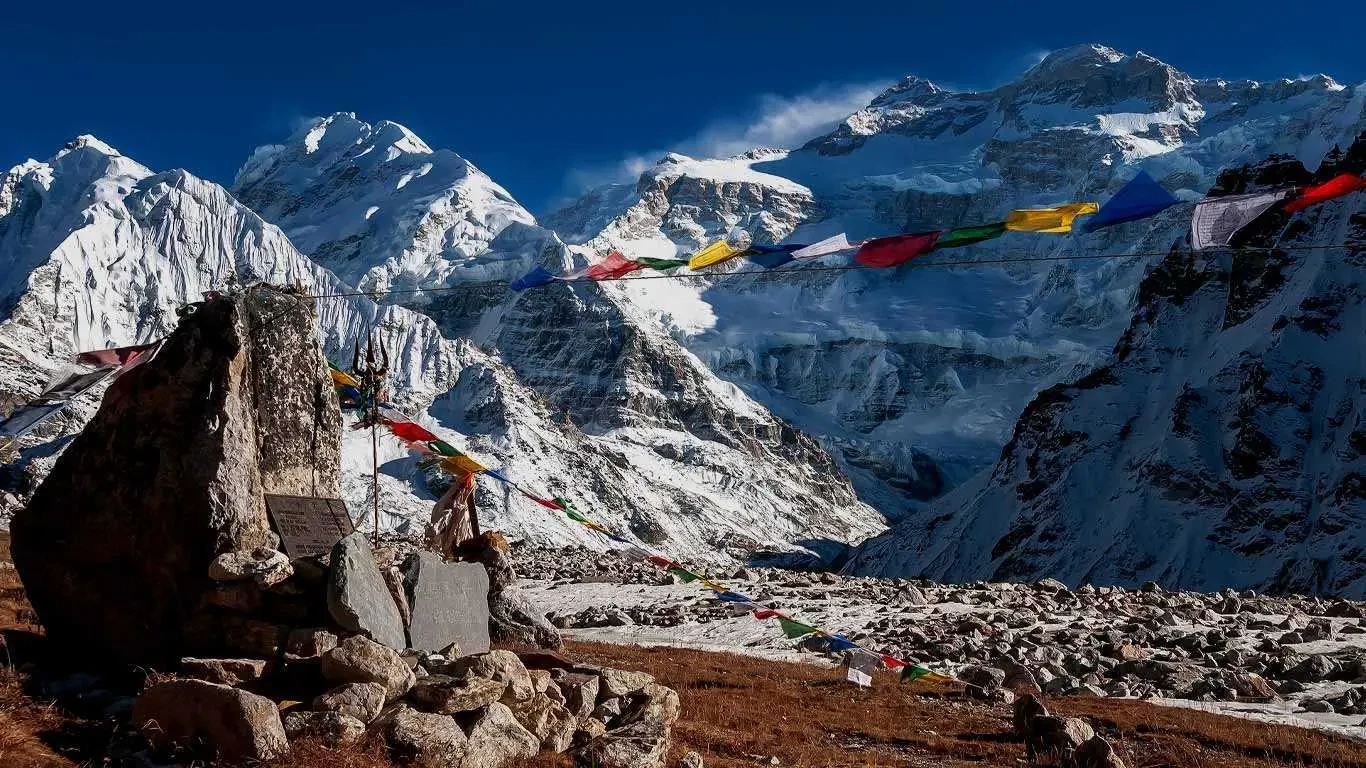
Kanchenjunga Circuit Trek Cost is one of the first things trekkers search for before committing to this remote, restricted-region adventure around the world's third-highest mountain. Circling Mount Kanchenjunga (8,586 m) and reaching both the North Base Camp at Pangpema (5,143 m) and the South Base Camp at Oktang (4,730 m) is a dream for many serious trekkers, and understanding the real costs helps travelers plan the trip with confidence. The overall price can vary a great deal depending on group size, itinerary length, season, and the level of logistics support you need for this far eastern corner of Nepal.
For trekkers planning a Kanchenjunga Circuit Trek in 2026 or a Kanchenjunga Circuit Trek in 2027, the main costs are permits, the Bhadrapur flight and long overland drive to Taplejung, guide and porter services, accommodation, and meals. Because this is a restricted region, independent solo trekking is not permitted — every trekker must join a registered agency and travel with a licensed guide. Companies such as Team Ram Adventure handle permits, transport, and logistics, which takes much of the stress out of planning for this genuinely off-the-beaten-path trek.
Quick Kanchenjunga Circuit Trek Cost Overview (2026–2027)
| Trek Type | Average Cost (USD) | Best For |
|---|---|---|
| Standard Package (18–21 days) | $2,400–$3,000 | Experienced trekkers wanting the full circuit |
| Small Private Group (2–4 people) | $2,600–$3,400 | Small groups sharing guide, porter, and transport costs |
| Extended Package with Extra Acclimatization | $2,800–$3,600 | Trekkers wanting extra rest and buffer days |
| Premium/Comfort Trek | $3,200–$4,000+ | Comfort-focused travelers wanting private transport |
Kanchenjunga Circuit Trek Cost varies based on season, group size, itinerary length, permit fees, and the standard of teahouses and camping arrangements along the route. This guide breaks down each cost category so you can plan a realistic Kanchenjunga Circuit Trek budget for 2026 or 2027.
Kanchenjunga Circuit Trek Cost Breakdown
The Kanchenjunga Circuit Trek Cost divides into several categories, and understanding each one helps you compare packages properly rather than comparing advertised prices alone.
Required Permits for the Kanchenjunga Circuit Trek
Because the Kanchenjunga region is a restricted area bordering Sikkim and Tibet, trekkers cannot enter without the correct permits, and these are only issued through a registered trekking agency — not directly to independent travelers.
Required Permits
- Kanchenjunga Restricted Area Permit (RAP)
- Kanchenjunga Conservation Area Permit (KCAP)
Permit Fees in 2026 and 2027
| Permit | Cost |
|---|---|
| Kanchenjunga RAP (per week) | ~$10–$20/week depending on season |
| Kanchenjunga Conservation Area Permit | NPR 2,000–3,000 (~$15–$23) |
A minimum of two trekkers is generally required to obtain the restricted area permit, and a licensed guide is mandatory to secure these permits and accompany you through the region — this is a legal requirement, not just a recommendation. Note that permit checks happen at several points along the trail, including near Taplejung and Ghunsa.
Kathmandu to Taplejung Transportation Cost
Unlike Everest, the Kanchenjunga Circuit Trek begins with a flight followed by a long overland drive, since Taplejung sits deep in Nepal's far eastern hills.
| Transport Option | Approximate Cost |
|---|---|
| Kathmandu–Bhadrapur round trip flight (per person) | $180–$240 |
| Bhadrapur–Taplejung drive (shared jeep, per person) | $20–$35 one way |
| Bhadrapur–Taplejung private jeep (per vehicle, shareable) | $150–$220 one way |
The Bhadrapur flight takes around 45 minutes, while the onward drive to Taplejung takes roughly 7–8 hours over winding hill roads. Most standard packages, including the one offered by Team Ram Adventure, include both the flight and the return transport from Suketar to Kathmandu at the end of the trek.
Guide and Porter Cost
Hiring a licensed guide is not optional on the Kanchenjunga Circuit Trek — it's a legal requirement for entering the restricted area, in addition to being genuinely valuable for navigation, permit checks, and safety over Sele La Pass (4,290 m).
Guide Cost
| Service | Daily Cost |
|---|---|
| Licensed Guide | $25–$35/day |
Porter Cost
| Service | Daily Cost |
|---|---|
| Porter | $18–$25/day |
For a typical 21-day trek, guide costs generally total $525–$735, and porter costs (often shared between two trekkers, one porter for two trekkers) add roughly $380–$525. A guide is particularly valuable for managing acclimatization at Ghunsa (3,595 m) before pushing on toward Kambachen and Lhonak, and for navigating the long, remote stretch between the North and South Base Camps via Sele La Pass.
Accommodation Cost on the Kanchenjunga Circuit Trek
Accommodation along the Kanchenjunga Circuit is a mix of basic teahouses and, in the most remote stretches, camping. Villages like Mitlung, Chirwa, and Sukathum have simple lodges, while higher settlements such as Lhonak, Tseram, and Ramche offer only very basic rooms or tented camps.
| Accommodation Type | Average Cost Per Night |
|---|---|
| Basic Teahouse (lower villages) | $5–$12 |
| Standard Teahouse (Ghunsa, Kambachen) | $8–$15 |
| Camping (remote high-altitude sections) | Often bundled into package price |
Rooms are typically simple twin-share with shared bathrooms, and where teahouses are unavailable in the most remote sections, a full camping setup with kitchen staff and tents may be included in the package instead.
Food and Drinks Cost
Trekking through remote villages for 18–21 days makes food one of the more noticeable daily costs, particularly as supplies must be carried in by porter above Ghunsa, since there is no road access in this region.
| Item | Average Price |
|---|---|
| Breakfast | $4–$8 |
| Lunch | $6–$12 |
| Dinner | $7–$14 |
| Tea/Coffee | $2–$4 |
Daily food costs typically run $22–$42, rising toward Kambachen, Lhonak, and Ramche where everything must be carried over longer distances than on the more commercial Everest or Annapurna routes.
Travel Insurance Cost
Travel insurance is essential for the Kanchenjunga Circuit Trek. Reaching Pangpema at 5,143 m in one of Nepal's most remote restricted regions, with no road access and limited rescue infrastructure, means that a helicopter evacuation, if needed, can be extremely costly without coverage.
What Your Insurance Should Cover
- Trekking up to at least 5,500 m altitude
- Helicopter evacuation and rescue
- Hospital and medical expenses
- Trip cancellation and delay coverage
A suitable policy typically costs $120–$280 depending on your home country, trip length, and age. Confirm that your policy explicitly covers high-altitude trekking and helicopter rescue in remote regions before booking your Kanchenjunga Circuit Trek in 2026 or 2027.
Trekking Gear and Equipment Cost
Because the Kanchenjunga Circuit reaches over 5,100 m at Pangpema and crosses Sele La Pass at 4,290 m, cold-weather gear is essential, particularly given the long, remote stretches with no possibility of resupply.
Essential Gear List
- Down jacket rated for high-altitude cold
- Warm sleeping bag (rated to at least -20°C)
- Waterproof, ankle-supporting trekking boots
- Thermal base layers and warm trekking clothes
- Trekking poles for the steep ascents and descents
- Sunglasses, sunscreen, gloves, and a headlamp
- 50–60L backpack and water purification tablets or filters
| Gear Option | Approximate Cost |
|---|---|
| Renting Equipment in Kathmandu | $100–$300 |
| Buying New Gear in Kathmandu | $500–$1,500+ |
Thamel in Kathmandu is the easiest place to rent or buy gear before starting the trek. Many trekkers reduce their Kanchenjunga Circuit Trek cost significantly by renting a sleeping bag and down jacket rather than buying new equipment.
Kanchenjunga Circuit Trek Cost by Package Type
Standard Trek Cost: $2,400–$3,000
A standard 18–21 day package usually covers permits (RAP, KCAP), guide and porter services, teahouse and camping accommodation, meals during the trek, and Kathmandu–Bhadrapur–Taplejung transportation. This is the most common option since a licensed guide is mandatory anyway, making a fully independent "budget" trek impossible in the Kanchenjunga region.
Small Group or Private Departure: $2,600–$3,400
Since a minimum of two foreign trekkers is generally required for the restricted area permit, small groups can share guide, porter, and transportation costs, which noticeably reduces the individual Kanchenjunga Circuit Trek cost.
Extended Package with Extra Acclimatization: $2,800–$3,600
Adding extra rest or buffer days around Ghunsa or Lhonak rewards trekkers with better acclimatization, more flexibility around weather delays, and a lower-risk approach to the high passes and base camps.
Premium/Comfort Trek: $3,200–$4,000+
Comfort-focused trekkers can choose private transportation instead of shared jeeps between Bhadrapur and Taplejung, upgraded camping equipment, and additional acclimatization or rest days built into the itinerary.
Kanchenjunga Circuit Trek Itinerary (21 Days)
| Day | Route | Altitude | Duration |
|---|---|---|---|
| Day 1 | Arrival in Kathmandu & trek preparation | 1,400 m | — |
| Day 2 | Fly to Bhadrapur & drive to Taplejung | 1,820 m | 45 min flight + 7–8 hrs drive |
| Day 3 | Trek to Mitlung | — | 4–5 hours |
| Day 4 | Trek to Chirwa | — | 5–6 hours |
| Day 5 | Trek to Sukathum | — | 5–6 hours |
| Day 6 | Trek to Amjilosa | — | 6–7 hours |
| Day 7 | Trek to Gyabla | — | 5–6 hours |
| Day 8 | Trek to Ghunsa | 3,595 m | 6–7 hours |
| Day 9 | Acclimatization day at Ghunsa (optional hike) | 3,595 m | 3–4 hours |
| Day 10 | Trek to Kambachen | — | 5–6 hours |
| Day 11 | Trek to Lhonak | — | 5–6 hours |
| Day 12 | Trek to Pangpema (Kanchenjunga North Base Camp) & back to Lhonak | 5,143 m (pass) | 7–8 hours |
| Day 13 | Trek back to Ghunsa | 3,595 m | 6–7 hours |
| Day 14 | Trek to Sele La Pass | 4,290 m | 5–6 hours |
| Day 15 | Trek to Tseram | — | 6–7 hours |
| Day 16 | Trek to Ramche & Kanchenjunga South Base Camp | 4,730 m (Oktang) | 6–7 hours |
| Day 17 | Trek back to Tortong | — | 6–7 hours |
| Day 18 | Trek to Yamphudin | — | 6–7 hours |
| Day 19 | Trek to Khebang | — | 6–7 hours |
| Day 20 | Drive to Bhadrapur & fly to Kathmandu | 1,400 m | 7–8 hrs drive + 45 min flight |
| Day 21 | Final departure from Kathmandu | 1,400 m | — |
Most trekkers choose the full 18–21 day itinerary with a dedicated acclimatization day at Ghunsa before pushing on toward Kambachen and Lhonak, since the Kanchenjunga North Base Camp day and the crossing of Sele La Pass (4,290 m) are the two most demanding points of the entire route.
Hidden Costs of the Kanchenjunga Circuit Trek
Small daily expenses can add noticeably to the overall Kanchenjunga Circuit Trek cost if not planned for in advance.
Common Extra Expenses
- Hot showers, particularly above Ghunsa
- Device charging (often $2–$5 per charge at higher villages)
- WiFi where available (patchy above Ghunsa, though many teahouses advertise it)
- Extra snacks, chocolate, and hot drinks
- Tips for guide and porter (optional but customary)
- Additional nights in Kathmandu or Bhadrapur due to flight or road delays
Estimated hidden costs typically run $150–$350 for the full trek, given its length. Carrying a power bank, reusable water bottle, and water purification tablets from Kathmandu reduces daily spending noticeably.
How to Save Money on the Kanchenjunga Circuit Trek
Money-Saving Tips
- Join a small group departure to split guide, porter, and transport costs
- Travel just outside the busiest autumn weeks for better rates
- Rent trekking gear in Thamel instead of buying new equipment
- Share a jeep between Bhadrapur and Taplejung with other trekkers
- Book with a reputable local operator like Team Ram Adventure rather than an international reseller
- Bring your own snacks, water bottle, and purification tablets from Kathmandu
Because independent trekking isn't allowed in this restricted region, the biggest lever for reducing your Kanchenjunga Circuit Trek cost is group size and comparing what different agency packages actually include — permits, transport, and porter service can be bundled very differently between operators.
Best Time to Trek the Kanchenjunga Circuit
Autumn (September–November) offers stable weather, clear skies, and the best mountain views of Kanchenjunga, Jannu, and the surrounding peaks.
Spring (March–May) brings pleasant weather, blooming rhododendrons, and lush greenery in the lower valleys.
Monsoon (June–August) is not recommended due to heavy rainfall, leeches on the lower trail, and obscured mountain views.
Winter (December–February) is extremely cold with heavy snowfall at higher elevations and is generally not advisable for most trekkers.
Physical Fitness Required for the Kanchenjunga Circuit Trek
The Kanchenjunga Circuit is rated strenuous, involving long trekking days of up to 7–8 hours, remote terrain, and a high-altitude crossing at Sele La Pass (4,290 m) in addition to the push to Pangpema at 5,143 m. It's recommended only for experienced trekkers with strong physical endurance and prior high-altitude trekking experience. Good cardiovascular fitness, several weeks of hiking or stair-climbing training beforehand, and mental preparation for a genuinely remote, long-duration trek make a noticeable difference in how comfortably trekkers manage the circuit.
Is the Kanchenjunga Circuit Trek Worth the Cost?
For experienced trekkers, yes. The Kanchenjunga Circuit Trek Cost buys access to one of Nepal's most remote and least-crowded major trekking routes — close-up views of Kanchenjunga (8,586 m) from both North and South Base Camps, rare wildlife habitat inside the Kanchenjunga Conservation Area, and genuine cultural immersion with Rai, Limbu, Sherpa, and Tibetan-influenced communities along the way. Trekkers looking for true solitude and an unspoiled alternative to Everest or Annapurna consistently rank this among the most rewarding treks in Nepal.
Kanchenjunga Circuit Trek FAQs
1. How much does the Kanchenjunga Circuit Trek cost in 2026 and 2027?
A standard 18–21 day guided package typically costs $2,400–$3,000 per person, while small private groups or extended itineraries can run $2,600–$4,000+.
2. Can I trek the Kanchenjunga Circuit independently without a guide?
No. The Kanchenjunga region is a restricted area, and a licensed guide is legally required to obtain the necessary permits and enter the trail.
3. What permits do I need for the Kanchenjunga Circuit Trek?
You need the Kanchenjunga Restricted Area Permit (RAP) and the Kanchenjunga Conservation Area Permit (KCAP).
4. How many days does the Kanchenjunga Circuit Trek take?
Most itineraries run 18–21 days, covering both the North Base Camp (Pangpema) and South Base Camp (Oktang) via Sele La Pass.
5. How difficult is the Kanchenjunga Circuit Trek?
It's rated strenuous, mainly due to the remote terrain, long trekking days, the maximum altitude of 5,143 m at Pangpema, and the Sele La Pass crossing at 4,290 m.
6. When is the best time to trek the Kanchenjunga Circuit?
Autumn (September–November) and spring (March–May) offer the most stable weather and clearest mountain views.
7. Is travel insurance required for the Kanchenjunga Circuit Trek?
Yes, and it should specifically cover high-altitude trekking above 5,000 m and emergency helicopter evacuation in remote regions.
8. What's included in a standard Kanchenjunga Circuit Trek package?
Most packages, including the one from Team Ram Adventure, include airport transfers, 2 nights of Kathmandu hotel accommodation with breakfast, permits, a licensed guide, porter service, teahouse and camping accommodation, meals during the trek, and Kathmandu–Bhadrapur–Taplejung transportation.
9. Is the Kanchenjunga Circuit Trek suitable for beginners?
No, it's recommended for experienced trekkers with strong fitness and prior high-altitude trekking experience, given the remoteness, duration, and altitude involved.
10. How much cash should I carry on the trail?
Beyond what's included in your package, carry enough Nepali rupees for snacks, drinks, hot showers, device charging, tips, and any emergency expenses — ATMs are not available once you leave Kathmandu or Bhadrapur.
Final Thoughts
The Kanchenjunga Circuit Trek Cost may look significant at first glance, but for experienced trekkers the experience of reaching both Kanchenjunga base camps, crossing Sele La Pass, and walking through remote Rai, Limbu, Sherpa, and Tibetan-influenced villages makes it one of the most memorable and authentic treks in Nepal. This restricted-region trek offers a genuinely different, far less commercial experience from the busier Everest and Annapurna trails.
For trekkers planning a Kanchenjunga Circuit Trek in 2026 or 2027, early planning is worthwhile — permits, guides, and transportation should be arranged well ahead of the autumn and spring peak seasons. Team Ram Adventure can arrange your permits, guide, porter, and full logistics, making the process considerably less stressful for trekkers taking on this remote eastern Himalayan adventure.
Ready to trek in the Himalayas?
Get itinerary guidance and local support from the Team Ram Adventure specialists.