
 Plan Your Trip Now

In This Guide
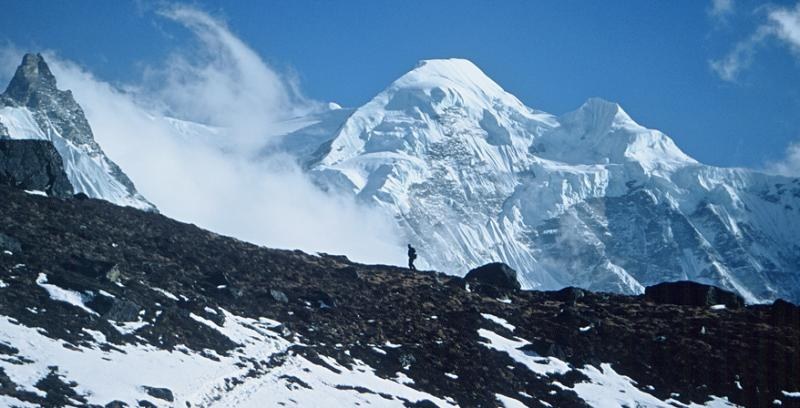
Rising above the village of Upper Pisang on the Annapurna Circuit, Pisang Peak (6,091 m / 19,984 ft) is one of Nepal's most beautiful and most popular trekking peaks. Its summit gives you a sweeping panorama of Annapurna I, Dhaulagiri, Manaslu, Nilgiri and Tilicho Peak, and it is often chosen as a first Himalayan summit.
"Moderate" still means a serious high-altitude climb. This guide explains how to prepare for Pisang Peak climbing: how to train, which skills to practice, how to acclimatize, what to pack, which paperwork to arrange and how to stay safe.
Pisang Peak at a Glance
Detail | Information |
|---|---|
Summit altitude | 6,091 m / 19,984 ft |
Region | Annapurna Himalayan range (Manang district) |
Grade | Moderate to difficult; suitable for climbers with basic mountaineering skills |
First ascent | German expedition, 1955 |
Base camp | Kharka, about 4,380 m |
High camp | About 5,400 m on the south-west ridge |
Best seasons | March to May and September to December |
Typical duration | 22 days with the Annapurna Circuit, Thorong La and Jomsom |
For the full itinerary, see the Pisang Peak Climbing trip from Team Ram Adventure.
1. Know What the Climb Involves
Pisang Peak is a good first Himalayan summit, but respect it:
- Altitude. You will sleep at about 5,400 m at High Camp and summit above 6,000 m.
- A long approach. The route follows the Annapurna Circuit from Besisahar through Dharapani, Chame and Upper Pisang before the climb.
- A camp-based climb. Base Camp and High Camp are tented, so cold nights and basic comfort are part of the experience.
- Snow and ice. The upper mountain involves snow and ice slopes where you will use crampons, an ice axe and a harness, often with ropes where needed.
- Fast weather changes. Wind and cold can make summit day much harder than a calm day looks.
The good news is that the peak is known for its relatively moderate difficulty and accessibility. With solid fitness, basic skills and a careful itinerary, motivated trekkers can succeed.
2. Pick the Right Season
The best windows are:
- Spring (March to May): Stable weather and warmer temperatures.
- Autumn (September to December): Clear skies and crisp air.
The monsoon is the season to avoid. Choose your season, then count back at least 3 to 4 months to begin training.
3. Build a Pisang Peak Training Plan (12 to 16 Weeks)
Aim for 4 to 5 sessions per week and build gradually. Check with your doctor before beginning a new program, especially if you have heart, lung or blood-pressure issues.
Cardiovascular Endurance
You will trek for about eleven days before the summit push, so stamina is the foundation. Build it with:
- Hiking, running, cycling, swimming or stair climbing
- 3 weekly sessions of 45 to 90 minutes
- One long weekend hike, growing from 3 hours to 6 to 8 hours
Leg and Core Strength
Strong legs protect your knees on long ascents and descents. Twice a week add:
- Squats, lunges and step-ups
- Calf raises and deadlifts
- Planks and core stability work
Upper-Body and Grip Strength
Rope work and ice axe use call on your arms and grip. Add:
- Pull-ups or assisted pull-ups
- Rows and farmer's carries
- Dead hangs
Loaded Hiking
Once a week, hike with a weighted daypack in the boots you will wear in Nepal.
Sample Progression
Weeks | Focus | Weekend hike |
|---|---|---|
1 to 4 | Aerobic base and basic strength | 2 to 3 hours |
5 to 8 | More volume, loaded hikes, upper-body work | 4 to 5 hours |
9 to 12 | Peak training with back-to-back long days | 6 to 8 hours, two days in a row |
13 to 16 | Maintain, then taper in the final 10 days | Easy outings only |
Pro tip: If you live somewhere flat, use stairs or an incline treadmill with a loaded pack.
4. Practice Basic Mountaineering Skills
Team Ram Adventure schedules a rock climbing course at Balaju on Day 2 in Kathmandu, plus a briefing, to prepare you for the climb. You can arrive a step ahead by practicing:
- Walking in crampons on snow and ice
- Using an ice axe for balance and self-arrest
- Moving on fixed ropes with an ascender
- Clipping carabiners in thick gloves
- Wearing a harness and mountaineering boots for hours
A one-day snow-and-ice skills course makes a real difference if you have never worn crampons.
5. Build Altitude Experience
Time at altitude is the best preparation. Consider:
- Trekking above 4,000 m first. The Annapurna Circuit Trek and the Tilicho Lake and Thorung La Pass Trek are strong rehearsals.
- Spending time above 3,000 m in the months beforehand, if you can.
- Starting with an easier peak. Yala Peak is a gentle introduction to crampons and ropes.
Tell your guide honestly about your altitude history so the pace suits you.
6. Plan Smart Acclimatization
The 22-day itinerary builds in gradual gains and rest:
- Upper Pisang (3,700 m) with a dedicated acclimatization day
- Pisang Peak Base Camp (4,380 m) before moving up
- High Camp (5,400 m) the day before the summit push
- Summit (6,091 m) and return to Base Camp
The trek continues via Manang, Yak Kharka (4,110 m) and Thorong Pedi (4,600 m) to cross Thorong La (about 5,400 m), which keeps you at height afterward as well.
Follow the golden rule: climb high, sleep low.
Altitude Rules to Follow
- Walk slowly and keep a pace where you can still talk.
- Drink 3 to 4 liters of water daily.
- Eat regularly, even when appetite drops.
- Report symptoms immediately. Headache, nausea, dizziness or unusual fatigue should never be ignored.
- Never ascend with worsening symptoms.
Some climbers carry medication such as Diamox, but discuss it with your doctor before you travel.
7. Pack the Right Gear
The package includes required personal and group climbing equipment and high-quality camping gear, but your own clothing and personal gear are excluded. Confirm exactly what is supplied, then pack:
Clothing and Footwear
- Moisture-wicking base layers (tops and bottoms)
- Fleece mid-layer and a warm down jacket
- Waterproof and windproof shell jacket and trousers
- Liner gloves plus insulated waterproof gloves
- Warm hat, sun hat and neck gaiter
- Insulated, crampon-compatible mountaineering boots (well broken in)
- Trekking boots for the lower trail
- Warm wool socks and liner socks
Climbing and Camp Gear
- Harness, crampons and ice axe (check what is provided)
- Helmet and carabiners
- Trekking poles
- Headlamp with spare batteries
- UV-protected sunglasses or glacier goggles
- 4-season sleeping bag (confirm if supplied)
- Sunscreen SPF 50+ and lip balm
Health and Extras
- Blister plasters, painkillers, anti-diarrheal tablets and oral rehydration salts
- Water purification tablets and refillable bottles
- Personal prescriptions
- Power bank, camera and adapter
- Energy bars and snacks, since climbing food is listed as excluded
Packing tip: Break in your boots for weeks, avoid cotton and test every item on a training hike.
8. Arrange Permits and Paperwork
You will need:
- Pisang Peak climbing permit (the package includes the peak climbing permit, government procedures and local taxes)
- Annapurna-area entry permits and TIMS (arranged by your operator)
- Valid passport and Nepal visa
Because fees and rules change, ask your operator to confirm the latest costs and what is covered before you book. For practical trip information, see the Travel Information page.
9. Buy the Right Travel Insurance
Travel and medical insurance and emergency evacuation costs are not included in the package. Choose a policy that:
- Explicitly covers peak climbing above 6,000 m
- Includes emergency helicopter evacuation and medical repatriation
- Covers hospitalization and altitude-related illness
- Ideally includes trip cancellation and baggage cover
Many standard policies exclude mountaineering, so read the fine print. Keep printed and digital copies and share the details with your guide. An altitude chamber (PAC) or supplemental oxygen is also listed as an extra, so ask what your operator carries.
10. Choose a Trusted Operator and Guide Team
Your guide team is your biggest safety asset. Look for:
- Government-trained climbing guides and experienced Sherpas
- An itinerary with proper acclimatization
- Clear inclusions and exclusions
- Insured staff and porters, plus rescue arrangements
- A flexible plan that puts safety first when weather or health changes
Team Ram Adventure is a Kathmandu-based operator offering Pisang Peak with Annapurna Circuit trekking, guides, Sherpas, cooks, porters, camping equipment and permits. Group sizes run from 2 to 12 people. Read why travelers book with them or contact the team.
11. Prepare Mentally
Summit day is cold and tiring. Prepare by:
- Training on long days when motivation is low
- Practicing steady breathing and a sustainable pace
- Accepting that turning back is a smart decision, not a failure
- Visualizing the early start, the headlamp trail and the snow slopes
Always follow your guide's call on weather and conditions.
12. What to Expect on Summit Day
From High Camp at about 5,400 m on the south-west ridge, you set off in the cold before dawn. The route climbs snow and ice slopes with crampons and an ice axe, with guides setting ropes where needed. As the sun rises, the panorama opens over Annapurna I, Dhaulagiri, Manaslu, Nilgiri and Tilicho Peak. After a short stay on top, you descend to Base Camp the same day, then continue the trek toward Manang.
See how each day fits together in the day-by-day Pisang Peak itinerary.
Pisang Peak Preparation Checklist
- Pick spring or autumn and book 3 to 4+ months ahead
- Follow a 12 to 16 week training plan
- Complete a high-altitude trek first
- Practice crampons, ice axe and rope basics
- Break in your mountaineering boots
- Get a medical check-up and discuss altitude medication
- Buy insurance covering 6,000 m+ and helicopter evacuation
- Confirm permits and visa with your operator
- Pack layers, a down jacket and snacks
- Budget for tips for guides, porters and staff
Frequently Asked Questions
How hard is Pisang Peak?
Pisang Peak is rated moderate to difficult. The altitude, long approach, tented high camps and snow and ice summit day demand good fitness and acclimatization, but it is widely chosen as a first Himalayan peak.
Can beginners climb Pisang Peak?
Yes, motivated beginners with good fitness and trekking experience can succeed with a licensed guide, basic skills training and proper acclimatization.
Do I need mountaineering experience?
Basic mountaineering skills are helpful. Team Ram Adventure includes a rock climbing course and briefing in Kathmandu, and your guides coach you on crampons, ice axe and ropes.
How long should I train for Pisang Peak?
Plan 12 to 16 weeks of structured training covering cardio, leg strength, upper-body strength and loaded hiking.
What is the best time to climb Pisang Peak?
March to May and September to December offer the most stable weather and clearest views. Avoid the monsoon.
How many days does Pisang Peak take?
The full itinerary runs 22 days, combining the Annapurna Circuit approach, the climb, Thorong La and the return via Jomsom and Pokhara. Operators can often tailor a shorter or longer plan.
What can I see from the summit?
Annapurna I, Dhaulagiri, Manaslu, Nilgiri, Tilicho Peak and many more Himalayan giants.
Is helicopter evacuation included?
No. Rescue arrangements are included, but insurance and emergency evacuation costs are excluded, so buy a policy that covers them.
Related Climbs and Treks to Consider
- Chulu East Peak Climbing with Thorong La, a more demanding Annapurna-region peak
- Yala Peak Climbing, a beginner-friendly Langtang peak
- Mera Peak Climbing, Nepal's highest trekking peak
- Island Peak Climbing with Everest Base Camp Trek
- Tent Peak (Tharpu Chuli) Climbing, in the Annapurna Sanctuary
- All peak climbing trips in Nepal
Final Thoughts: Your Summit Starts at Home
Pisang Peak rewards climbers who prepare thoughtfully. Train consistently, learn basic skills, acclimatize carefully, pack smart, secure the right insurance and climb with an experienced team, and you give yourself an excellent chance of standing on the summit with the Annapurnas around you.
Ready to plan your climb? Explore the Pisang Peak Climbing expedition or get in touch with Team Ram Adventure. More guides are on the Team Ram Adventure blog.
Fees, permit rules and itineraries can change. Always confirm current details with your operator before booking.
Ready to trek in the Himalayas?
Get itinerary guidance and local support from the Team Ram Adventure specialists.