 Plan Your Trip Now
In This Guide
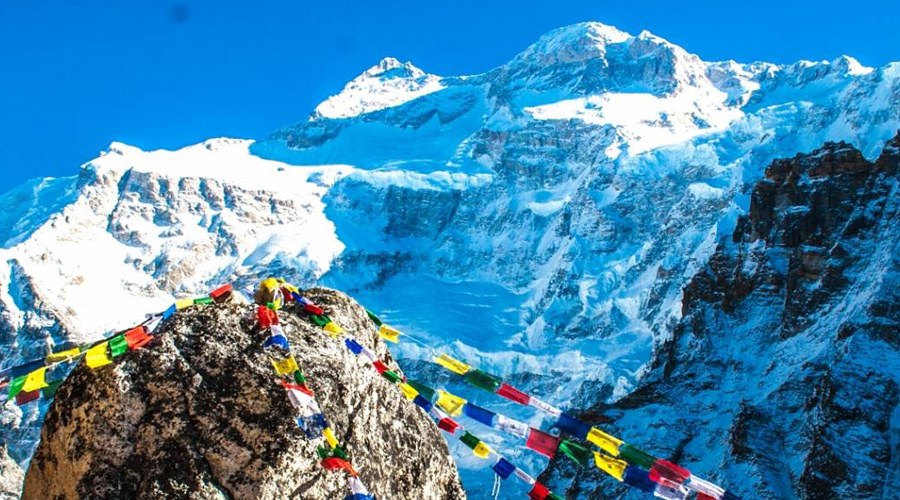
Kanchenjunga is the third-highest mountain on Earth at 8,586 m, and getting to its base camps takes real effort. The trek is long, remote and high. Most trekkers who finish it say it was the best trek of their lives. This guide explains exactly what makes it hard, what is easier than you might expect, and how to prepare. The route details come from the 24-day Kanchenjunga Base Camp Trek by Team Ram Adventure.
Short Answer: How Hard Is the Kanchenjunga Base Camp Trek?
It is a challenging trek. It is harder than Everest Base Camp or Annapurna Base Camp, mainly because of three things:
- Duration: around 20 to 24 days, with up to 18 days of continuous trail days.
- Remoteness: few facilities, long distances between villages, and limited rescue options.
- Altitude: the route reaches 5,143 m at Pangpema (Kanchenjunga North Base Camp).
It is not a technical climb. You need no ropes, ice axes or mountaineering experience. If you are healthy, fit and well prepared, and you give yourself time to acclimatize, a first-time high-altitude trekker can complete it. Team Ram Adventure lists it in its trip facts as “Moderate” but describes the difficulty section as challenging. In practice, “moderate” here means moderate technicality but demanding endurance.
Trek Difficulty at a Glance
| Factor | Details |
|---|---|
| Duration | 24 days including 3 nights in Kathmandu |
| Maximum altitude | 5,143 m (Pangpema, North Base Camp) |
| South Base Camp | 4,730 m |
| High pass | Sele La, 4,290 m |
| Daily walking | Around 5 to 7 hours, with some longer days of 6 to 7 hours |
| Technical skill | None needed, though crampons are on the gear list for passes |
| Accommodation | Teahouses, with camping as an option |
| Best seasons | March to May and September to November |
| Overall rating | Challenging (endurance, altitude, remoteness) |
The 5 Factors That Make Kanchenjunga Challenging
1. Altitude
The trek climbs from about 1,200 m in Ilam to 5,143 m at Pangpema. The hardest altitude section comes after Ghunsa (3,595 m):
- Ghunsa: 3,595 m, with an acclimatization day on day 11
- Kambachen: 4,059 m
- Lhonak: 4,780 m
- Pangpema (North Base Camp): 5,143 m
Sleeping at 4,780 m in Lhonak is the toughest part for most trekkers. Nights are cold, sleep is lighter, and appetite drops. Altitude sickness (AMS) can affect anyone, regardless of fitness. The itinerary includes an acclimatization day in Ghunsa, and your guide should check your oxygen saturation and heart rate daily. Team Ram Adventure provides an oximeter for this purpose.
2. Duration and Cumulative Fatigue
One tough day is manageable. Eighteen consecutive trail days are different. The Kanchenjunga trek wears you down steadily, and your body needs to hold up for weeks. Strong legs matter, but so do mental stamina and patience on days when you are tired and the weather is poor.
3. Remoteness
Kanchenjunga is one of Nepal’s least-visited trekking regions. You will:
- Spend almost a full day driving from Ilam to Taplejung, the start of the trek, and another long drive on the way back.
- Walk past tiny settlements where lodges are basic.
- Be far from roads and hospitals, so a medical problem takes time to resolve.
- Have patchy phone coverage.
For this reason, travel insurance with high-altitude evacuation cover is essential, and you should trek with an experienced, licensed operator.
4. Rugged Terrain and Long Days
Typical days run 5 to 7 hours, and a few are longer. The trail covers:
- Steep climbs and descents through rhododendron and bamboo forests
- Many suspension bridges and river crossings
- Landslide-prone sections
- Rocky glacial moraine near Kambachen and Lhonak
- Narrow trails above deep gorges
Several days involve climbing and then descending a long way, which is hard on knees. Trekking poles help.
5. Weather
The weather in the east is changeable. Expect heavy rain and leeches in the monsoon, cold and snow in winter, and strong wind at altitude in any season. Even in good seasons, temperatures at Lhonak and Pangpema drop well below freezing at night.
Day-by-Day Difficulty Breakdown
The standard itinerary breaks down roughly like this:
Days 1 to 4 (Kathmandu to Taplejung): Easy. Arrival, sightseeing, a flight to Bhadrapur and long drives through Ilam’s tea country. The challenge here is tiredness from travel, not physical effort.
Days 5 to 9 (Mitlung to Gyabla): Moderate. The trek starts low, at about 921 m in Mitlung, and follows the Tamor and Ghunsa rivers through Rai and Limbu villages. Expect hot, humid days with lots of ups and downs. You enter the Kanchenjunga Conservation Area on day 7. Altitude is not an issue yet, but the up-and-down trail is tiring.
Days 10 and 11 (Ghunsa and acclimatization): Moderate. Ghunsa is a large Tibetan-influenced village at 3,595 m. The rest day includes a short hike to a ridge at about 4,200 m, which helps your body adapt.
Days 12 to 14 (Kambachen, Lhonak, Pangpema): Hard. This is the toughest stretch. You climb steadily on glacial moraine. On day 14, the trek to Pangpema at 5,143 m and back to Lhonak is a 6 to 7 hour round trip at very high altitude.
Day 15 (return to Ghunsa): Moderate to hard. A long descent with tired legs.
Days 16 and 17 (Sele La Base Camp and Sele La Pass): Hard. A steep climb to Sele La Base Camp is followed the next day by the Sele La Pass crossing at 4,290 m and a long descent to Cheram at 3,870 m.
Day 18 (South Base Camp): Hard. The round trip from Cheram to Kanchenjunga South Base Camp at 4,730 m takes 6 to 7 hours.
Days 19 to 22 (Tortong to Bhadrapur): Moderate. A long descent through forest and terraced farmland to Yamphudin and Khebang, followed by a full-day drive back to Bhadrapur.
Days 23 and 24: A short flight to Kathmandu, a farewell dinner and departure.
North vs South Base Camp: Which Is Harder?
Both are demanding in different ways.
- North Base Camp (Pangpema, 5,143 m) is higher and has the more dramatic, glacier-side setting, with big views of Kanchenjunga and Jannu (7,710 m).
- South Base Camp (4,730 m) is lower, but reaching it means crossing the Sele La pass and a long day on the trail.
Doing both, as this itinerary does, gives the fullest experience and makes the trek one of the most rewarding in Nepal.
How Does It Compare with Other Famous Treks?
| Trek | Max altitude | Typical days | Crowds | Difficulty |
|---|---|---|---|---|
| Everest Base Camp | 5,364 m (Base Camp) | 12 to 14 | Very busy | Moderate to challenging |
| Annapurna Base Camp | 4,130 m | 7 to 11 | Busy | Moderate |
| Manaslu Circuit | 5,160 m (Larkya La) | 14 to 18 | Moderate | Challenging |
| Kanchenjunga Base Camp | 5,143 m | 20 to 24 | Very quiet | Challenging |
The altitude is similar to Everest Base Camp, but Kanchenjunga is longer, more remote and has much simpler facilities. If you have done Everest Base Camp or Annapurna and want something wilder, Kanchenjunga is the natural next step. Explore related routes such as the Everest Base Camp Trek, Annapurna Base Camp Trek, Standard Manaslu Circuit Trek and Makalu Base Camp Trek.
Who Can Do the Kanchenjunga Base Camp Trek?
You can do this trek if you:
- Are in good general health and have good cardiovascular fitness
- Can walk 6 to 7 hours a day with a light daypack
- Are comfortable with basic teahouse conditions
- Have a positive attitude and some flexibility for weather changes
Previous high-altitude trekking is helpful but, according to Team Ram Adventure, not mandatory. If you have heart, lung or blood-pressure conditions, speak to a doctor before booking. This trek is not recommended for beginners who have never done multi-day hiking. Do a practice trek first.
How to Prepare: Training Plan
Start preparing at least 3 to 4 months before departure.
- Cardio (3 to 4 times a week): Running, cycling, swimming or fast walking, 45 to 60 minutes.
- Hiking with a loaded pack (weekly): Go on long hikes with hills, building up to 5 to 6 hours with a 5 to 8 kg daypack.
- Stair or hill training: Go up and down for knee and quad strength.
- Strength work (2 times a week): Squats, lunges, step-ups and core exercises.
- Break in your boots: Never wear brand-new boots on a long trek.
- Practice back-to-back long days: Walk long on consecutive days to prepare for fatigue.
Altitude Sickness: How to Stay Safe
- Walk slowly. The common advice in the Himalayas is “bistari, bistari” (slowly, slowly).
- Drink plenty of fluids (about 3 to 4 litres per day).
- Respect acclimatization days. Don’t skip the rest day in Ghunsa.
- Report symptoms early. Headache, nausea, dizziness, unusual tiredness or poor sleep can all be early signs of AMS.
- Never ascend with worsening symptoms. If you get worse, descend.
- Avoid alcohol at altitude.
- Make sure your insurance covers evacuation above 5,000 m.
Permits and Costs
The Kanchenjunga region needs a Kanchenjunga Conservation Area Permit and a Special Permit for the restricted area. Trekking agencies arrange these for clients, and Team Ram Adventure includes them in its package. Rules and fees change, so confirm current requirements when booking.
At the time of writing, the 24-day package is listed from US$2,399 per person (reduced from US$2,499). It includes airport transfers, hotel accommodation in Kathmandu, domestic flights, permits, an English-speaking licensed guide, one porter for every two guests, three meals a day during the trek, an oximeter and a first-aid kit. International flights, your visa, personal insurance, Kathmandu lunches and dinners, tips and personal expenses are extra. Check the trip page for current prices and inclusions.
Best Time to Trek
- Spring (March to May): Blooming rhododendrons, mostly clear skies and moderate temperatures.
- Autumn (September to November): Stable weather, crisp air and excellent mountain views. This is the most reliable season.
- Winter and monsoon: Possible but harder, with deep cold and snow in winter, and heavy rain and leeches in the monsoon.
Packing Essentials
- A four-season sleeping bag rated to about -20°C (rentals are available for an additional fee)
- A warm down jacket
- Waterproof, windproof shell jacket and trousers
- Broken-in waterproof trekking boots, plus gaiters
- Crampons for icy sections of the passes
- Trekking poles
- Headlamp, sun protection and polarized sunglasses
- Water purification tablets, a reusable bottle and a thermos
- Personal first-aid kit and any prescription medication
Tips to Make the Trek Easier
- Choose a reputable, licensed operator with experienced guides.
- Pick the right season and allow some buffer days for delays.
- Pack light, because your porter carries only about 10 kg of your gear.
- Eat well and drink often, even when you have no appetite.
- Keep a steady, slow pace rather than racing to the next lodge.
- Look after your feet early, treating hot spots before they become blisters.
- Keep a positive mindset. Stamina on long, tiring days is often more mental than physical.
Frequently Asked Questions
Is the Kanchenjunga Base Camp Trek harder than Everest Base Camp?
For most trekkers, yes. The maximum altitude is similar, but Kanchenjunga is longer, more remote and less developed.
Do I need mountaineering experience?
No. It is a trekking route, not a climb, and requires no technical skills.
Can beginners do it?
Fit beginners with some hiking experience can, if they train well. True first-time trekkers should start with an easier route.
How many hours do you walk per day?
Typically 5 to 7 hours, with some longer days of 6 to 7 hours.
What is the highest point?
Pangpema (Kanchenjunga North Base Camp) at 5,143 m.
What is the success rate?
There is no official rate, but a gradual itinerary with an acclimatization day, good guides and sensible pacing gives trekkers the best chance of finishing.
Is it safe?
Yes, with proper preparation, a licensed guide and good insurance. The main risks are altitude sickness, weather and remoteness.
Ready for Kanchenjunga?
The Kanchenjunga Base Camp Trek is hard, but it is also one of the few remaining treks in Nepal where you can have the trail to yourself, meet people who rarely see visitors and stand in front of the world’s third-highest mountain.
👉 See the full itinerary, dates and price: Kanchenjunga Base Camp Trek – 24 Days
Have questions? Contact Team Ram Adventure, message them on WhatsApp, or send an enquiry.
Ready to trek in the Himalayas?
Get itinerary guidance and local support from the Team Ram Adventure specialists.