 Plan Your Trip Now
In This Guide
Short Everest Trek | Best Views of Everest, Ama Dablam & Lhotse Without Base Camp Altitude Risk
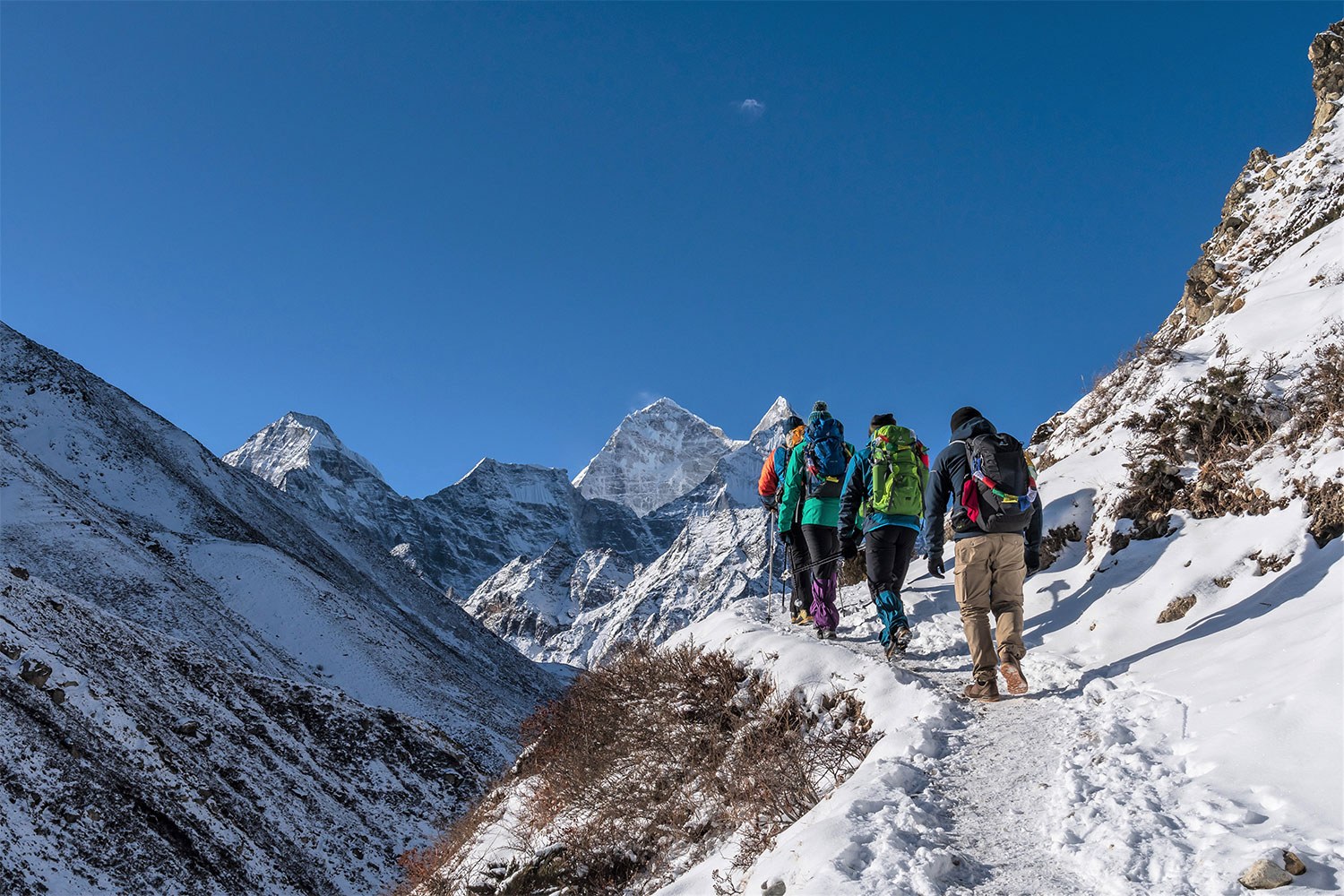
The Everest Panorama Trek (also called the Everest View Trek or Short Everest Trek) is the most popular short trekking package in the Khumbu region for travelers who want jaw-dropping Himalayan views without committing to the full Everest Base Camp trek. In just 7–9 days, you'll walk through Sherpa villages, ancient monasteries, and rhododendron forests while staring straight at Everest, Lhotse, Nuptse, Ama Dablam, and Thamserku.
This guide covers everything a first-time or returning trekker searches for: itinerary, cost breakdown, difficulty level, best season, permits, packing list, and FAQs — updated for the 2026–2027 trekking seasons.
Why Trek the Everest Panorama Route?
- Everest View Hotel, Syangboche – one of the highest-placed hotels in the world, with a terrace looking straight at Everest, Lhotse, and Ama Dablam
- Namche Bazaar – the vibrant Sherpa capital of the Khumbu, with bakeries, gear shops, and a Saturday market
- Tengboche Monastery – the largest and most spiritually significant monastery in the Khumbu, framed by Ama Dablam
- Khumjung & Khunde villages – authentic Sherpa settlements away from the main trekking crowds, home to the Hillary School and Hospital
- Sagarmatha National Park – a UNESCO World Heritage Site with pine and rhododendron forests, Himalayan tahr, and pheasants
- Kyangjuma & Sanasa viewpoints – quiet panoramic lookouts often missed by base camp trekkers
- Lukla flight – rated among the world's most scenic (and thrilling) mountain flights
Everest Panorama Trek Difficulty
The trek is generally rated easy to moderate, making it ideal for beginners, families, and trekkers with limited time or high-altitude experience.
| Factor | Details |
|---|---|
| Difficulty Level | Easy to Moderate |
| Maximum Altitude | ~3,860–3,880 m (Tengboche) / ~3,880 m (Everest View Hotel) |
| Daily Walking Hours | 5–7 hours |
| Daily Distance | 8–12 km |
| Total Trek Distance | ~40–60 km round trip |
| Altitude Sickness Risk | Low to Moderate (proper acclimatization still required) |
| Terrain | Stone-paved trails, forest paths, suspension bridges, moderate ascents/descents |
| Prior Trekking Experience Needed | Not mandatory, but basic fitness recommended |
Key difficulty factors: the steep climb from Phakding to Namche Bazaar, altitude gain above 3,000 m, and long daily walking hours are the main challenges — not technical terrain. A moderate fitness level (regular walking, jogging, or cycling for 4–6 weeks beforehand) is enough preparation for most people.
Everest Panorama Trek Itinerary
| Day | Itinerary | Altitude |
|---|---|---|
| Day 1 | Arrival in Kathmandu | 1,350 m / 4,428 ft |
| Day 2 | Kathmandu → Lukla → Phakding | 2,810 m / 9,184 ft (Lukla) → 2,640 m / 8,698 ft (Phakding) |
| Day 3 | Phakding → Namche Bazaar | 3,440 m / 11,283 ft |
| Day 4 | Namche Bazaar – Day Hike to Everest View Hotel | 3,440 m / 11,283 ft |
| Day 5 | Namche Bazaar → Phakding → Lukla | 2,800 m / 9,184 ft (Lukla) |
| Day 6 | Lukla → Kathmandu | 1,350 m / 4,428 ft |
| Day 7 | Kathmandu – Departure | 1,350 m / 4,428 ft |
Shorter 7-day option: skips Tengboche and turns back after Everest View Hotel/Khunde, reducing max altitude to about 3,880 m. Extended 11–12 day option: adds Kathmandu sightseeing (Pashupatinath, Boudhanath, Swayambhunath, Kathmandu Durbar Square) and an extra acclimatization or side-trip day.
Everest Panorama Trek Cost 2026–2027
| Group Size | Estimated Cost (USD, per person) |
|---|---|
| Solo Traveler | $950 – $1,200 |
| Group of 2–4 | $850 – $1,050 |
| Group of 5+ | $750 – $950 |
What's usually included:
- Domestic flights (Kathmandu–Lukla–Kathmandu)
- Teahouse/lodge accommodation during the trek
- 3 meals a day while trekking
- Licensed English-speaking trekking guide and porter
- Sagarmatha National Park entry permit + Khumbu Pasang Lhamu Rural Municipality entry permit
- Kathmandu airport transfers
Usually excluded (budget separately):
- Nepal entry visa fee
- International flights
- Travel and rescue insurance
- Personal gear, extra snacks, and drinks
- Hot showers and Wi-Fi at higher villages ($3–5 each)
- Tips for guide and porter
Permits Required
| Permit | Approx. Cost |
|---|---|
| Sagarmatha National Park Entry Permit | ~NPR 3,000 (~$22) |
| Khumbu Pasang Lhamu Rural Municipality Entry Fee | ~NPR 2,000 (~$15) |
Note: The TIMS card is not required for the Khumbu/Everest region, as local permits cover this area — always confirm current rules with your operator before departure.
Best Time to Trek
| Season | Months | Conditions |
|---|---|---|
| Spring | March – May | Warm days, blooming rhododendrons, clear mountain views |
| Autumn | September – November | Most popular season, stable weather, best visibility |
| Winter | December – February | Cold, fewer crowds, clear skies but freezing nights |
| Monsoon | June – August | Rainy, cloudy views, leech-prone trails — least recommended |
Packing List Essentials
- Layered clothing (thermal base layer, fleece, down jacket)
- Waterproof/windproof outer shell
- Broken-in trekking boots
- Sleeping bag (rated to at least -10°C)
- Trekking poles
- Headlamp, water purification tablets/filter
- Sunglasses, sunscreen, and a basic first-aid kit including altitude sickness medication (consult your doctor)
Everest Panorama Trek: Flora, Fauna & Natural Beauty
The Everest Panorama Trek offers more than spectacular Himalayan views—it is also a journey through the rich flora, fauna, forests, and natural landscapes of the Everest region. As the trail rises from the lush valleys around Lukla and Phakding toward Namche Bazaar, trekkers pass through beautiful forests, alpine meadows, rivers, waterfalls, and traditional Sherpa villages.
The lower sections of the trek are covered with rhododendron, pine, fir, birch, and juniper forests, creating a colorful and peaceful trekking environment. In spring, blooming rhododendrons add vibrant colors to the landscape, while the higher elevations reveal rugged mountain terrain and stunning views of Mount Everest, Ama Dablam, Thamserku, Lhotse, and other Himalayan peaks.
The Everest region is also home to fascinating Himalayan wildlife. Trekkers may encounter or spot signs of Himalayan thar, musk deer, Himalayan monal (Danphe), pheasants, and other mountain birds. The combination of diverse vegetation, wildlife, pristine mountain scenery, and traditional Sherpa culture makes the Everest Panorama Trek an unforgettable Himalayan adventure.
Highlights of Nature on the Everest Panorama Trek
- Colorful rhododendron forests
- Pine, fir, birch, and juniper forests
- Himalayan wildlife and mountain birds
- Beautiful Himalayan monal (Danphe)
- Panoramic views of Mount Everest and Ama Dablam
- Alpine landscapes and mountain meadows
- Rivers, waterfalls, and peaceful valleys
- Stunning sunrise and sunset views over the Himalayas
Main Attractions of Everest Panorama Trek
The Everest Panorama Trek is a short and scenic Himalayan adventure that combines breathtaking mountain views, Sherpa culture, Buddhist heritage, and beautiful natural landscapes. It is an excellent choice for travelers who want to experience the Everest region without committing to a long Everest Base Camp trek.
1. Stunning Views of Mount Everest: Enjoy spectacular views of Mount Everest, Lhotse, Nuptse, Ama Dablam, Thamserku, and Kongde from several viewpoints along the trail.
2. Everest View Hotel: A highlight of the trek is the hike to Everest View Hotel, one of the best places to enjoy panoramic views of Everest and the surrounding Himalayan peaks.
3. Namche Bazaar: Explore Namche Bazaar, the vibrant Sherpa trading town and gateway to the Everest region. Its mountain scenery, local markets, cafés, and traditional culture make it a memorable stop.
4. Scenic Flight to Lukla: The adventure begins with a spectacular flight from Kathmandu to Lukla, offering incredible aerial views of Nepal's hills and mountains.
5. Sherpa Culture & Villages: Walk through traditional Sherpa settlements and experience local hospitality, Buddhist traditions, prayer flags, monasteries, and unique Himalayan architecture.
6. Sagarmatha National Park: The trek passes through Sagarmatha National Park, a UNESCO World Heritage Site renowned for its dramatic Himalayan landscapes, forests, and diverse wildlife.
7. Beautiful Himalayan Forests: The trail passes through forests of rhododendron, pine, fir, birch, and juniper, which are particularly beautiful during spring.
8. Tengboche Monastery: Depending on the selected itinerary, trekkers can visit Tengboche Monastery, an important Buddhist monastery surrounded by spectacular mountain scenery.
9. Himalayan Wildlife: The region provides opportunities to see birds and wildlife such as the Himalayan monal, musk deer, Himalayan thar, and other mountain species.
10. Sunrise & Sunset Views: The golden light over Everest, Ama Dablam, and the surrounding peaks creates unforgettable Himalayan sunrise and sunset experiences.
People, Culture & Religion on the Everest Panorama Trek
The Everest Panorama Trek offers a wonderful opportunity to experience the unique lifestyle, culture, traditions, and religious heritage of the Sherpa people. As you trek through villages such as Phakding and Namche Bazaar, you can observe traditional houses, prayer flags, mani walls, chortens, monasteries, and the warm hospitality of local communities.
Sherpa People and Lifestyle
The Sherpa community is an important part of life in the Everest region. Their traditional lifestyle is closely connected with the mountains, tourism, farming, and livestock. Trekkers can experience authentic Sherpa hospitality while staying in local tea houses and interacting with village families.
Buddhist Culture and Religion
Tibetan Buddhism has a strong influence on the culture and daily life of the Everest region. Along the trail, you will see Buddhist monasteries, prayer wheels, mani stones, chortens, and colorful prayer flags. Visitors are encouraged to respect local customs, walk clockwise around mani walls and chortens, and spin prayer wheels in the traditional direction.
Festivals and Traditions
Sherpa communities celebrate important Buddhist festivals such as Mani Rimdu, Losar, and Dumji with prayers, ceremonies, traditional music, dances, and community gatherings. If your trek coincides with a local festival, it can provide an especially memorable cultural experience.
Why Experience Sherpa Culture?
The combination of Himalayan scenery, Sherpa hospitality, Buddhist traditions, ancient monasteries, and traditional mountain villages makes the Everest Panorama Trek much more than a scenic trekking journey. It provides an authentic glimpse into the unique cultural heritage of the Everest region.
Frequently Asked Questions
1. What is the Everest Panorama Trek?
It's a short trek in the Khumbu region of Nepal that follows the lower section of the Everest Base Camp trail, offering close-up views of Everest, Lhotse, Ama Dablam, and other major peaks without going all the way to Base Camp.
2. How many days does the Everest Panorama Trek take?
Most itineraries run 7 days, though shorter 5–6 day versions and longer 9–12 day versions (with a Tengboche extension or extra Kathmandu sightseeing) are also available.
3. Is the Everest Panorama Trek suitable for beginners?
Yes — it's widely recommended as an entry-level Himalayan trek since it reaches lower altitudes than Everest Base Camp while still offering equally stunning views, and it involves no technical climbing.
4. What is the highest altitude reached on the trek?
On the standard 7-day route, the highest point is Namche Bazaar/Everest View Hotel area at about 3,440–3,880 m. Extended itineraries that continue to Tengboche Monastery reach around 3,867 m.
5. How difficult is the Everest Panorama Trek?
It's rated easy to moderate. Trekkers walk 5–7 hours a day on well-maintained trails, forest paths, and suspension bridges — the main challenges are stamina and altitude, not technical terrain.
6. What is the best time of year to do the Everest Panorama Trek?
Spring (March–May) and autumn (September–November) are the best seasons, offering clear skies, stable weather, and the best mountain visibility.
7. How much does the Everest Panorama Trek cost?
Prices typically range from about $750–$1,200 per person depending on group size, trip duration, and season — costs are usually lower for larger groups.
8. Do I need a permit for the Everest Panorama Trek?
Yes — a Sagarmatha National Park entry permit and a Khumbu Pasang Lhamu Rural Municipality entry fee are required. Many operators include these permit fees in the trek cost.
9. Do I need a guide or porter for this trek?
It's not legally mandatory, but a licensed guide is strongly recommended for navigation, safety, and cultural insight, and a porter makes the trek far more comfortable by carrying your main luggage.
10. Is altitude sickness a risk on the Everest Panorama Trek?
The risk is lower than on the Everest Base Camp trek since the route stays under 4,000 m, but altitude sickness is still possible above 2,500 m — proper acclimatization, hydration, and a gradual ascent remain important.
11. What is the accommodation like during the trek?
Trekkers stay in teahouses/lodges along the route, offering a bed, blankets, shared bathrooms, and hearty meals — with hot showers and Wi-Fi usually available for a small extra fee at higher villages.
12. What food is available on the trek?
Teahouses serve a mix of Nepali, Tibetan, and Western dishes — dal bhat, momos, noodles, soups, and pancakes are trail staples, along with hot tea and coffee.
13. What are the top visitor attractions on this trek?
Highlights include the Everest View Hotel in Syangboche, Namche Bazaar's Sherpa markets, Tengboche Monastery, the traditional villages of Khumjung and Khunde, Sagarmatha National Park, and the dramatic Lukla mountain flight.
14. How does the Everest Panorama Trek compare to the Everest Base Camp Trek?
The Panorama Trek follows the same trail as far as Namche Bazaar (or Tengboche on extended routes) but turns back before Dingboche, Lobuche, and Base Camp — cutting the trip roughly in half while keeping the best lower-Khumbu mountain views.
15. Is travel insurance necessary for the Everest Panorama Trek?
While not legally required, travel insurance that covers high-altitude trekking, medical emergencies, and helicopter evacuation is strongly recommended for any trek in the Khumbu region
Conclusion
The Everest Panorama Trek is, for most travelers, the smartest way to experience the heart of the Khumbu without the time commitment, altitude risk, or physical toll of the full Everest Base Camp trek. In under a week you get sweeping views of Everest, Ama Dablam, and Lhotse, time in Namche Bazaar and the Sherpa villages of Khumjung and Khunde, and an authentic taste of Himalayan culture — all on a route that's approachable for beginners and families alike.
Whether you choose the compact 7-day version or the fuller 9- to 12-day itinerary with a Tengboche extension and extra Kathmandu sightseeing, the keys to a great trip are the same: go during spring or autumn, budget honestly for extras, and trek with a licensed local operator who builds in proper acclimatization and looks after logistics like permits, flights, and guides.
If you're ready to turn this guide into a booked trip, Team Ram Adventure's Everest Panorama Point Trek runs this exact 7-day route with fixed 2026–2027 departures, experienced local guides, and flexible group sizes — and the itinerary can be customized around your dates, fitness level, or add-ons like a Tengboche extension.
However you plan it, the Everest Panorama Trek delivers some of the best mountain views in Nepal for the time and effort invested — making it one of the most rewarding short treks in the Himalayas.
This guide is intended as general trip-planning information. Costs, permit fees, and itineraries vary by operator and season — always confirm final details directly with a licensed trekking agency before booking.
Ready to trek in the Himalayas?
Get itinerary guidance and local support from the Team Ram Adventure specialists.