 Plan Your Trip Now
In This Guide
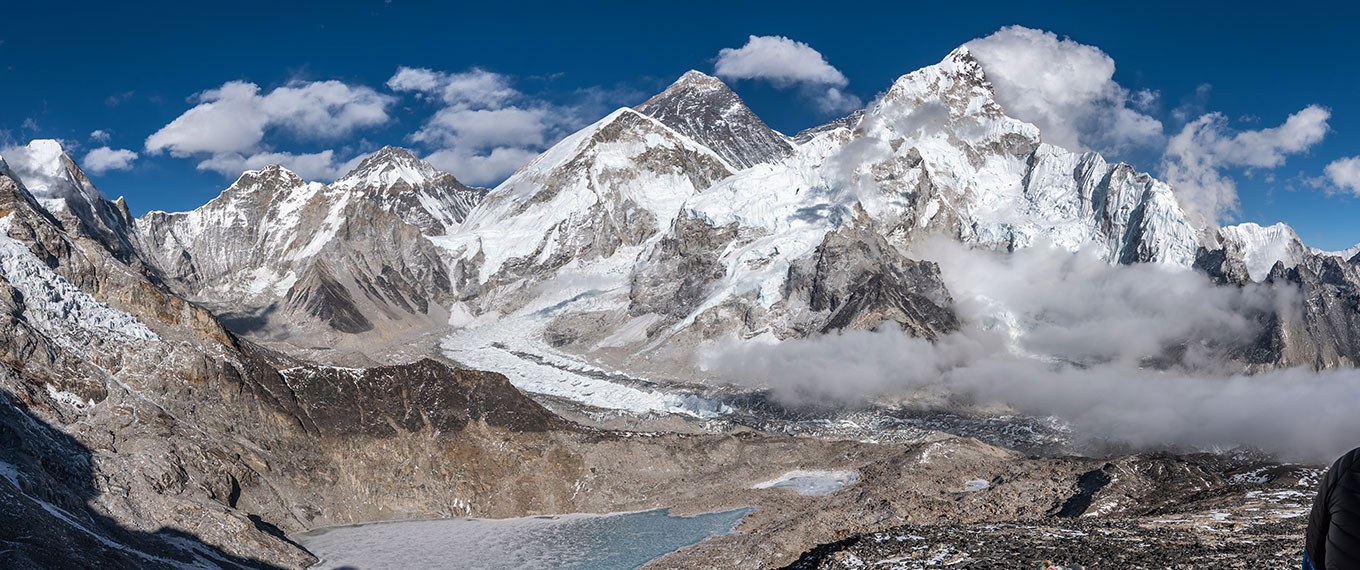
There's a reason the Everest Base Camp Trek tops nearly every serious hiker's bucket list. It isn't just about standing at the foot of the world's tallest mountain — it's the journey itself, winding through Sherpa villages, ancient monasteries, suspension bridges strung high above glacial rivers, and viewpoints that put the entire Khumbu skyline on display.
This guide walks you through everything worth knowing before you go: the attractions you'll pass along the way, what accommodation and trail life actually look like, the best time to trek, permits, packing essentials, and how to plan the trip properly from the very first step.
If you're ready to turn this guide into a real itinerary, Team Ram Adventure's Everest Base Camp Trek is built to take care of the logistics — permits, guides, and accommodation — so you can focus on the experience itself.
Why the Everest Base Camp Trek Belongs on Your Travel List
The Everest Base Camp Trek is more than a walk toward a famous peak. Over roughly two weeks, you'll pass through Sagarmatha National Park, a UNESCO World Heritage Site home to rare wildlife, dramatic alpine scenery, and centuries-old Sherpa culture. Every day on the trail brings a new attraction — a monastery, a suspension bridge, a viewpoint, a village market — and the reward at the end, a close-up view of Mount Everest itself, is one very few travelers ever get to experience firsthand.
Unlike a technical climb, the trek requires no mountaineering skills, just a reasonable level of fitness and the patience to walk at altitude. That accessibility is exactly what makes it one of the most rewarding long-distance treks on Earth.
Trek Overview: Duration, Distance & Difficulty
Most Everest Base Camp itineraries run 12 to 15 days, including acclimatization days, and cover roughly 130 kilometers (80 miles) round trip, starting and ending with a flight in and out of Lukla. The trek is graded strenuous, not because of technical climbing, but because of sustained walking at high altitude — the trail tops out near 5,545 meters at Kala Patthar and 5,364 meters at Base Camp itself.
No prior mountaineering experience is required, but a solid base of cardiovascular fitness and some hiking experience will make the days far more enjoyable.
Top Attractions Along the Everest Base Camp Trek
1. Lukla — The Gateway to Everest
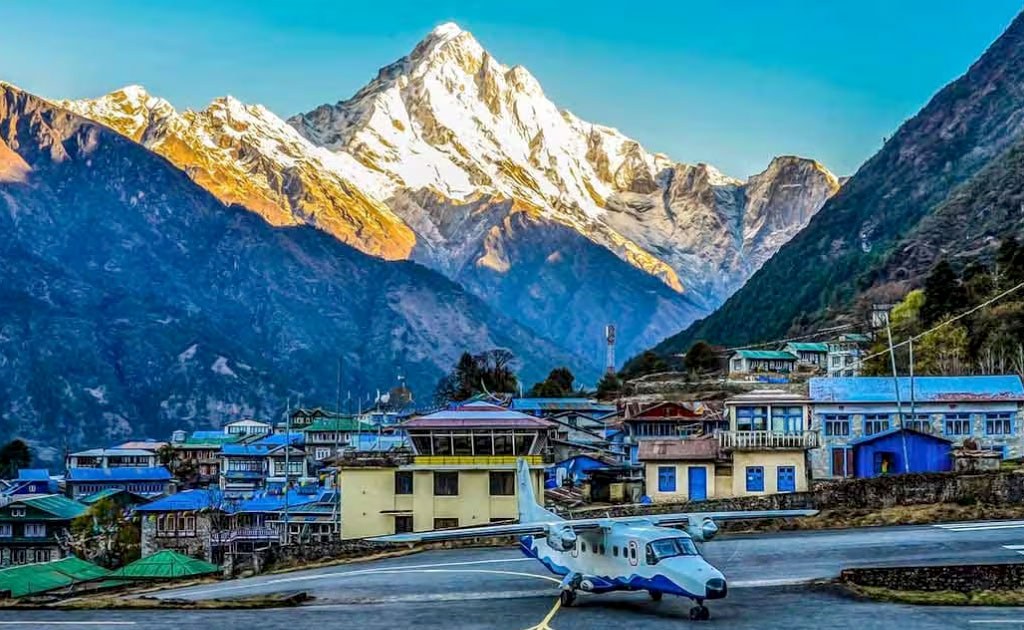
Your adventure begins with one of the most thrilling short flights in the world, landing at Tenzing-Hillary Airport in Lukla. Perched on a mountainside with a famously short runway, Lukla sets the tone for the adventure ahead and marks the true starting point of the trek into the Khumbu region.
2. Phakding and the Dudh Koshi Valley
The first day's walk follows the Dudh Koshi River through pine forest and small farming villages, crossing several suspension bridges strung with fluttering prayer flags. It's a gentle introduction to trail life before the climb toward Namche begins.
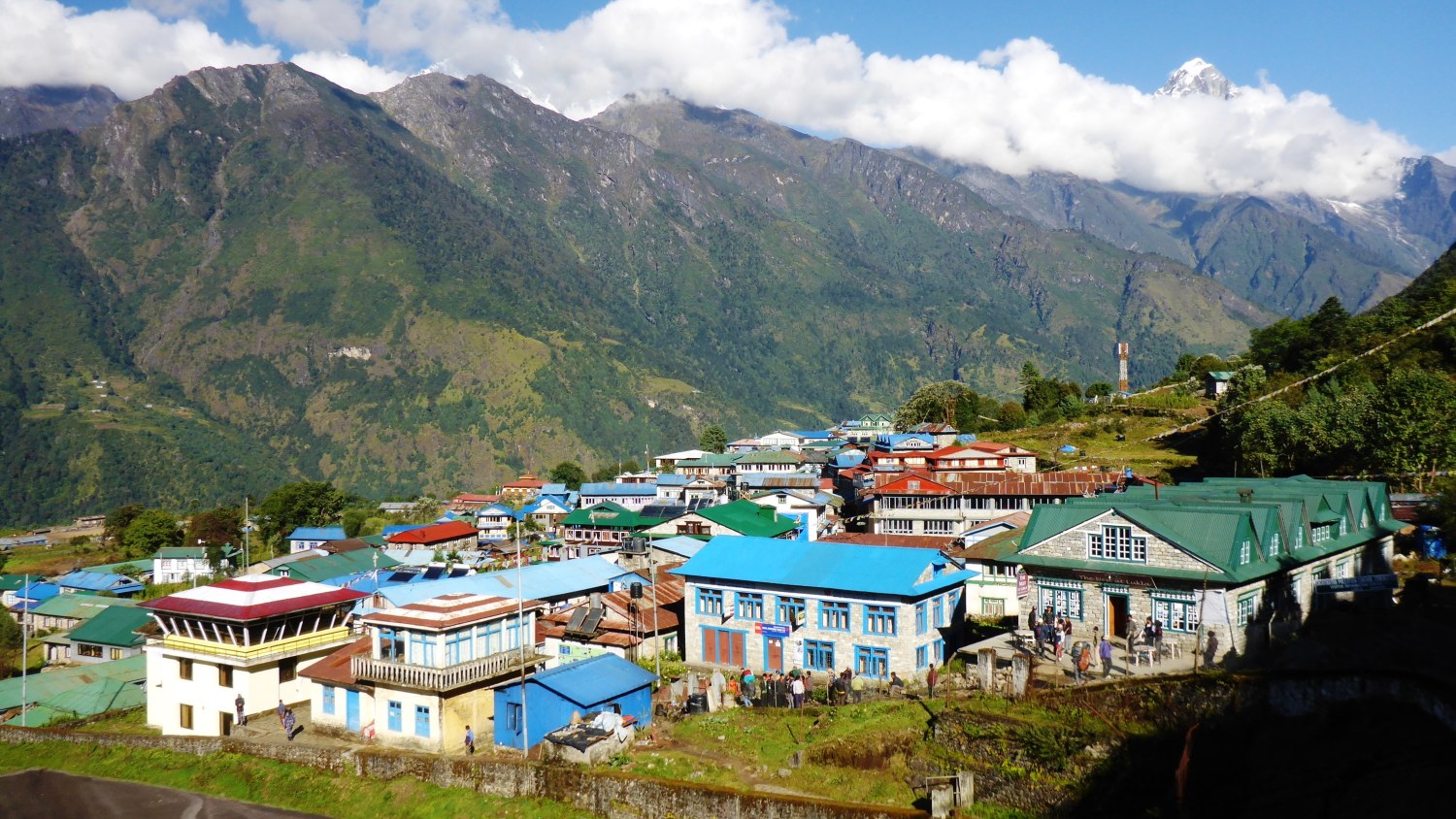
3. Namche Bazaar — The Sherpa Capital
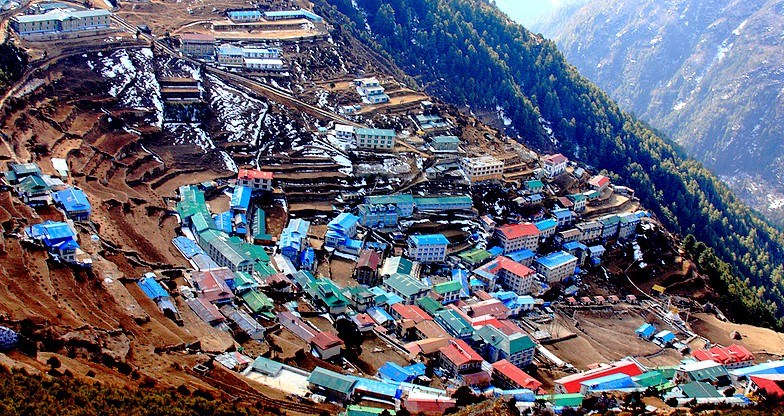
Namche Bazaar is the beating heart of the Khumbu region. This bowl-shaped village built into the hillside is packed with bakeries, gear shops, cozy lodges, and a lively Saturday market where local traders and yak caravans still gather. Most itineraries include an acclimatization day here, giving you time to explore the Sherpa Culture Museum and catch your first real mountain views.
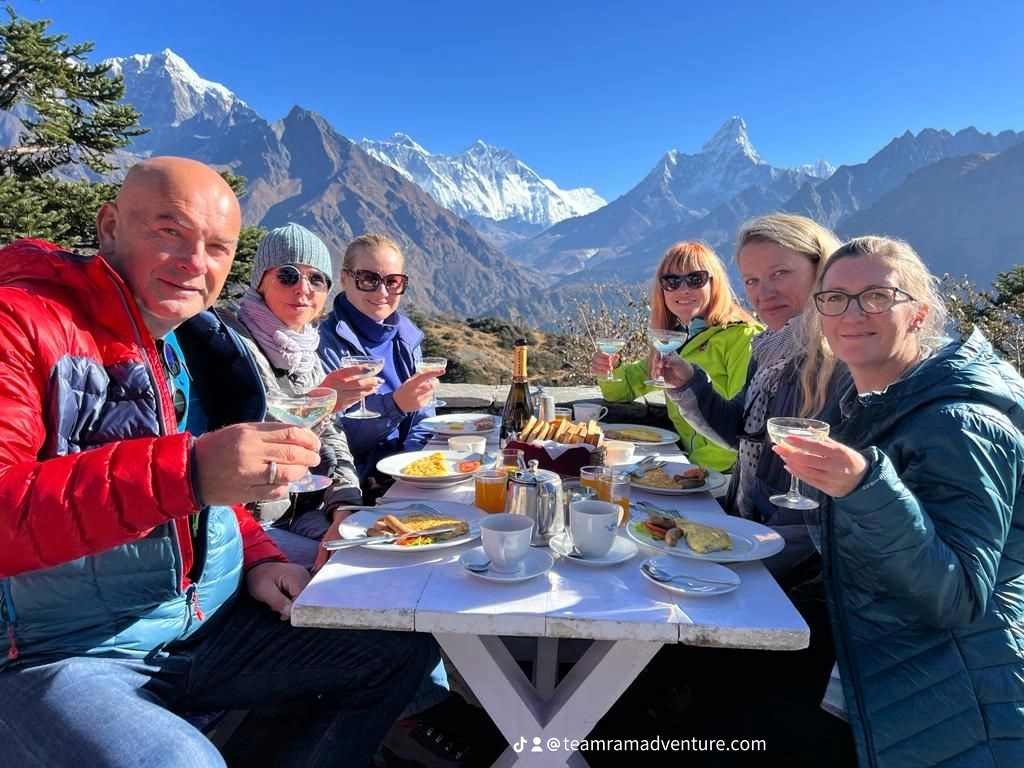
4. Everest View Hotel and Khumjung Village
A short side hike from Namche leads to the Everest View Hotel, home to one of the highest-altitude viewing terraces in the world and a stunning first glimpse of Everest itself. Nearby, the quiet village of Khumjung offers a more authentic look at daily Sherpa life, away from the busier main trail.
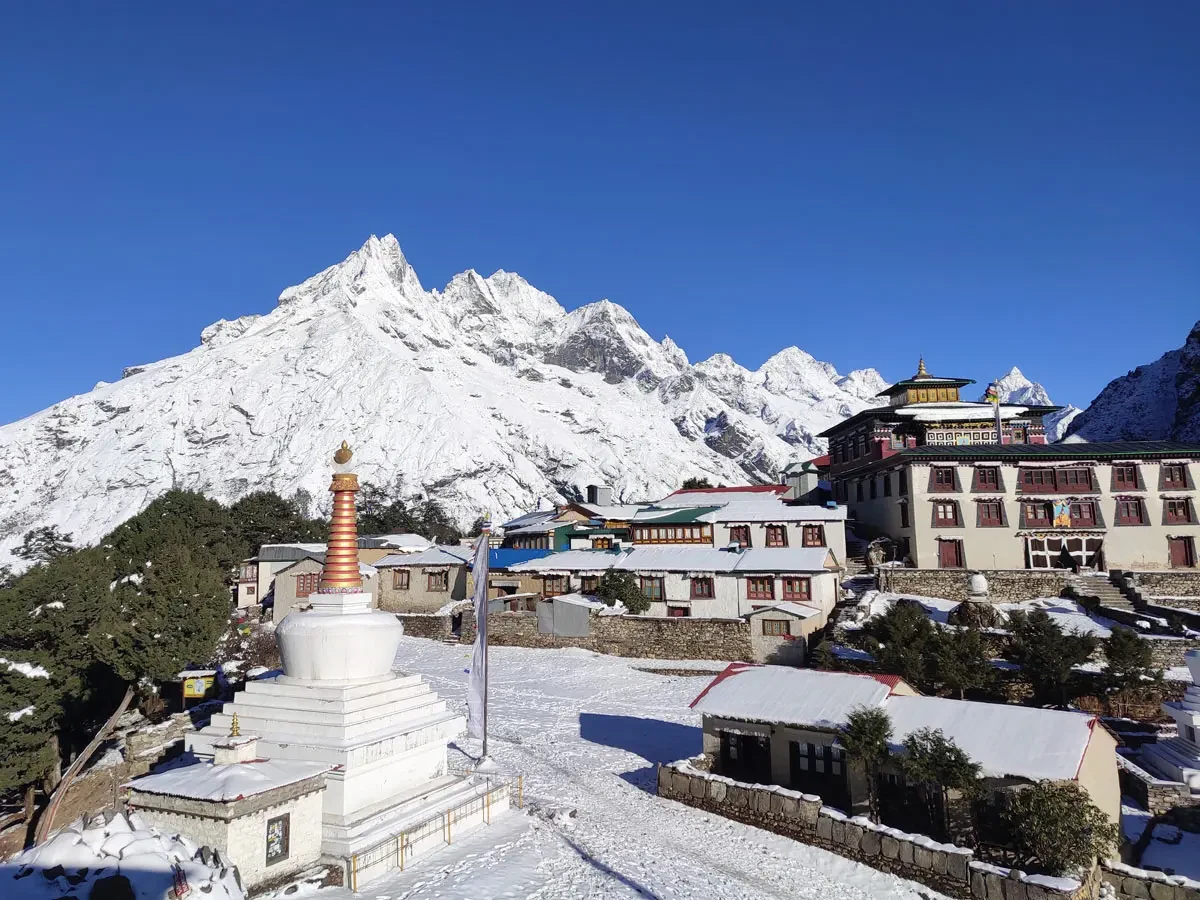
5. Tengboche Monastery
Set on a ridge with a jaw-dropping backdrop of Ama Dablam and Everest, Tengboche Monastery is the largest and most significant monastery in the Khumbu region. Trekkers often time their visit to catch the evening prayer ceremony, a peaceful and memorable experience against one of the most photographed mountain views on the trail.
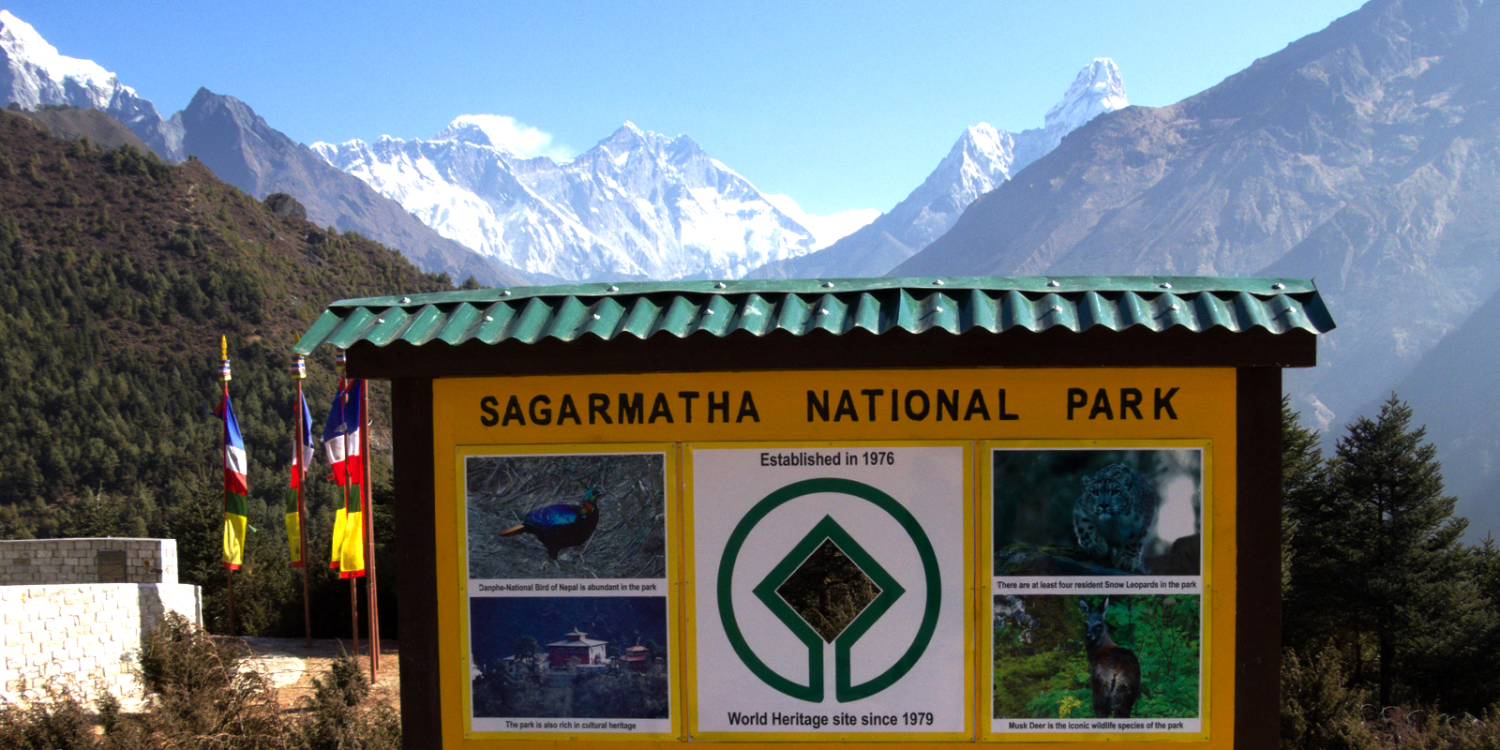
6. Sagarmatha National Park
The trail runs almost entirely through Sagarmatha National Park, home to Himalayan wildlife including musk deer, Himalayan tahr, and if you're fortunate, the elusive snow leopard. The park's pine and rhododendron forests, dramatic valleys, and glacier-fed rivers make it one of the most scenic protected areas anywhere in the world.
7. Dingboche and Pheriche
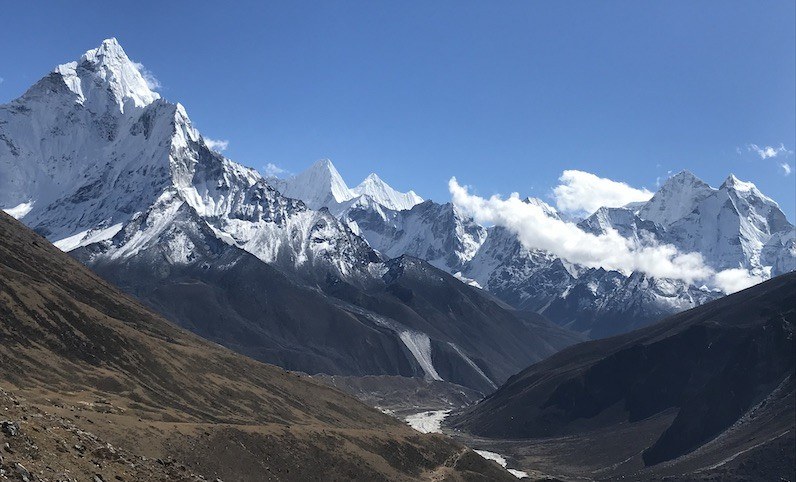
As the trail climbs above the treeline, the villages of Dingboche and Pheriche offer wide, open valley views and a second key acclimatization stop. Surrounded by stone-walled potato fields and towering peaks like Lhotse and Island Peak, this stretch is where the landscape starts to feel genuinely high-altitude.
8. Mani Walls, Chortens, and Prayer Flags
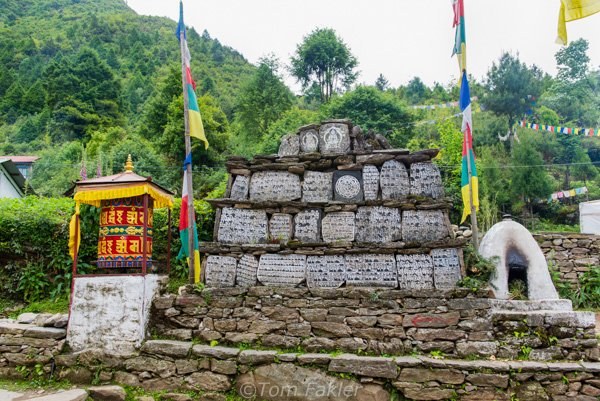
Throughout the upper Khumbu, the trail is lined with Buddhist mani walls carved with sacred inscriptions, stone chortens, and endless strings of prayer flags. Tradition holds that you should always pass these to your left — a small detail that connects trekkers to centuries of local spiritual practice with every step.
9. Khumbu Glacier and the Approach to Base Camp
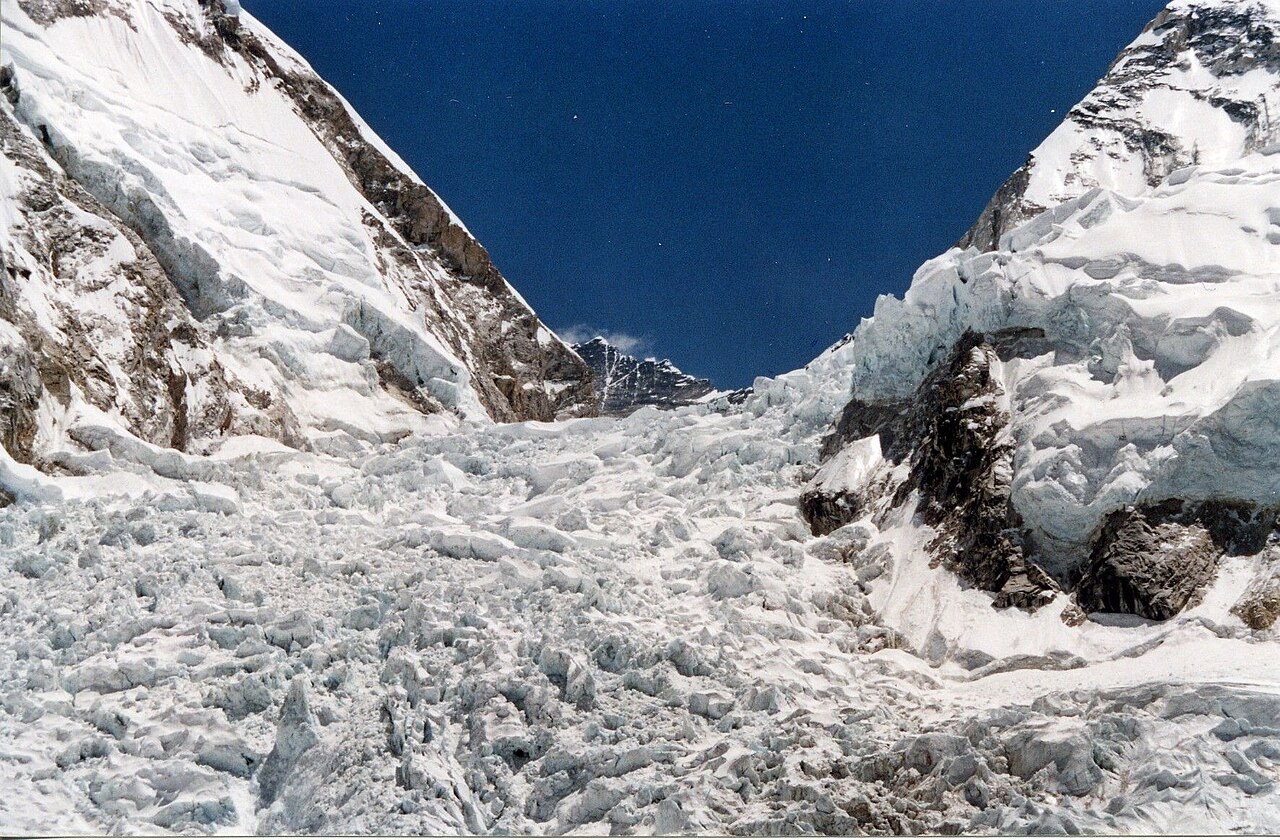
Beyond Lobuche, the trail hugs the edge of the Khumbu Glacier, weaving through a dramatic moraine landscape of ice pinnacles and rock. This section builds real anticipation as Everest Base Camp itself comes into view.
10. Everest Base Camp
The destination itself. Standing on the Khumbu Glacier surrounded by the icefall and a ring of some of the highest peaks on Earth is an experience that stays with trekkers for life. It's the emotional and physical high point of the journey — quite literally.
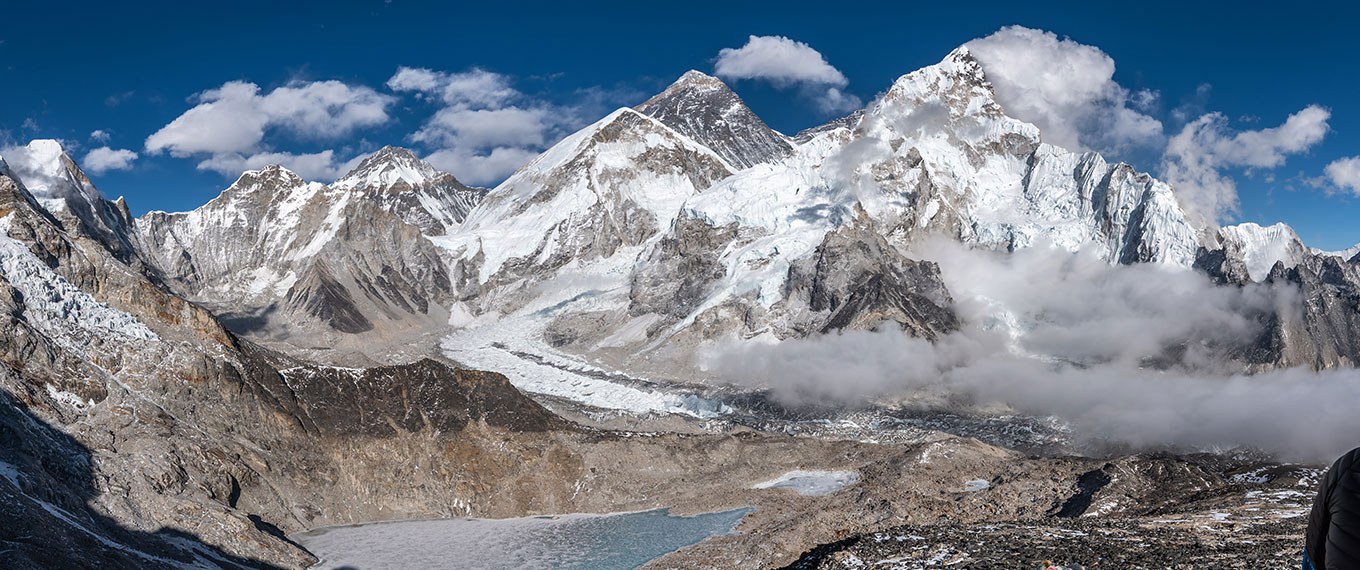
11. Kala Patthar — The Best Everest Viewpoint
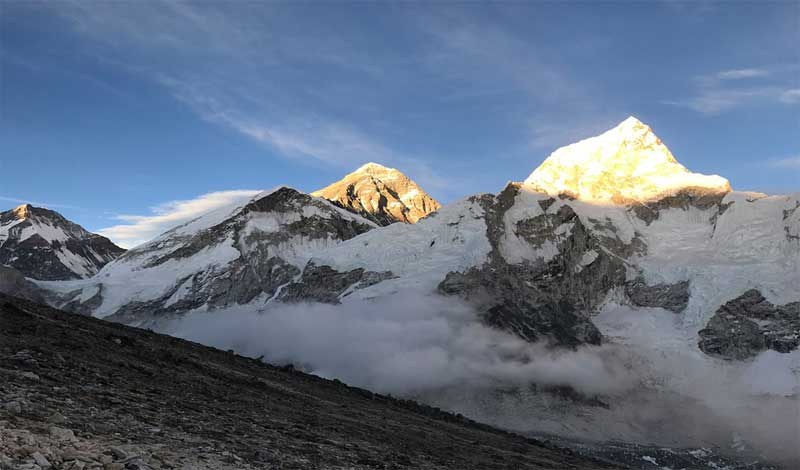
For many trekkers, Kala Patthar is the true highlight of the trip. At over 5,500 meters, this viewpoint offers the closest, clearest panorama of Mount Everest's summit available without technical climbing gear — best enjoyed at sunrise, when the peak turns gold.
12. Gorak Shep
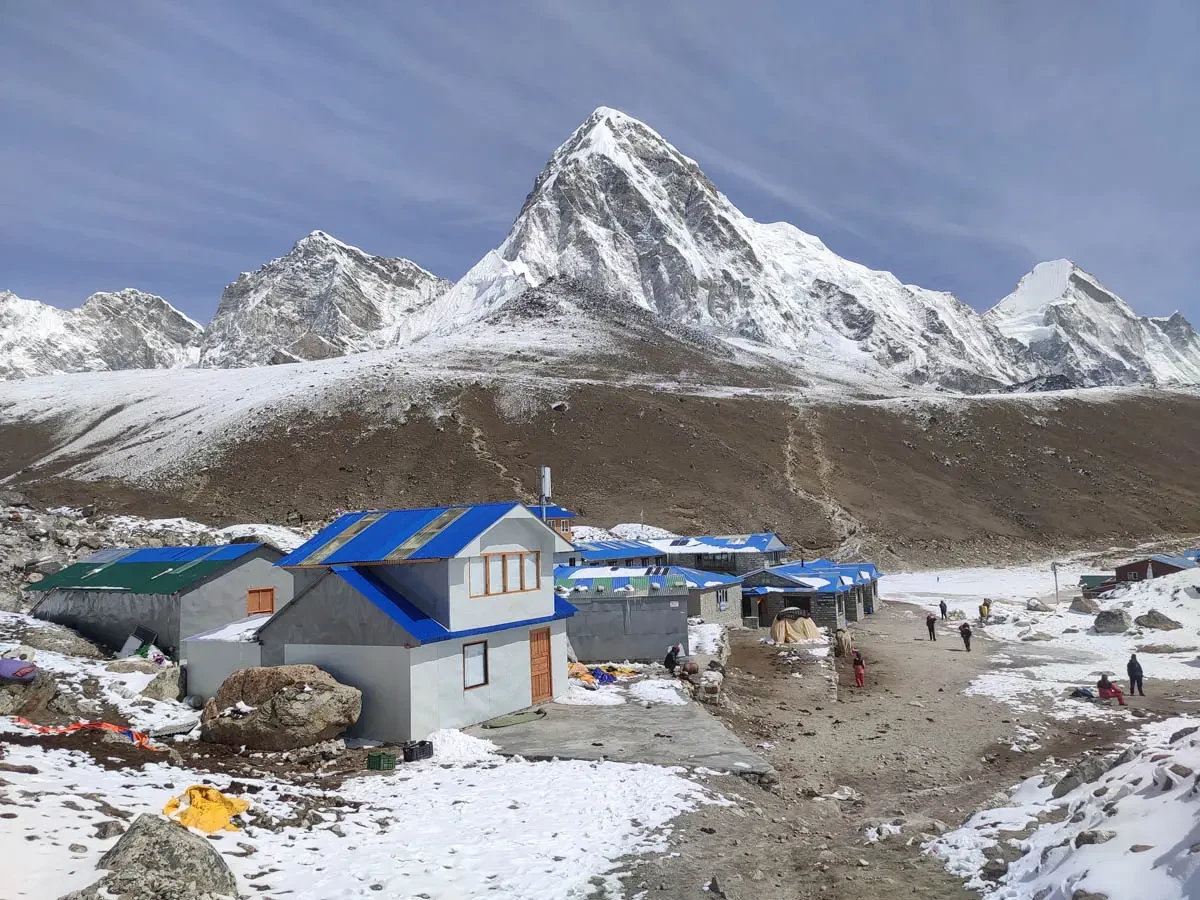
The last settlement before Base Camp and Kala Patthar, Gorak Shep sits on a sandy, high-altitude flat that was once a glacial lake. It's a small, memorable place to rest before or after your final push to the two big highlights of the trek.
Sherpa Culture and Buddhist Heritage on the Trail
The Khumbu region is the ancestral home of the Sherpa people, renowned worldwide for their mountaineering skill and warm hospitality. Trekking through their villages means passing gompas (monasteries), spinning prayer wheels, and sharing dining halls with families who have hosted travelers for generations. Taking time to learn a little about Sherpa Buddhism and local customs adds real depth to the trek beyond the mountain views.
Accommodation on the Everest Base Camp Trek
Accommodation along the trail is almost entirely in teahouses — small, family-run lodges offering a bed and home-cooked meals under one roof. Expect twin-sharing rooms with basic bedding; facilities become simpler the higher you climb.
- Lower villages (Lukla to Namche): Attached or shared bathrooms, hot showers, and Wi-Fi are usually available, often for a small fee.
- Mid-altitude villages (Tengboche to Dingboche): Rooms remain simple, with shared bathrooms more common and hot showers sometimes limited.
- Higher villages (Lobuche, Gorak Shep): Basic rooms, shared facilities, limited electricity (often solar), and cold nights — a good sleeping bag is essential here.
Most trekking packages, including Team Ram Adventure's itinerary, arrange these stays in advance so you're never left searching for a bed after a long day on the trail.
Best Time to Trek to Everest Base Camp
The Everest region is best visited during spring (March–May) and autumn (September–November), when skies are clear, temperatures are manageable, and mountain views are at their best. Autumn tends to offer the most stable weather right after the monsoon, while spring brings blooming rhododendron forests along the lower trail. Both seasons offer excellent conditions for enjoying every attraction on this list.
Everest Base Camp Trek Itinerary
Day 1 : Arrival in Kathmandu Nepal 1350m, and transfer to your hotel with B/B plan
Day 2 : Flight to To Lukla 2850m, and trek to Phakding 2610m 3-4 hrs
Day 3 : Phakding to Namche Bazaar 3440, 5-6 hrs
Day 4 : Rest Day at Namche Bazaar and Hike to Everest View Hotel 3880m,
Day 5 : Trek to Tangbouche/Dibouche 3820m,5 hrs
Day 6 : Trek to Dingbouche
Day 7 : Acclimatization day at Dingbouche.
Day 8 : Trek to Labouche from Dingbouche via Thukla 4910m, 5 hrs
Day 09 : Trek to Gokrak Shap 5180m, and Hike to Everest Base Camp 5364m, 6/7 hrs
Day 10 : Hike to Kalapather 5550m, and trek back to pheriche 4300m, 6/7 hrs
Day 11 : Trek to Kyanjuma 3800m, 5/6
Day 12 : Trek to Phakding Via Namche 2610m, 5 hrs
Day 13 : Trek back to Lukla 2830m, 3/4 hrs
Day 14 : Flight Back to Kathmandu from Lukla 35 minutes 1350m,
Day 15 : Final Departure
Permits You'll Need
Trekkers need two main permits to enter the Khumbu region:
- Sagarmatha National Park Entry Permit
- Khumbu Pasang Lhamu Rural Municipality Entry Permit
These are typically arranged for you as part of a guided trekking package, saving you the hassle of sorting out paperwork once you've already arrived in Nepal.
Packing Essentials for the Trek
A few key items make a noticeable difference in comfort at altitude:
- A four-season sleeping bag rated for sub-zero temperatures
- Layered clothing: moisture-wicking base layers, insulating mid-layers, and a windproof/waterproof outer shell
- Sturdy, broken-in trekking boots
- Trekking poles for the steep descents
- A headlamp, sun protection, and a basic first-aid kit
- A power bank, since charging becomes limited and costly at higher elevations
Altitude and Acclimatization
Altitude sickness is the biggest risk on this trek, not fitness. A well-designed itinerary builds in rest days at Namche Bazaar and Dingboche to let your body adjust gradually, along with a "climb high, sleep low" approach on key stretches. Staying hydrated, walking at a steady pace, and listening to your guide's advice are the best ways to enjoy the trek safely.
Frequently Asked Questions
1. How difficult is the Everest Base Camp Trek?
The Everest Base Camp Trek is graded strenuous, but it's non-technical — no climbing skills or ropes are needed. The main challenge is walking long days at high altitude, so a good baseline of cardiovascular fitness makes the biggest difference in how comfortable the trek feels.
2. How many days does the Everest Base Camp Trek take?
Most itineraries run 12 to 15 days round trip from Kathmandu, including two built-in acclimatization days at Namche Bazaar and Dingboche. Shorter and longer variations exist, but this range covers the classic route comfortably.
3. What is the best time of year to trek to Everest Base Camp?
Spring (March–May) and autumn (September–November) are the best seasons, offering the clearest skies, stable weather, and the best mountain visibility. Autumn is generally the most popular for its dry, settled conditions right after the monsoon.
4. How high is Everest Base Camp, and how hard is the altitude?
Everest Base Camp sits at 5,364 meters (17,598 ft), with the nearby Kala Patthar viewpoint reaching about 5,545 meters (18,192 ft). Altitude sickness, not physical fitness, is the biggest risk on the trek, which is why acclimatization days are essential rather than optional.
5. Do I need prior trekking or mountaineering experience?
No technical experience is required — this is a walking trek, not a climb. That said, some hiking background and a reasonable fitness level will make the daily 5–7 hour walks much more enjoyable.
6. What permits do I need for the Everest Base Camp Trek?
You'll need a Sagarmatha National Park Entry Permit and a Khumbu Pasang Lhamu Rural Municipality Entry Permit. These are usually arranged for you as part of a guided trekking package, so you don't have to sort out paperwork after arriving in Nepal.
7. Is Wi-Fi and electricity available on the trail?
Yes, most teahouses offer Wi-Fi and charging for an extra fee, though both become slower, pricier, and less reliable the higher you climb — especially above Namche Bazaar and near Gorak Shep.
8. What kind of accommodation should I expect?
You'll stay in teahouses — small, family-run lodges with twin-sharing rooms and home-cooked meals. Lower villages offer attached bathrooms and hot showers, while higher villages like Lobuche and Gorak Shep have more basic, shared facilities.
9. What should I pack for the Everest Base Camp Trek?
Key essentials include a four-season sleeping bag, layered clothing (base, insulating, and waterproof shell layers), broken-in trekking boots, trekking poles, a headlamp, and a power bank for charging devices at higher elevations.
10. Can beginners do the Everest Base Camp Trek?
Yes, many first-time trekkers complete it successfully with the right preparation — training a few months in advance, pacing yourself for altitude, and trekking with an experienced guide. A well-structured itinerary with proper acclimatization days makes the trek accessible even without prior high-altitude experience.
Have more questions about the trek? Team Ram Adventure's Everest Base Camp Trek page has full itinerary, cost, and booking details, or you can reach out directly to plan a route matched to your fitness level and travel dates.
Plan Your Everest Base Camp Trek with Team Ram Adventure
Seeing these attractions in person takes careful planning, the right permits, and experienced local guides who know the trail and the culture. Team Ram Adventure's Everest Base Camp Trek is built around exactly that: a well-paced itinerary with proper acclimatization days, comfortable teahouse stays, and knowledgeable Sherpa guides who bring each stop on this list to life.
Whether it's your first big trek or you're a seasoned mountain traveler, Team Ram Adventure can help you turn this guide into your own Everest story.
Ready to start planning? Explore the full Everest Base Camp Trek itinerary and reserve your spot today.
Ready to trek in the Himalayas?
Get itinerary guidance and local support from the Team Ram Adventure specialists.