 Plan Your Trip Now
In This Guide
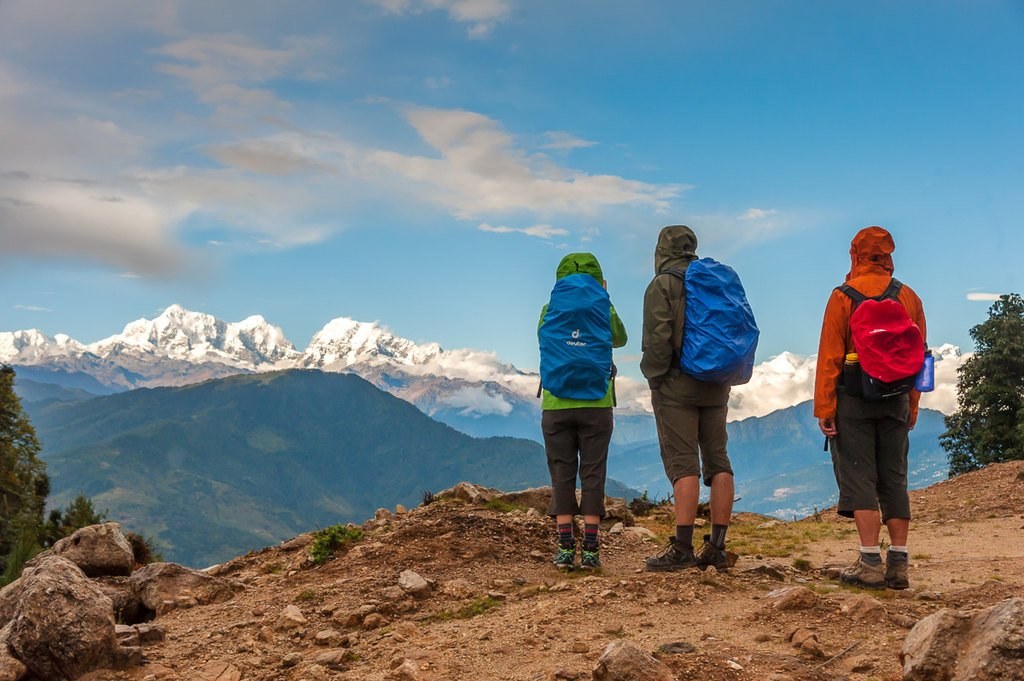
If you dream of standing face to face with Mount Everest, Makalu, and Kanchenjunga but don't want the crowded trails or long duration of the classic Everest Base Camp route, the Pikey Peak Trek is the answer. Tucked away in the lower Solu-Khumbu region, this moderate trek rewards you with one of the widest Himalayan panoramas in Nepal — without the queues, the high price tag, or the extreme altitude.
In this guide, we'll walk you through everything you need to know before booking your Pikey Peak Trekking adventure with Team Ram Adventure — from the best season to trek, difficulty level, day-by-day itinerary, permits, packing list, and answers to the questions trekkers ask us most.
Where Is Pikey Peak and Why You Should Trek There
Pikey Peak sits at 4,065–4,070 meters in the lower Everest (Khumbu) region of eastern Nepal, considered sacred by local Sherpa communities as the seat of a guardian deity. Unlike Everest Base Camp, which sits deep inside the high mountains, Pikey Peak is a standalone viewpoint that offers an outward-facing panorama — meaning you see the entire Himalayan skyline stretched in front of you rather than being boxed in by nearby ridgelines.
From its summit, a clear morning delivers sweeping views of Everest, Lhotse, Cho Oyu, Makalu, Kanchenjunga, Gaurishankar, Thamserku, and Numbur — all in a single frame. It's often called the best sunrise viewpoint in the entire Everest region, and it's precisely why the late travel writer Sir Edmund Hillary reportedly praised the view from Pikey as one of the finest in Nepal.
Pikey Peak Trek Highlights
- Panoramic sunrise views of Everest, Makalu, Kanchenjunga and Cho Oyu from a single summit
- Authentic Sherpa villages such as Junbesi, Ngaur, and Phaplu, largely untouched by mass tourism
- Rhododendron, oak, birch, and pine forests bursting with color in spring
- Ancient monasteries including Thupten Chholing, one of the most important Sherpa monasteries outside Tibet
- A shorter, quieter, and more affordable alternative to Everest Base Camp
- Comfortable teahouse trekking suitable for beginners and families
Best Season for Pikey Peak Trek
Choosing the right season makes a big difference on this trail. Here's a season-by-season breakdown:
Spring (March to May)
Warm days, blooming rhododendron forests, and clear mountain visibility make spring the most popular season for the Pikey Peak Trek.
Autumn (September to November)
Widely considered the best time to trek Pikey Peak — stable weather, crisp skies, and the clearest mountain views of the year.
Winter (December to February)
Cold but doable. Skies are often crystal clear, and the trail is far quieter, though warm gear is essential.
Monsoon (June to August)
Not recommended. Heavy rainfall, leeches, and cloud cover obscure the mountain views that make this trek worthwhile.
Pikey Peak Trek Difficulty: Is It Right for You?
The Pikey Peak Trek difficulty is rated moderate, making it one of the more approachable treks in the Everest region. Daily walking averages 4–6 hours over well-defined trails with a mix of gradual ascents and descents through forest and farmland.
Because the maximum altitude (around 4,065–4,070 m) is well below the level where serious altitude sickness typically becomes a major concern, this trek is ideal for:
- First-time trekkers building confidence before attempting EBC or Annapurna Base Camp
- Families with older children
- Trekkers with limited vacation time who still want an authentic high-Himalaya experience
- Anyone seeking a quieter, less commercialized route through the Khumbu foothills
A reasonable fitness level — the ability to walk several hours a day on uneven terrain — is recommended, along with pre-trip cardio preparation.
Why Trek Pikey Peak with Team Ram Adventure
Team Ram Adventure brings local, Kathmandu-based expertise to the Pikey Peak Trek, with experienced, government-licensed guides who know the Solu region's trails, culture, and safety considerations firsthand. Trips are backed by best-price guarantees, no hidden costs, transparent inclusions covering permits, accommodation, meals, and domestic flights, and responsive support with a 24-hour inquiry response time. With small group sizes, attentive porter and guide service, and a genuine commitment to showing travelers the authentic Everest region beyond the crowded main trails, Team Ram Adventure offers a well-organized, personal, and reliable way to experience Pikey Peak.
Pikey Peak Trek Itinerary
Team Ram Adventure's classic Pikey Peak Trekking itinerary combines the summit hike with a rich cultural loop through the Solu region:
Day 1: Arrival in Kathmandu, welcome dinner and trek briefing
Day 2: Drive from Kathmandu to Phaplu
Day 3: Trek to Gumne Mera via Rat Nage Pass
Day 4: Trek to Taksindu, visit the cliffside monastery
Day 5: Trek to Junbesi, the cultural heart of the Solu Sherpa
Day 6: Day hike to Thupten Chholing Monastery, return to Junbesi
Day 7: Trek to Ngaur village
Day 8: Pre-dawn hike to Pikey Peak summit (4,070 m) for sunrise, descend to base camp
Day 9: Trek to Jhapre
Day 10: Trek to Ghorpiteng, visit the local monastery
Day 11: Trek to Dhap, mountain viewing tower
Day 12: Trek back to Phaplu, fly or drive to Kathmandu
Day 13: Final departure from Kathmandu
This full loop route allows for deep cultural immersion in addition to the summit push. Shorter 5–7 day versions of the trek are also available for travelers with tighter schedules — see the full Pikey Peak Trek itinerary and pricing for details.
Pikey Peak Trek vs Everest Base Camp Trek: Which Should You Choose?
| Factor | Pikey Peak Trek | Everest Base Camp Trek |
|---|---|---|
| Max Altitude | ~4,070 m | ~5,364 m |
| Duration | 5–13 days | 12–14 days |
| Crowds | Quiet, off-the-beaten-path | Busy, especially in peak season |
| Views | Wide panoramic skyline of multiple 8,000ers | Close-up views inside the Khumbu valley |
| Difficulty | Moderate | Strenuous |
| Best For | Beginners, families, short trips | Experienced trekkers seeking the classic EBC route |
If you're short on time, want a gentler introduction to Himalayan trekking, or simply prefer a quieter trail, Pikey Peak is the better fit. If reaching the foot of Everest itself is your bucket-list goal, EBC remains the classic choice.
Permits and Costs for Pikey Peak Trekking
Trekkers need two permits for this route, both arranged by your trekking agency:
- Sagarmatha National Park Entry Permit
- Khumbu Pasang Lhamu Rural Municipality Permit
No TIMS card is required for this particular route, though this can vary by season and starting point, so confirm with your operator before departure. Team Ram Adventure's Pikey Peak Trek package includes airport transfers, hotel stays in Kathmandu, teahouse accommodation, all trekking meals, an experienced English-speaking guide, porter service, domestic flights between Kathmandu and Phaplu where applicable, and all necessary permits — check the Pikey Peak Trek cost and inclusions for the full breakdown.
What to Pack for the Pikey Peak Trek
A well-planned packing list keeps you comfortable at altitude and through changing forest-to-alpine conditions:
- Insulated down jacket and fleece layers
- Waterproof, breathable outer shell
- Broken-in hiking boots with spare laces
- Warm hat, gloves, sunglasses with UV protection
- Four-season sleeping bag
- Headlamp with spare batteries
- Trekking poles
- Reusable water bottles and a basic first-aid kit
- Power bank, since electricity is limited along the trail
Accommodation and Food Along the Trail
Trekkers stay in a mix of teahouses, local lodges, and community homestays through Sherpa villages such as Junbesi, Ngaur, Jhapre, and Dhap. Rooms are simple but comfortable, typically with shared bathrooms. Meals feature traditional Nepali dal bhat, noodle dishes, soups, and simple Western options, giving you plenty of energy for each day's walk.
Sherpa Life and Sacred Traditions Along the Pikey Peak Trail
The Pikey Peak Trek passes through the heart of the Solu region, home to some of Nepal's most welcoming Sherpa communities. Villages like Junbesi, Ngaur, and Phaplu retain a way of life shaped by Tibetan Buddhism, with prayer flags, mani walls, and centuries-old monasteries such as Thupten Chholing marking the trail. Pikey Peak itself is considered sacred, believed to be the seat of a guardian Sherpa deity, and local festivals like Mani Rimdu bring the region's spiritual traditions vividly to life. Trekking here offers not just mountain views but a genuine window into Himalayan culture, hospitality, and faith.
Forests, Flowers, and Wildlife of the Pikey Peak Trail
The Pikey Peak Trek winds through a striking range of ecosystems, from lush lower forests of oak, birch, and pine to high-altitude rhododendron groves that burst into red, pink, and white blooms each spring. These forests provide habitat for a rich variety of wildlife, including Himalayan pheasants, musk deer, and langur monkeys, while the region's diverse vegetation and elevation range make it a haven for birdwatchers, with numerous local and migratory species spotted along the route. Walking through this changing landscape adds a quiet, natural rhythm to the trek, balancing the drama of the mountain views with the calm of Nepal's Himalayan forests.
Why the Pikey Peak Trek Should Be on Your Nepal Bucket List
The Pikey Peak Trek stands out as one of the best short treks in the Everest region, offering sweeping panoramic views of Everest, Makalu, Kanchenjunga, and Cho Oyu without the crowds, cost, or time commitment of the classic Everest Base Camp route. Its moderate difficulty and lower altitude make it accessible to beginners, families, and travelers with limited vacation time, while its quiet trails through Sherpa villages, ancient monasteries, and rhododendron forests offer a more authentic, off-the-beaten-path Himalayan experience. For anyone wanting maximum mountain reward for minimum time and effort, Pikey Peak is hard to beat.
Frequently Asked Questions About the Pikey Peak Trek
1. Is the Pikey Peak Trek suitable for beginners?
Yes. Its moderate grade and lower altitude make it one of the most beginner-friendly treks in the Everest region.
2. How many days does the Pikey Peak Trek take?
Standard itineraries run 5–7 days for the shorter version, or up to 13 days for the full cultural loop offered by Team Ram Adventure.
3. Can I see Everest from Pikey Peak?
Yes — on a clear day, the summit offers unobstructed views of Everest alongside Lhotse, Makalu, Cho Oyu, and Kanchenjunga.
4. Do I need prior trekking experience?
No prior experience is required, though reasonable fitness will make the trek more enjoyable.
Ready to Trek Pikey Peak?
Few treks in Nepal offer this much Himalayan reward for this little commitment. Whether you're chasing your first sunrise over Everest or looking for a quieter alternative to the crowded classic routes, the Pikey Peak Trek delivers an unforgettable, authentic Himalayan experience.
View the full Pikey Peak Trek itinerary, dates, and pricing →
Have questions about the trek? Contact Team Ram Adventure and our local Kathmandu-based experts will help you plan the perfect trip.
Ready to trek in the Himalayas?
Get itinerary guidance and local support from the Team Ram Adventure specialists.