 Plan Your Trip Now

Everest Base Camp Trek Cost and Itinerary

6th Jun, 2024
- teamramadventure
The Everest Base Camp Trek cost depends on travel style, service level, trek duration, and the season you choose. The Everest Base Camp trek is one of the world’s most iconic trekking adventures, combining dramatic Himalayan scenery, deep-rooted Sherpa culture, and the rare opportunity to stand at the base of Mount Everest, the highest mountain on Earth. Every year, thousands of trekkers plan this journey, and understanding the total cost in advance helps ensure a smooth and well-prepared experience.
Table of Contents
Why Choose the Everest Base Camp Trek?
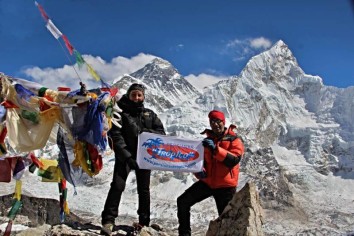
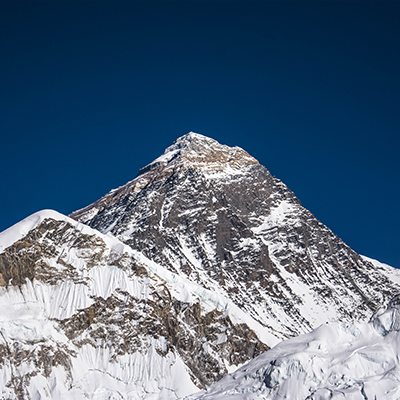
The Everest Base Camp Trek attracts travelers for more than just Mount Everest. The journey passes through lively Sherpa towns, quiet monasteries, suspension bridges, glaciers, and high-altitude valleys inside Sagarmatha National Park. Trekkers experience places such as Namche Bazaar, Tengboche Monastery, Dingboche, Lobuche, and Gorak Shep before reaching Everest Base Camp at 5,364 meters. The sunrise view from Kala Patthar at 5,545 meters is often considered the highlight of the entire trek.
Cost of the Everest Base Camp Trek
For a standard 14-day Everest Base Camp trek, the total cost usually ranges from USD 1,200 to USD 2,500 per person. The final price varies based on accommodation type, guide and porter services, flights, food choices, and whether the trek is guided, semi-guided, or fully supported.
Permit and Entry Fees
All trekkers must pay mandatory permits to enter the Everest region. These fees are fixed and unavoidable.
Sagarmatha National Park Entry Permit costs approximately USD 30 per person.
Khumbu Pasang Lhamu Rural Municipality Permit costs around USD 20 per person.
TIMS card costs about USD 20, depending on trek type and operator.
Transportation Costs
Flights from Kathmandu to Lukla are one of the biggest expenses. A one-way flight typically costs around USD 200, making the round-trip cost approximately USD 400. During peak seasons, flights may operate from Ramechhap instead of Kathmandu, which can slightly change transport costs. Ground transportation within Kathmandu usually costs between USD 20 and USD 30.
Accommodation Costs
Accommodation prices vary by location and comfort level. In Kathmandu, hotels typically range from USD 30 to USD 100 per night, depending on quality and location. On the trekking route, teahouse accommodation usually costs between USD 5 and USD 10 per night. Rooms are basic, especially at higher altitudes, but clean and adequate for trekkers.
Food and Drink Expenses
Meals in Kathmandu generally cost between USD 5 and USD 15 per meal. On the trek, meals range from USD 5 to USD 12 per meal, depending on altitude and food choice. Drinking water costs increase with elevation, usually ranging from USD 1 to USD 3 per liter. Many trekkers use water purification tablets or filters to reduce costs and plastic waste.
Guide and Porter Costs
Hiring a guide and porter adds safety, comfort, and local knowledge. A licensed trekking guide typically costs USD 25 to USD 30 per day. A porter costs around USD 15 to USD 20 per day. At the end of the trek, tips are customary, with most trekkers budgeting USD 100 to USD 150 total for guides and porters combined.
Gear and Equipment Costs
If you do not already own trekking gear, rental is available in Kathmandu. Rental costs range from USD 1 to USD 10 per item per day. Buying new gear can cost anywhere from USD 500 to USD 1,000 depending on quality and brand. Essential items include a down jacket, sleeping bag, trekking boots, and thermal layers.
Miscellaneous Costs
Travel insurance with high-altitude trekking coverage usually costs between USD 100 and USD 200. A Nepal tourist visa costs USD 30 to USD 50 depending on length of stay. Internet access and battery charging along the trail typically cost USD 1 to USD 5 per hour.
Everest Base Camp Trek Itinerary Overview
A typical Everest Base Camp trek follows a 14-day itinerary. The journey starts in Kathmandu, followed by a scenic flight to Lukla and gradual trekking through Phakding, Namche Bazaar, Tengboche, Dingboche, Lobuche, and Gorak Shep. Trekkers visit Everest Base Camp and hike to Kala Patthar before descending back to Lukla and flying to Kathmandu. The itinerary includes acclimatization days to reduce altitude-related risks.
Best Seasons and Cost Impact
The most popular trekking seasons are spring from March to May and autumn from September to November. These months offer stable weather and clear mountain views, but prices are slightly higher due to demand. Winter and monsoon seasons are more budget-friendly but come with colder temperatures or increased rainfall.
Tips for Managing Everest Base Camp Trek Cost
Proper acclimatization reduces the risk of evacuation, which can be expensive. Packing wisely helps avoid unnecessary rentals. Staying hydrated and eating local meals keeps daily costs lower. Booking through a reliable local trekking company improves value and supports fair wages for guides and porters.
The Everest Base Camp Trek remains a once-in-a-lifetime journey. Understanding the full cost breakdown allows trekkers to plan confidently and focus on the experience rather than unexpected expenses. With careful planning, realistic budgeting, and the right support team, the Everest Base Camp trek delivers unmatched adventure, cultural insight, and Himalayan scenery that justifies every dollar spent.
Recent Posts

Luxury Lodge Trek to Everest Base Camp
1st Feb, 2023

Top 10 Best Short Trekking Destinations in Nepal
3rd Mar, 2023

Tips for the successful Everest Base Camp trek
5th Apr, 2023

Tips for successful Annapurna Base Camp Trek
5th Apr, 2023

Popular places to see in the Everest Base Camp trek
5th Apr, 2023

Route Map of Nar Phu Valley Trek
9th Apr, 2023

Route map of the Everest Base Camp Trek
9th Feb, 2026

Top 5 Trekking destination in Nepal
30th Apr, 2023
Off the Beaten Path treks in Nepal
30th Apr, 2023

Best short trek for beginners in Nepal
30th Apr, 2023
Multi day trekking and hiking gear checklist
30th Apr, 2023

Langtang Valley Trek Cost for Nepali People
5th Jun, 2023

Top 10 Challenging and Difficult Treks in Nepal
12th Jun, 2023

Trekking in Nepal 2025/2026
17th Jun, 2023
5 Best Everest Base Camp Trek Itinerary - 2024:
2nd Jul, 2023

Available Base Camp Treks in Nepal
16th Jul, 2023

Trekking Tips for a Successful Trekking
20th Jul, 2023

All Information about the Annapurna Circuit Trek
25th Jul, 2023

Prevent Altitude Sickness while Trekking
27th Jul, 2023

How Many Trekking Routes are there in Nepal?
6th Aug, 2023
16 Major Places on the Everest Base Camp Trek
13th Aug, 2023

The 20 Best Places to Visit in Nepal
21st Aug, 2023
Short Mount Everest Region Treks – 5 to 10 Days
30th Aug, 2023

Best 5 High Pass Trek in Nepal
11th Sep, 2023
Tips to Prevent Knee Pain During Your tREKKING
17th Sep, 2023
Everest Base Camp Trek in October
25th Sep, 2023

Everest Base Camp Trek in September
25th Sep, 2023
Everest Base Camp Trek in November
25th Sep, 2023

Everest Base Camp Trek in December
25th Sep, 2023

Everest Base Camp Trek in March
25th Sep, 2023

Everest Base Camp Trek in Spring Seasons
26th Sep, 2023

Langtang Valley Trek in Spring
28th Sep, 2023
Manaslu Trek Guide
3rd Oct, 2023
Complete Guide to Pikey Peak Trekking
3rd Nov, 2023

Fitness Guide for Everest Base Camp Trek
11th Dec, 2023
Trekking in Nepal 2025-2026 With Team Ram Adventure
13th Feb, 2024
Trekking al Campo Base Dell' Everest
13th Feb, 2024

Everest Base Camp Trek Permits and Regulation
26th Feb, 2024
Everest Base Camp Trek with Return by Helicopter in 10 Days
26th Feb, 2024

Navigating Nepal's Visa Process: Nepal Visa on Arrival
2nd Apr, 2024

Langtang Valley: A Guide to Trek Permit Costs
4th Apr, 2024

How Difficult is Annapurna Circuit Trek?
2nd Jun, 2024

How to Prepare for Trekking in Nepal?
2nd Jun, 2024
Everest Base Camp Trek Cost and Itinerary
6th Jun, 2024
Why Everest Base Camp Trek by Helicopter Return?
12th Jun, 2024

How to Trek to Everest Base Camp
16th Jun, 2024
Short Manaslu Circuit Trek
20th Jun, 2024

Nepal Tourist Visa Process
21st Jun, 2024

The Everest Base Camp Trek: A Comprehensive Guide 2025-2026
10th Jul, 2024


Packing List for Trekking in Nepal
10th Sep, 2024
The Ultimate Guide to the Everest Base Camp Trek in 2025
16th Nov, 2024


Trekking in Nepal: Your Ultimate Guide for 2025 and 2026
27th Nov, 2024

Why Choose the Annapurna Base Camp (ABC) Trek in 2025/2026?
27th Nov, 2024

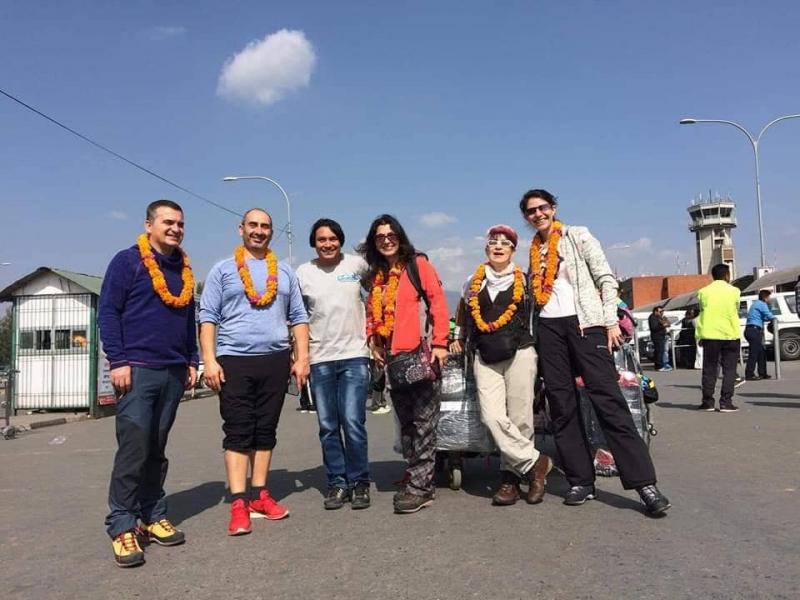
Why Trekking in Nepal? Exploring the Himalayas
30th Nov, 2024


Trekking in Nepal: Your Ultimate Guide for 2026/2027
3rd Dec, 2024

Trekking in Nepal: The Ultimate Guide for 2026 and 2027
7th Dec, 2024


Viaggio in Nepal: Alla Scoperta del Tetto del Mondo
13th Dec, 2024

Viaggio in Nepal: Una Guida Completa alla Terra degli Dei
13th Dec, 2024

Trekking in Nepal: A Guide for 2026-2027
19th Dec, 2024

Nepal: The Ultimate Destination for Trekking
19th Dec, 2024
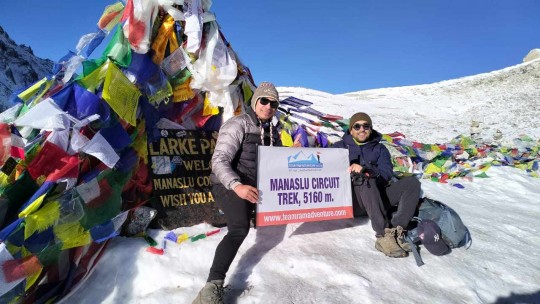
Short Manaslu Circuit Trek (10 Days)
20th Dec, 2024
Why Choose the Everest Three High Passes Trek
25th Dec, 2024

Trekking in Nepal: A Journey of Adventure and Serenity
26th Dec, 2024
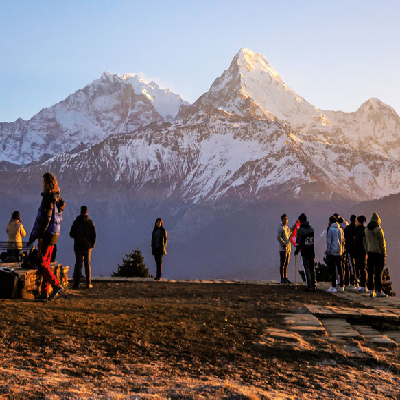
Best Trekking Routes in Nepal: A Paradise for Adventurers
26th Dec, 2024
Top Trekking Destinations in Nepal
29th Dec, 2024

Viaggio Nepal: Scopri le Meraviglie del Paese delle Montagne
30th Dec, 2024

How Much Does the Everest Base Camp Trek Cost in 2026/2027?
31st Dec, 2024


Best Time for Trekking in Nepal: A Comprehensive Guide
2nd Jan, 2025

Trekking in Nepal:Top 20 Treks Guide
5th Jan, 2025

Annapurna Base Camp Trek Itinerary And Cost
13th Jan, 2025

Solo vs Guided Trek to Annapurna Base Camp
13th Jan, 2025

Nepal Peak Climbing 101: Tips, Routes, and Adventures
18th Jan, 2025


Trekking in Nepal: Everything You Need to Know
25th Jan, 2025
The Best Trekking Routes in Nepal
25th Jan, 2025

Annapurna Base Camp ABC Trek from April 4-14- 2026
26th Jan, 2025

.jpg)

Everest Base Camp Trek: The Ultimate Adventure in Nepal
16th Feb, 2025

How to Prepare for Everest Base Camp Trek
16th Feb, 2025
Plan Your Everest Tour by Helicopter Ride
25th Feb, 2025


Everest Luxury Trek with Helicopter Return
13th Mar, 2025


.jpg)


.jpg)


Panchase Trek Nepal: Complete 5-Day Itinerary Guide
11th Mar, 2026
How Difficult Is the Trek to Everest Base Camp?
3rd Apr, 2026